OUR PROCESS
Our process is deliberately thorough. Designed for projects where depth, coordination and careful judgement add the greatest value.We do not believe in rushing through the early stages or leaving important decisions unresolved until site. Our process is especially suited to complex London residential projects, often in sensitive settings
-
Making sure the fit is right
Every project begins with a conversation. At this stage, our focus is on understanding you, the project you are considering, what you want to achieve, and whether we believe we are the right practice to help you achieve it.
We discuss the intended scope of works, your aspirations, priorities, expectations and the wider context surrounding the project.
Just as importantly, we consider whether there is a fit in terms of design approach, budget expectations and working relationship.
We are selective in the commissions we take on. That is intentional. We only take on projects where we believe our input can bring real value.
Value:
An early sense of direction, a clearer understanding of whether the project is viable with us, and honest guidance from the outset - whether that means moving forward together or helping point you in the right direction.

-
Building the right foundation
Before design begins in earnest, we establish the foundations of the project properly. This stage is about defining the brief in greater depth, clarifying priorities, identifying opportunities and constraints, and mapping out the right route forward.
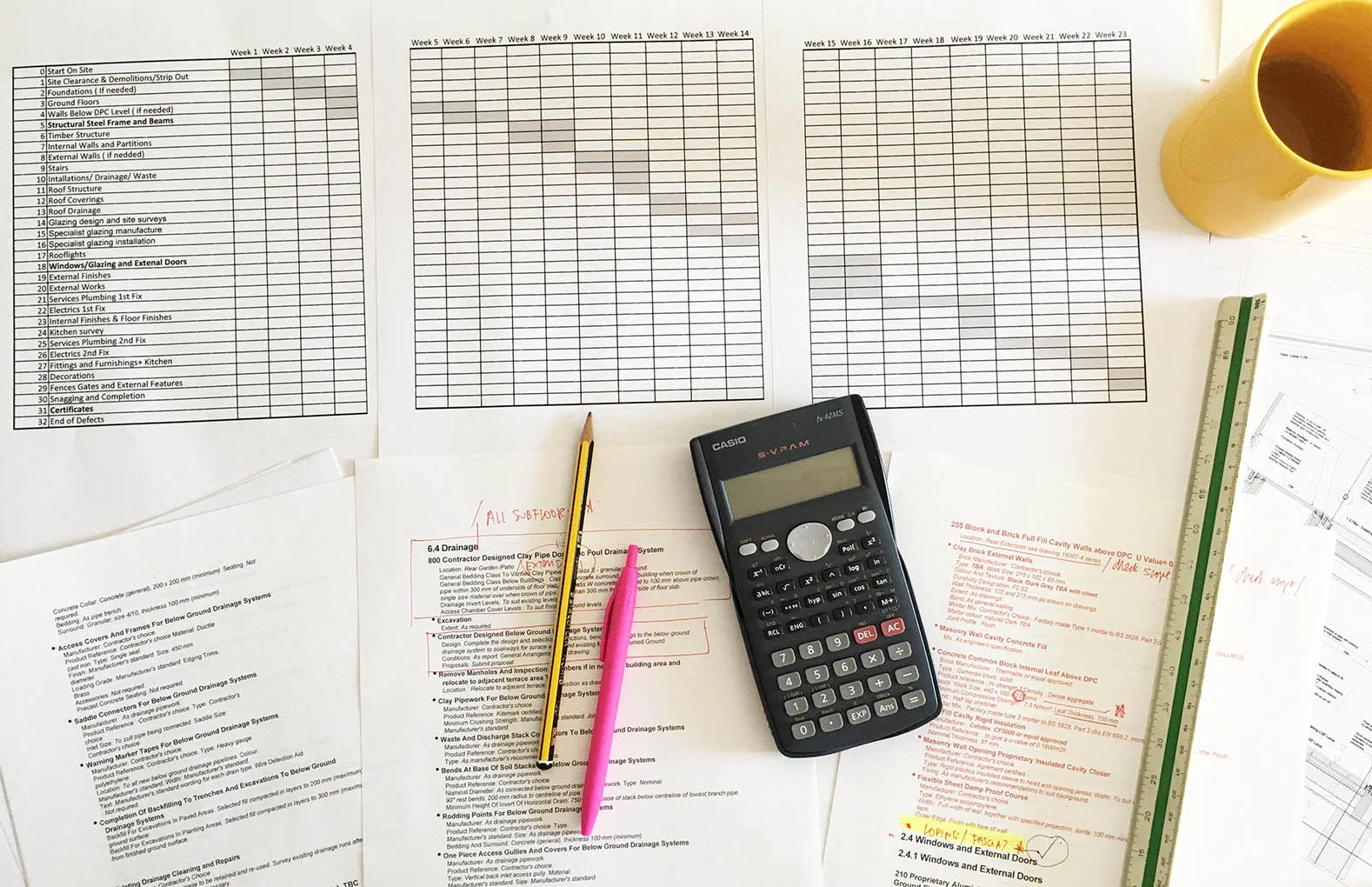
A key part of this stage is the preparation of an early budget plan. This is not a loose estimate, but a structured cost overview that considers the wider financial picture of the project: likely construction costs, consultant fees, statutory costs, contingencies, and areas of potential risk that need to be anticipated early in order to mitigate problems later.
At this stage, we also prepare a clear and transparent proposal for our services and fees, with a detailed breakdown of the stages, deliverables and scope of involvement.
We also discuss likely programme, possible procurement routes, and the most sensible path from concept to delivery. Once everything is clearly understood and aligned, we formalise our appointment and begin design work.
Value:
A realistic project framework, clearer financial visibility, early identification of risk, and a transparent understanding of what is involved before design work progresses.

-
Unlocking the full potential of the project
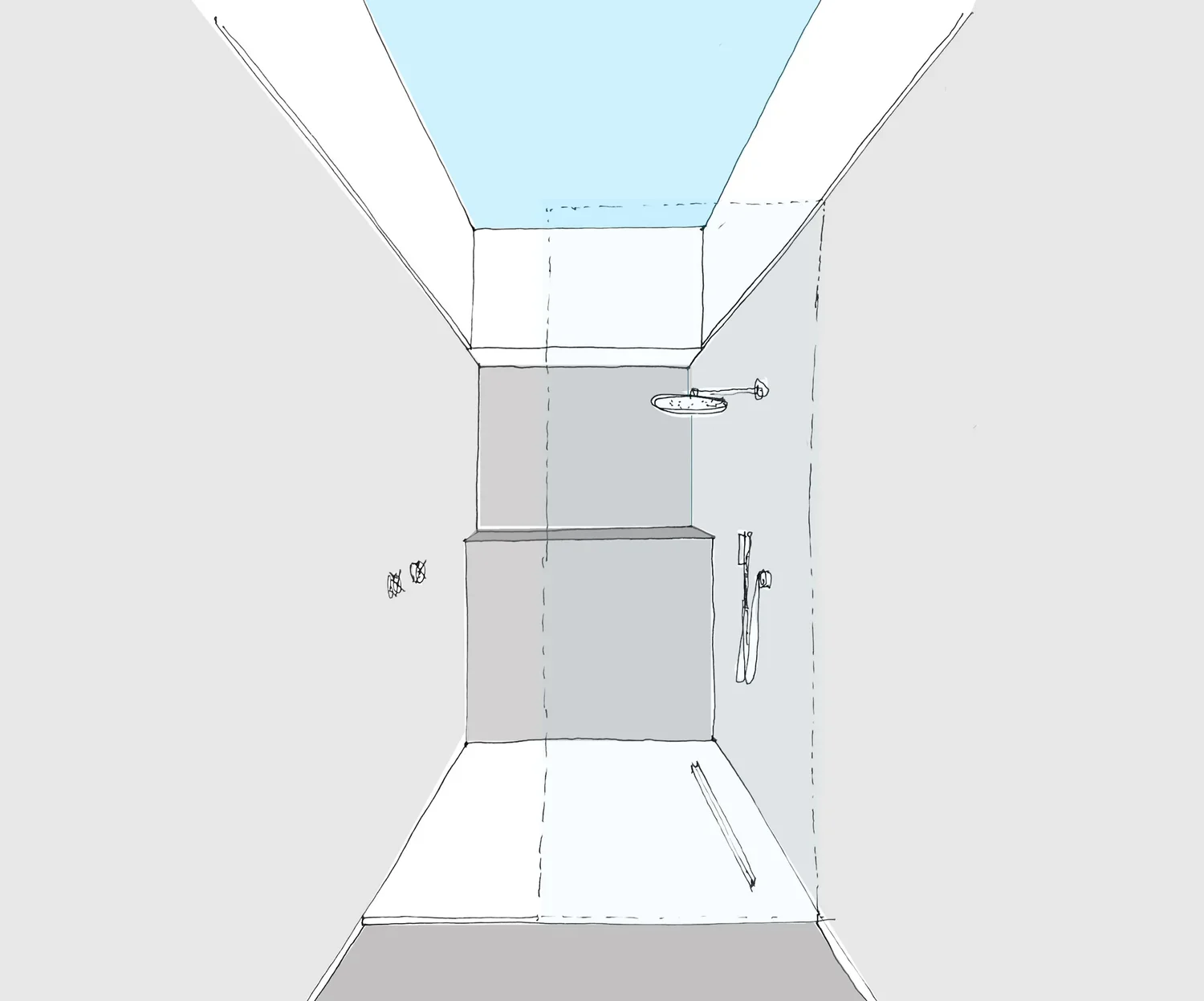
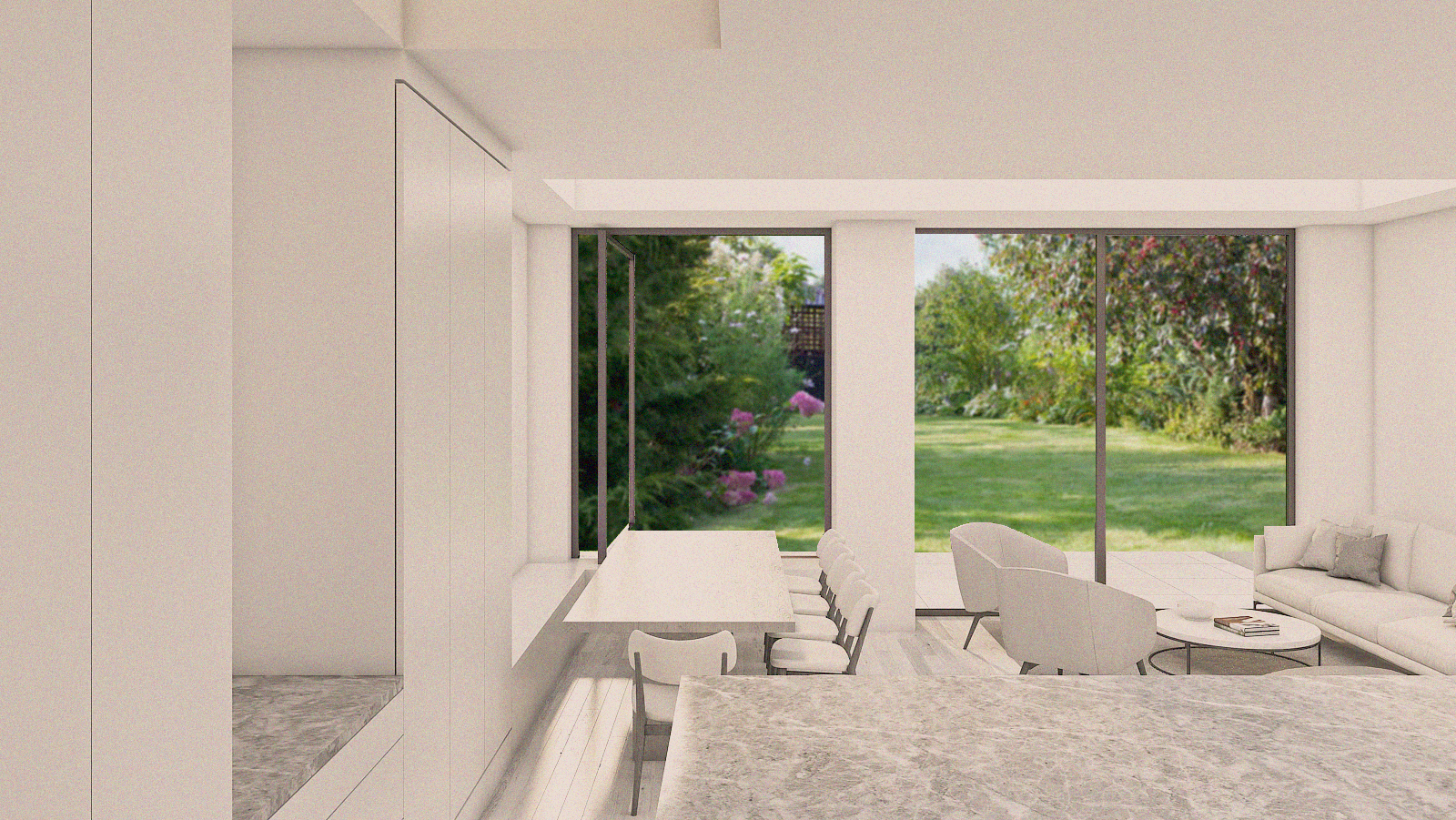
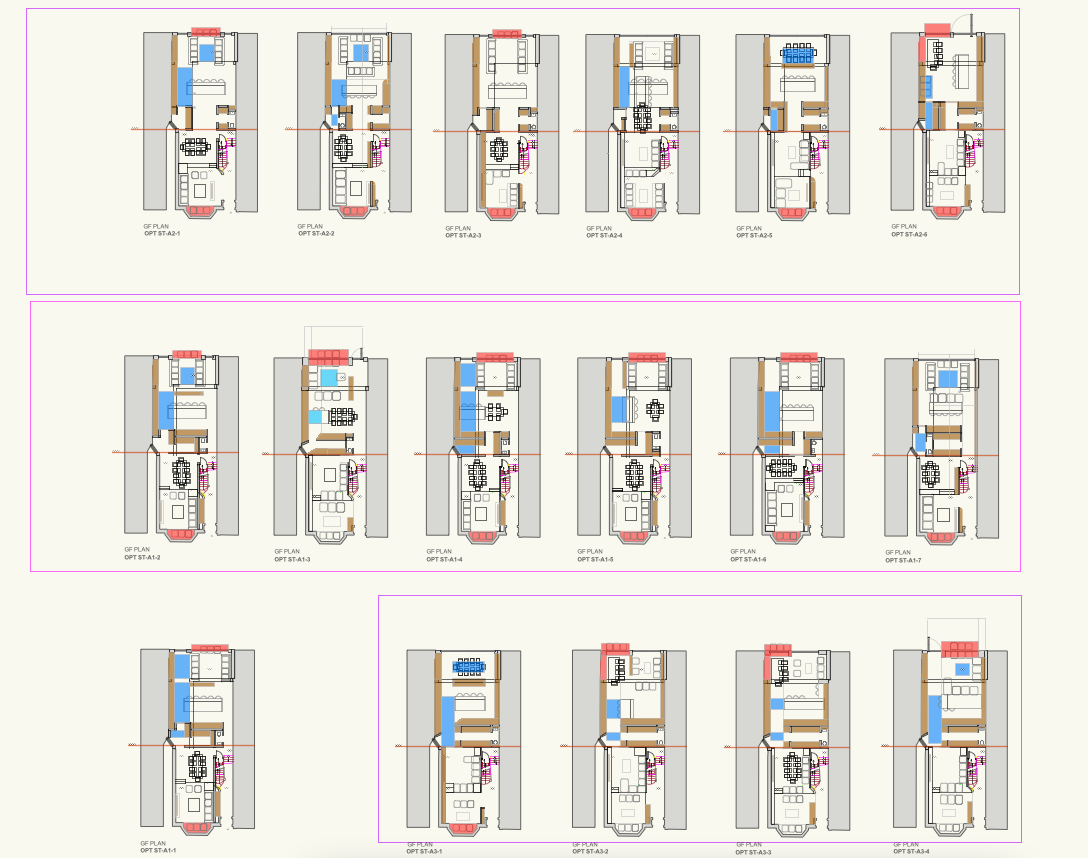
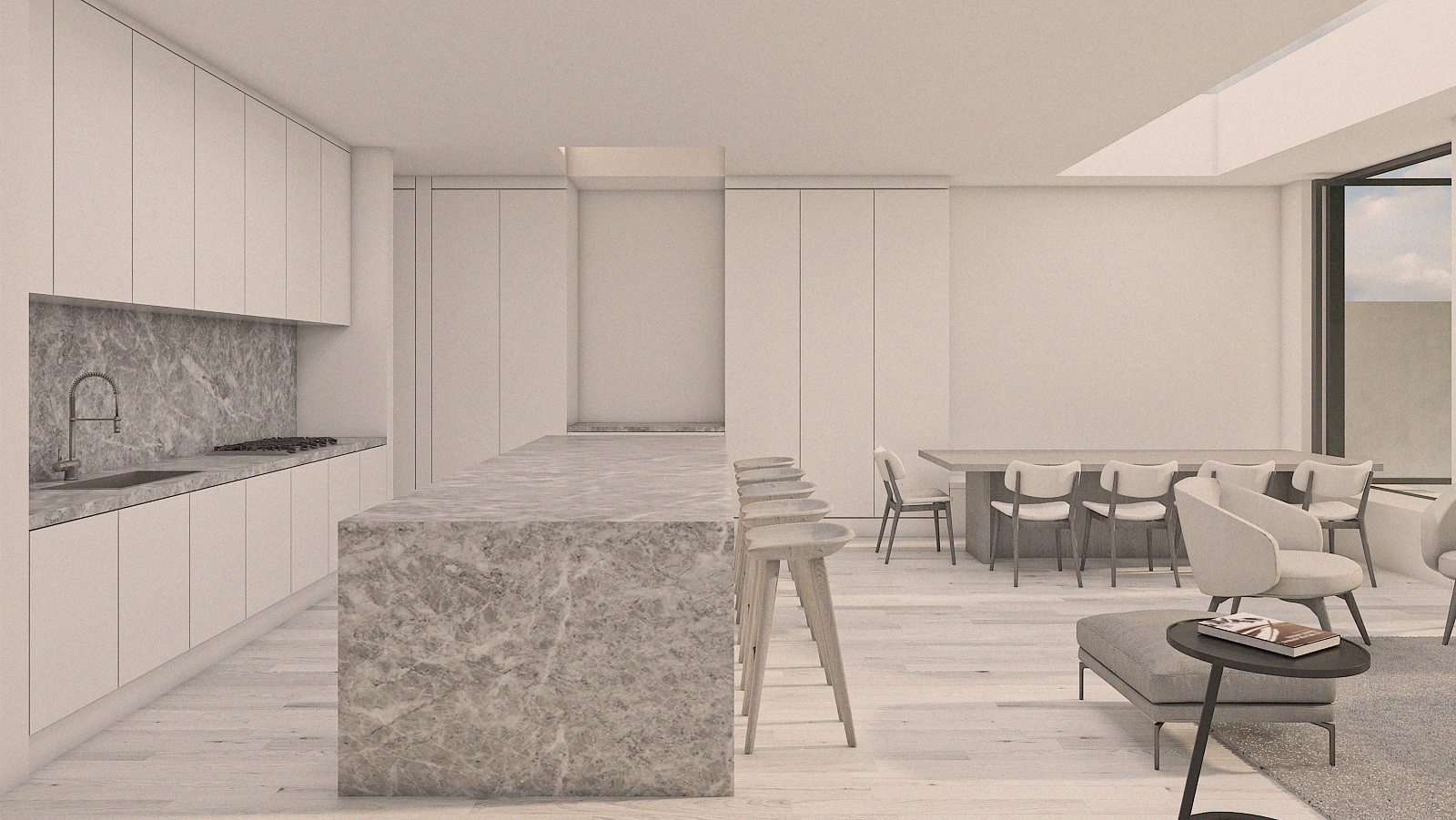
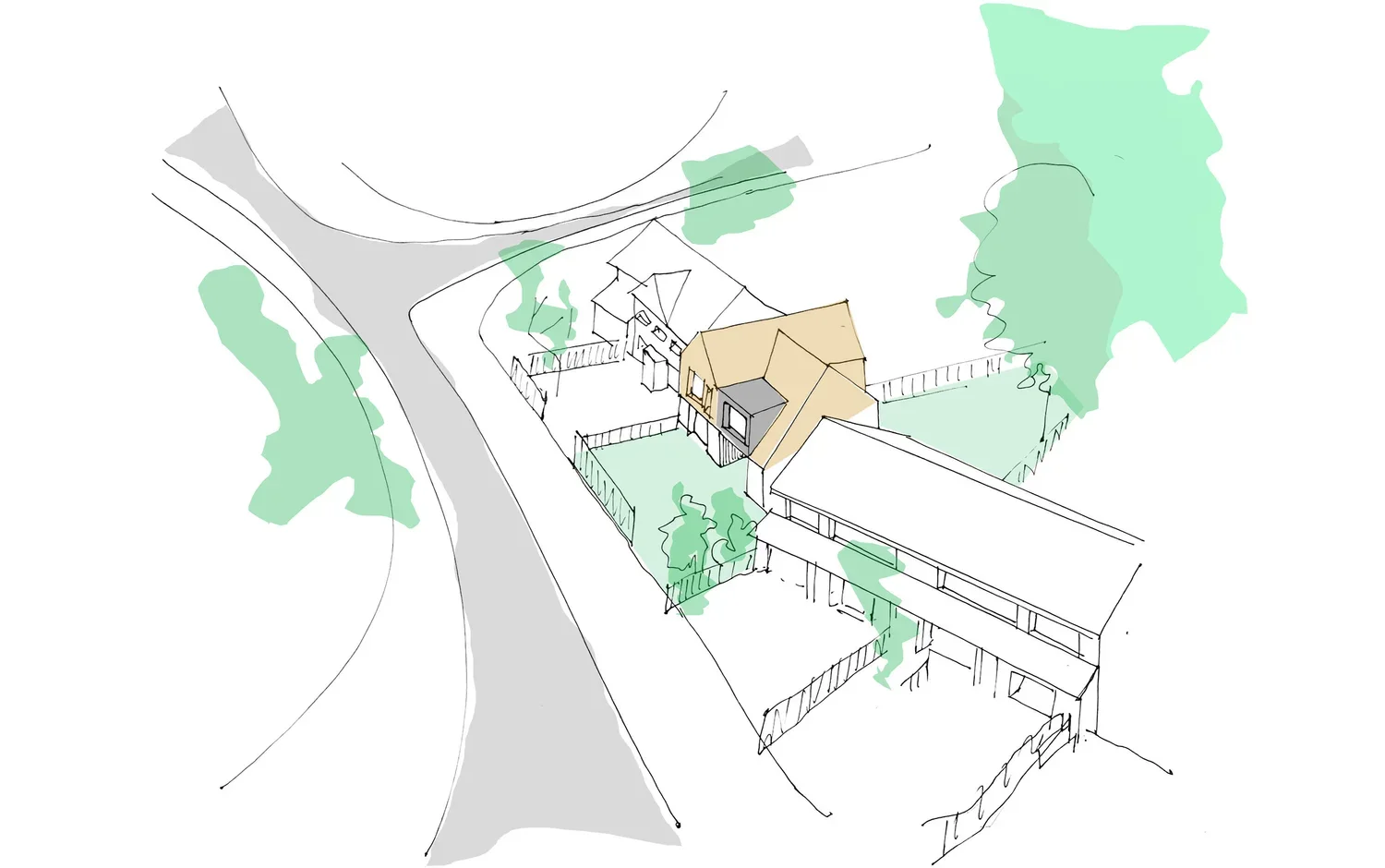
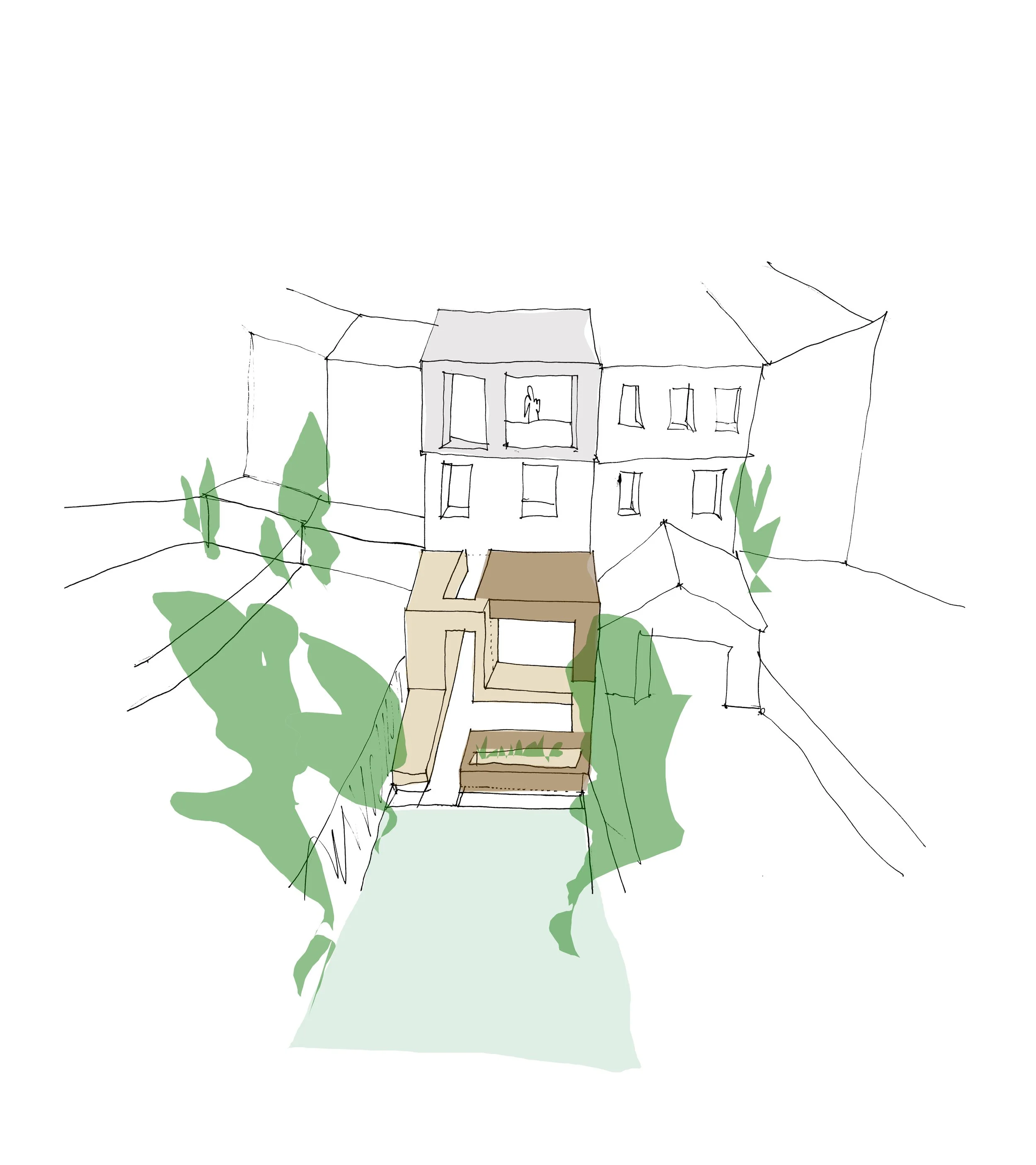
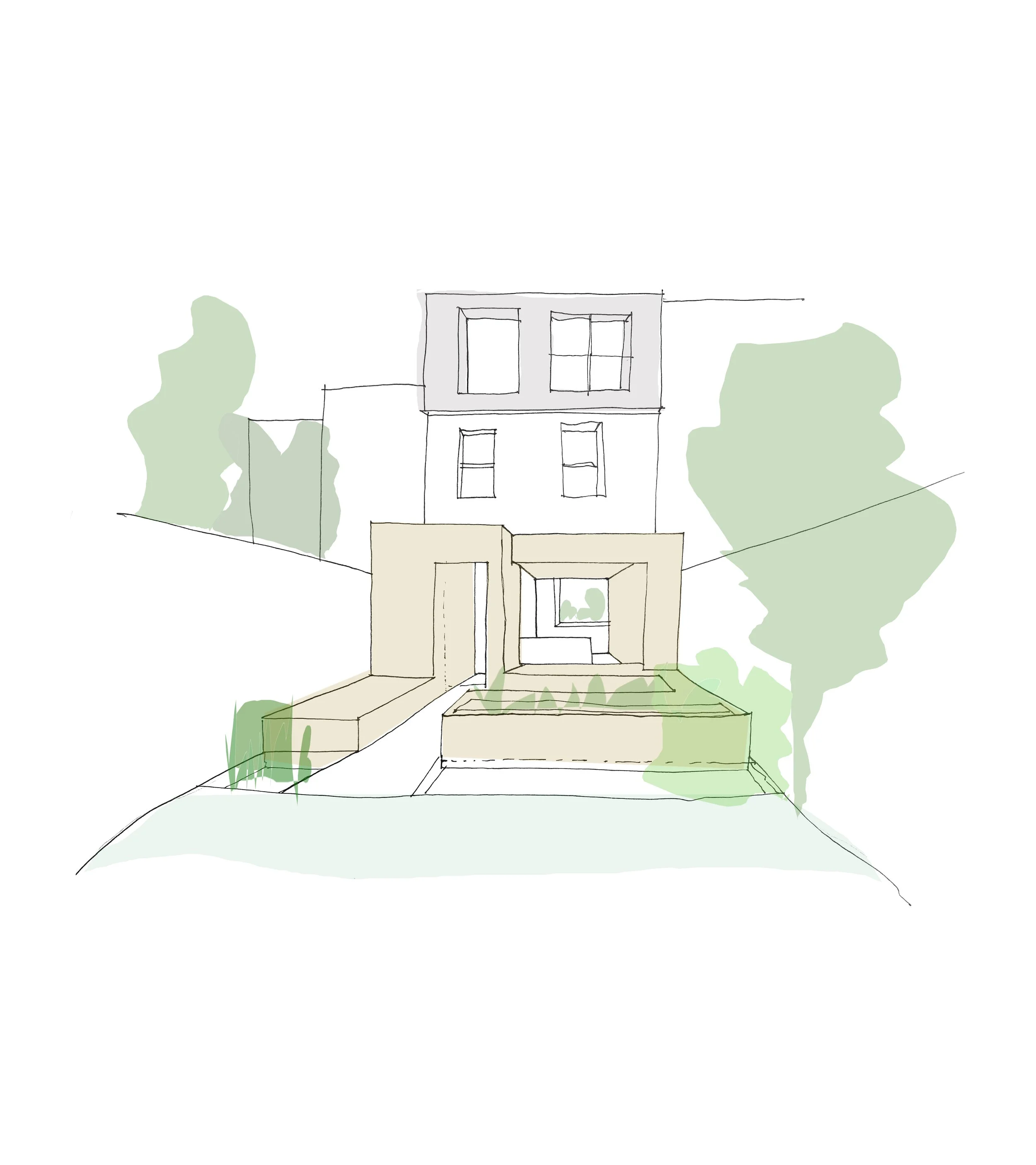
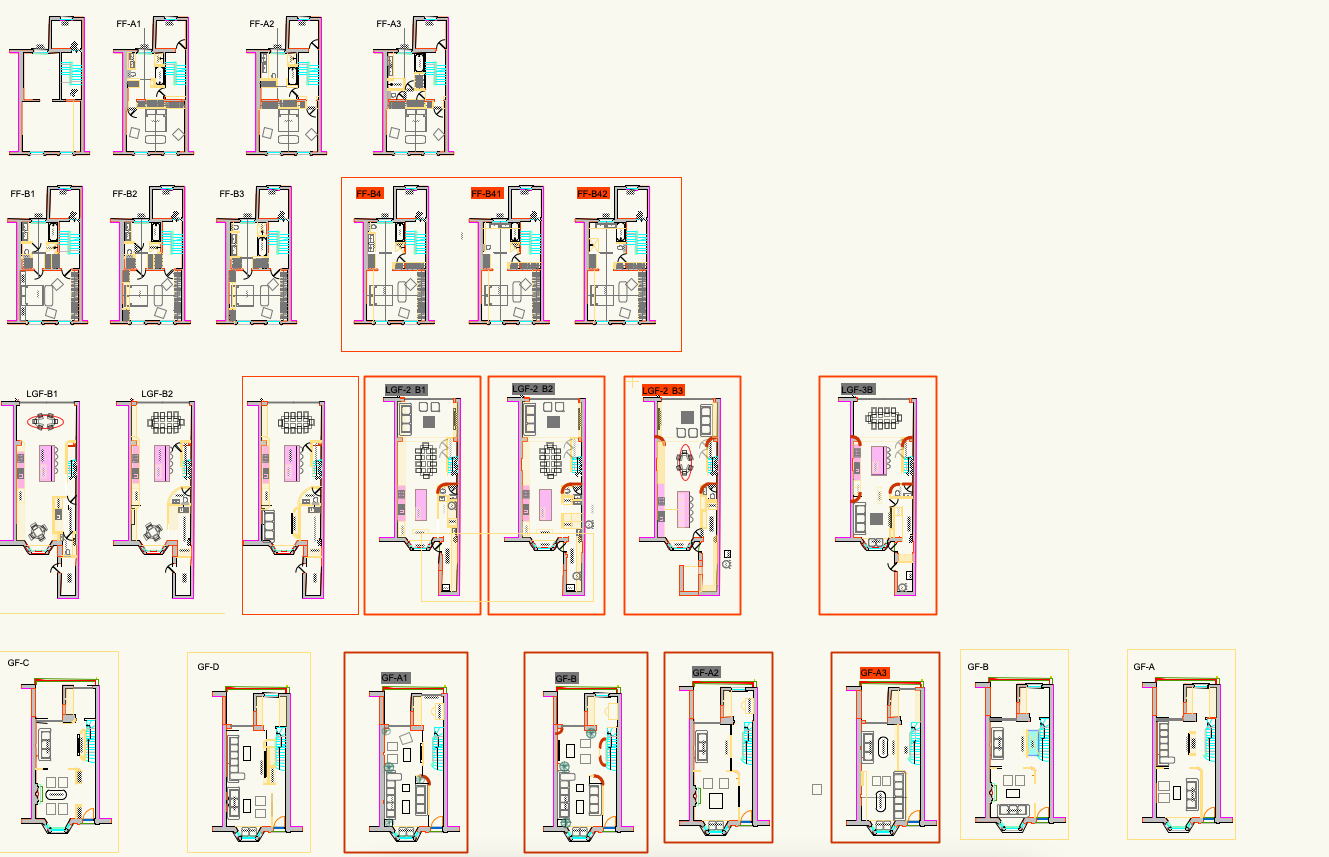
This is where the real design work begins. We coordinate the key surveys and baseline information needed to understand the existing conditions properly, such as the measured survey and, where relevant, a CCTV drain survey, and we begin testing the full range of possibilities available to the project.
This stage is not about jumping too quickly to one answer. It is about exploring options properly. Within the client’s brief, lifestyle requirements, budget and agreed design direction, we study different approaches and produce multiple iterations to test what the project can really offer.
This is one of the most important stages in our process, and one in which we invest significant time. We often find that the best solution is not the most obvious one at the outset.
It is often at this stage that clients begin to see the value of a more bespoke architectural process.
Value:
A stronger overall design approach, better-informed decisions, and the confidence that the chosen route has been tested rather than assumed.
-
Defining the clearest route to consent
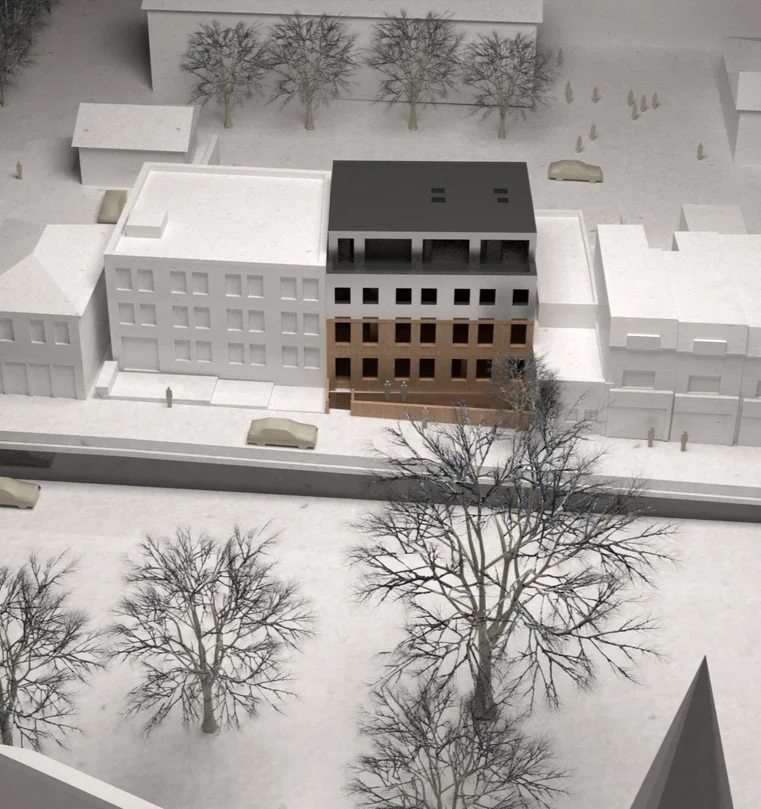
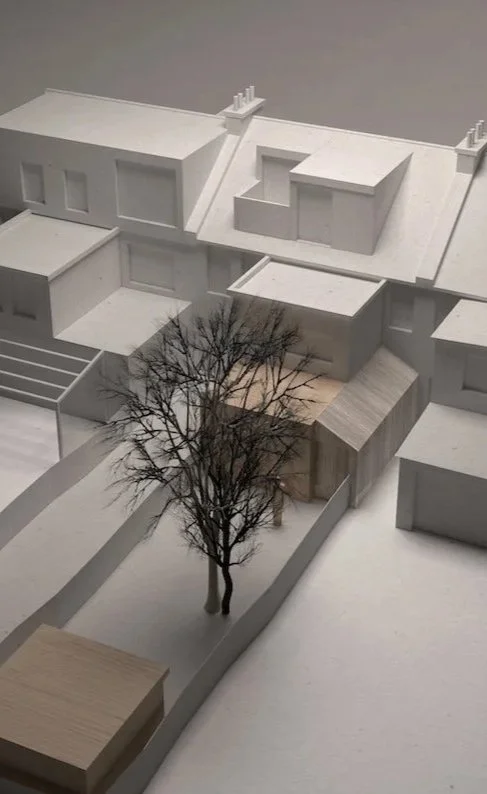
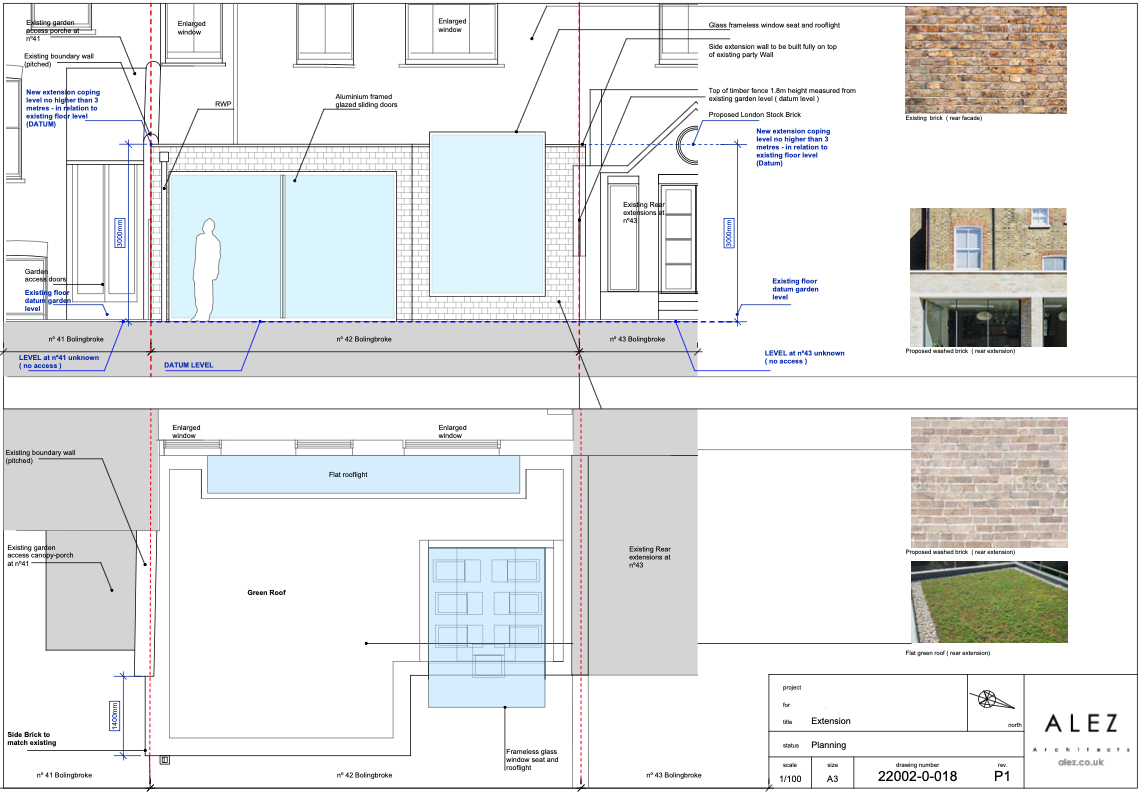
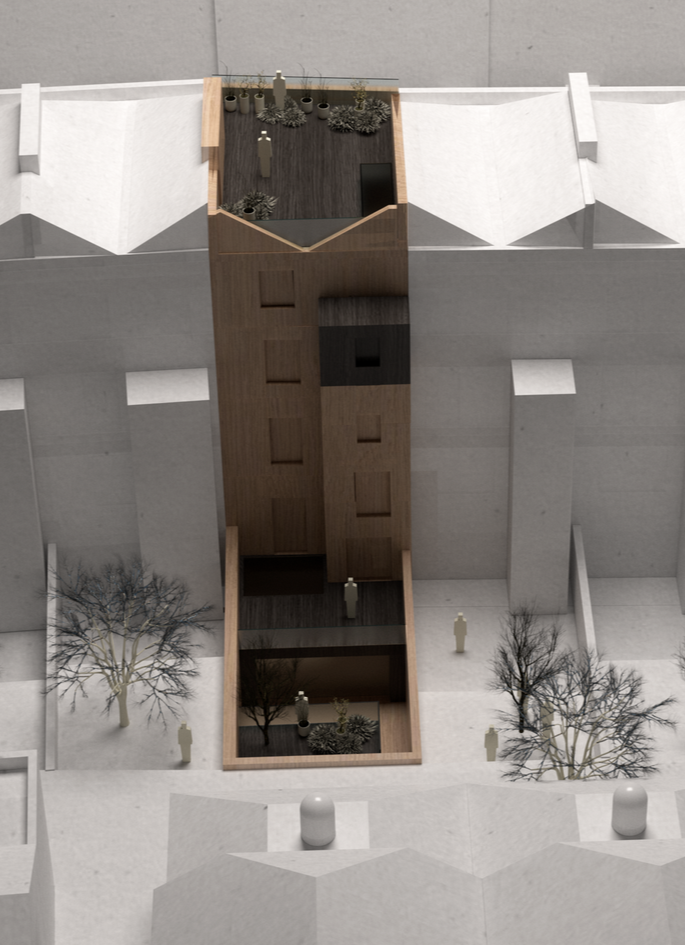
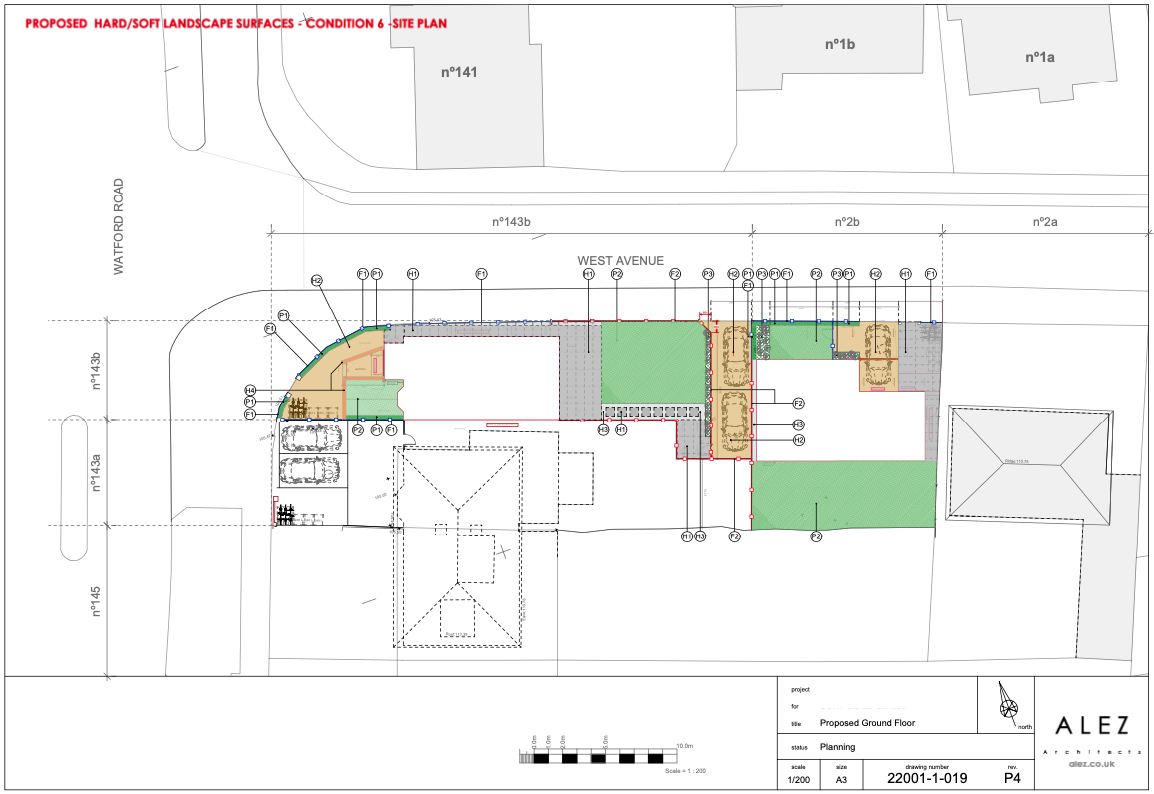
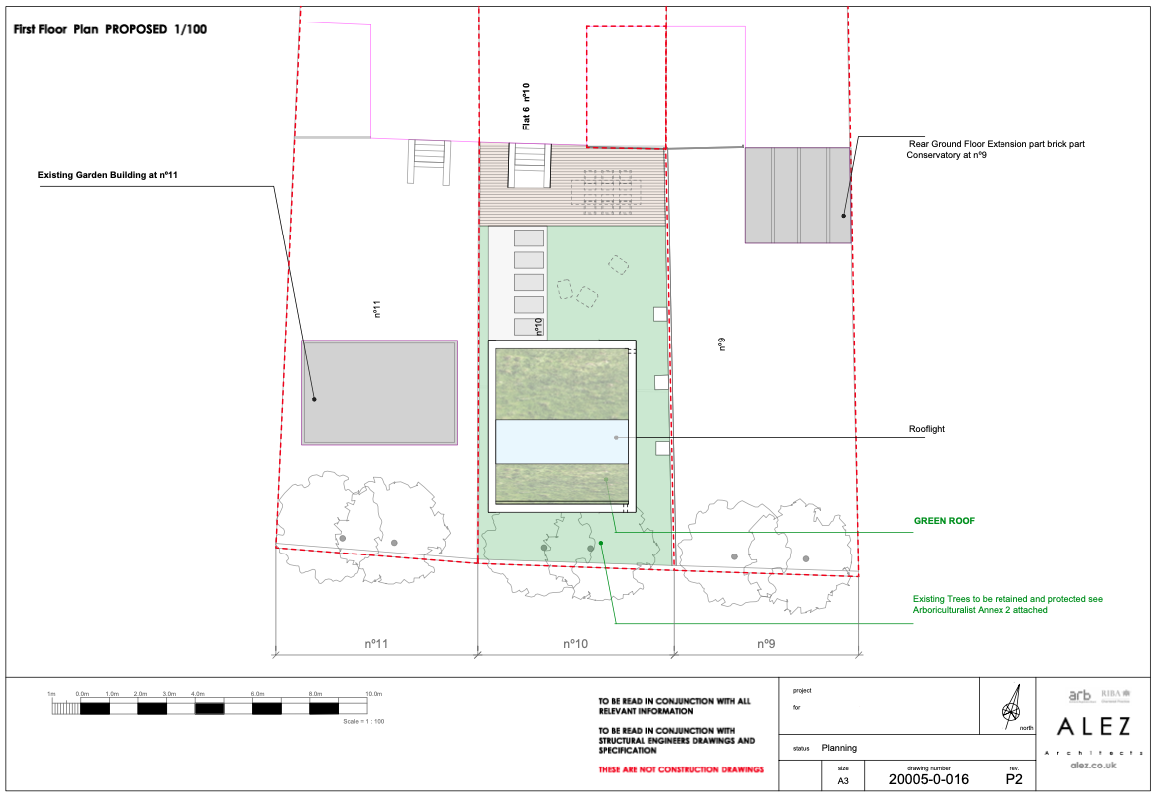
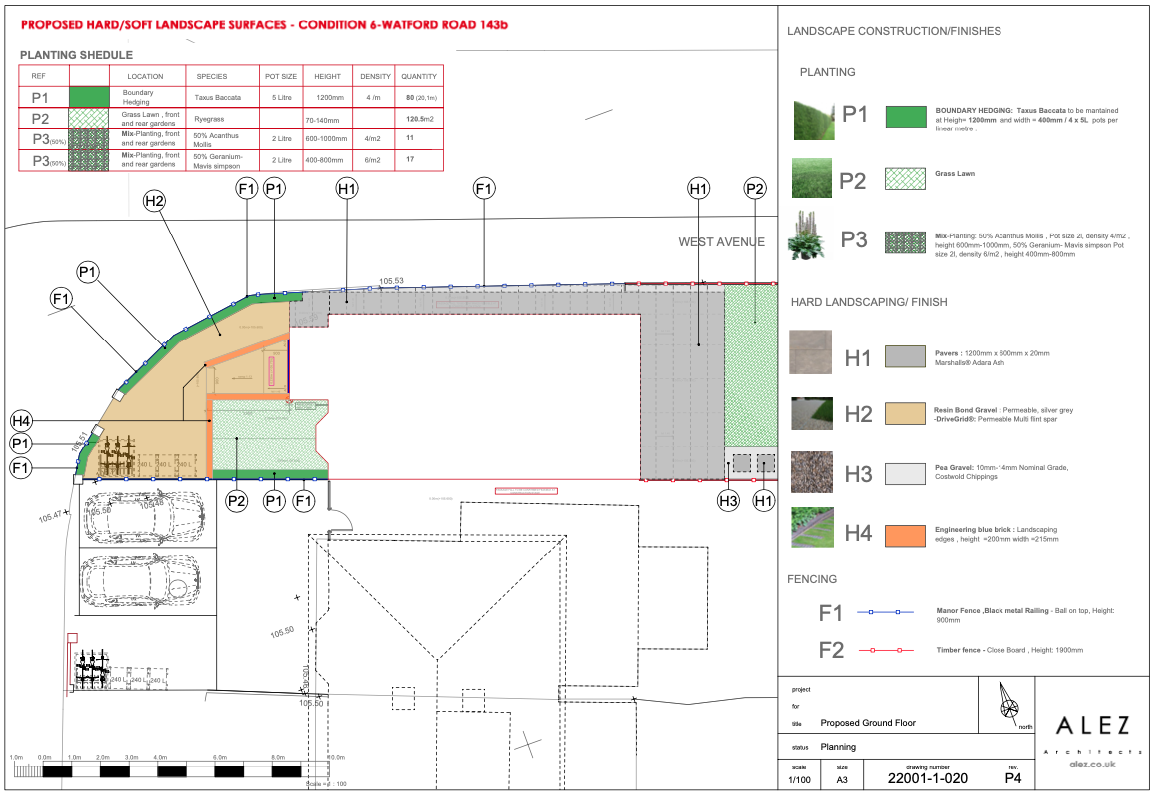
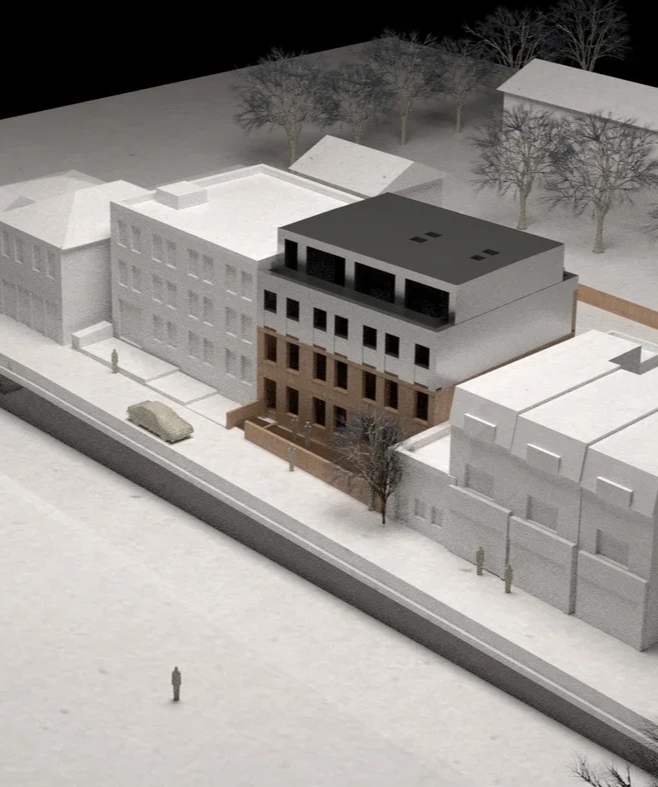
Planning in London - particularly in conservation areas and other sensitive contexts - is rarely just a matter of producing a drawing package and submitting it. It requires strategy, engagement with the council, judgement and a clear understanding of what is most likely to succeed in a particular setting.
Depending on the complexity of the project, this may involve an initial pre-application consultation and engagement with the local authority, followed by a full planning submission once feedback has been reviewed and the proposal refined accordingly.
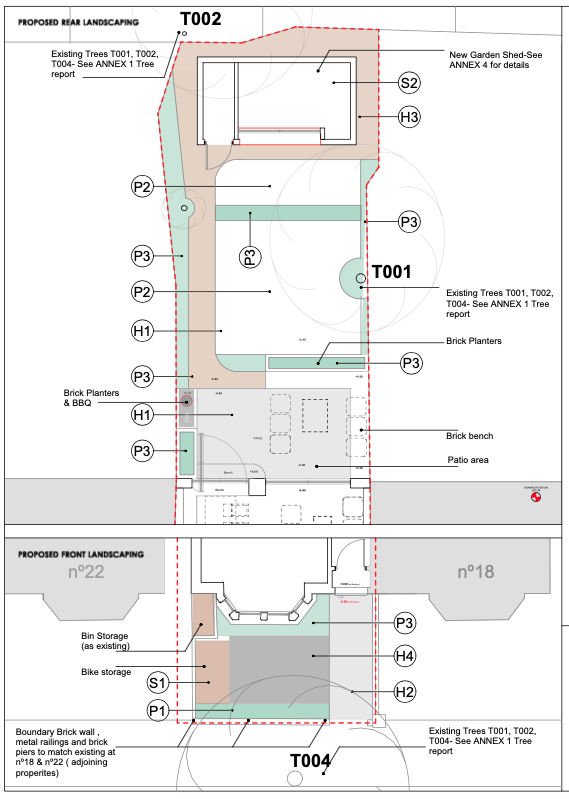
We prepare the architectural planning package and coordinate any specialist input needed to support the application. Depending on the property, borough and level of sensitivity, this may include coordination with consultants such as energy assessors, tree surveyors, daylight and sunlight specialists, acoustic consultants, or party wall surveyors where relevant to the wider strategy.
This stage can involve a substantial amount of coordination, analysis and adjustment. A well-prepared planning package is not simply a set of drawings; it is a carefully assembled case for why the proposal should be supported.
Value:
A planning approach built on strategy rather than assumption, stronger foundations for technical development, and a proposal that is better positioned for approval in its specific context.
-
Establishing the compliance and technical foundations
Once planning consent has been secured - and in some cases while the application is still being processed - we begin the first layer of technical development.
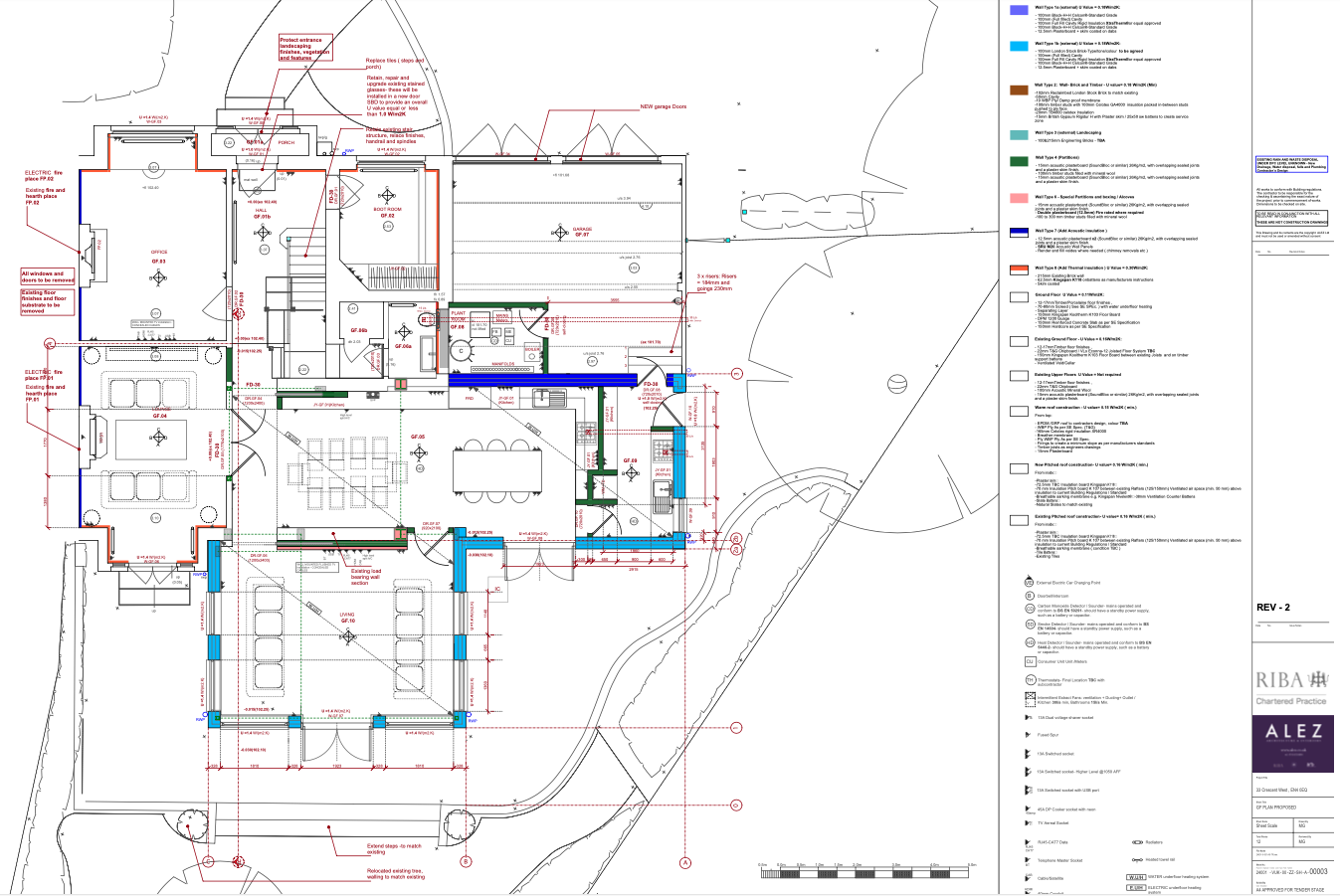
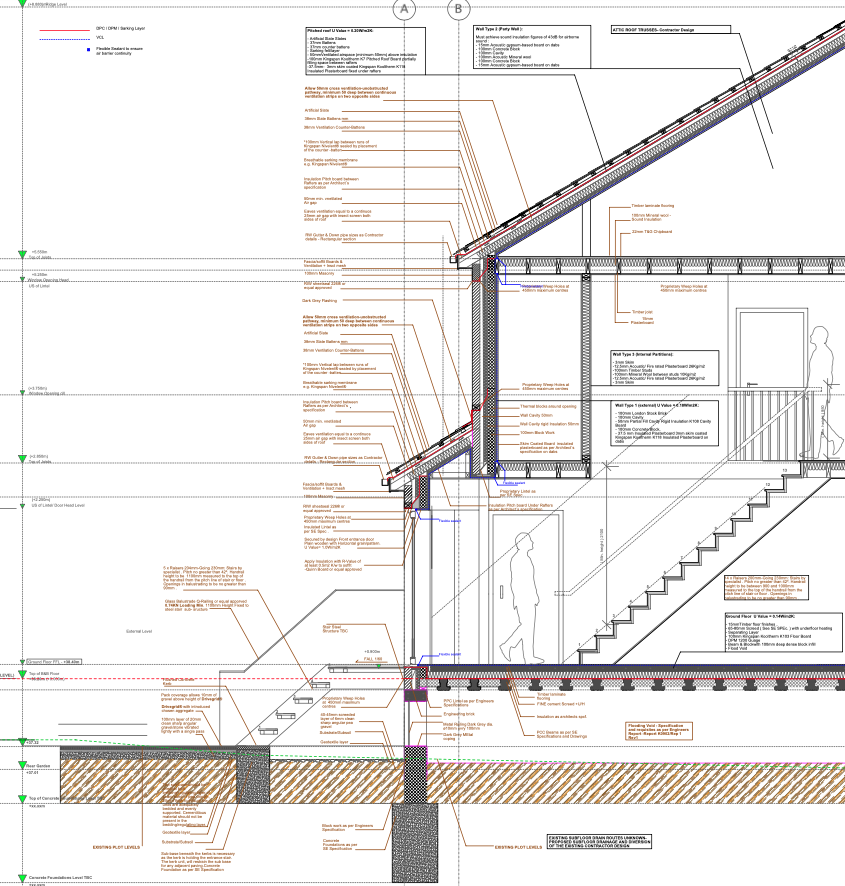
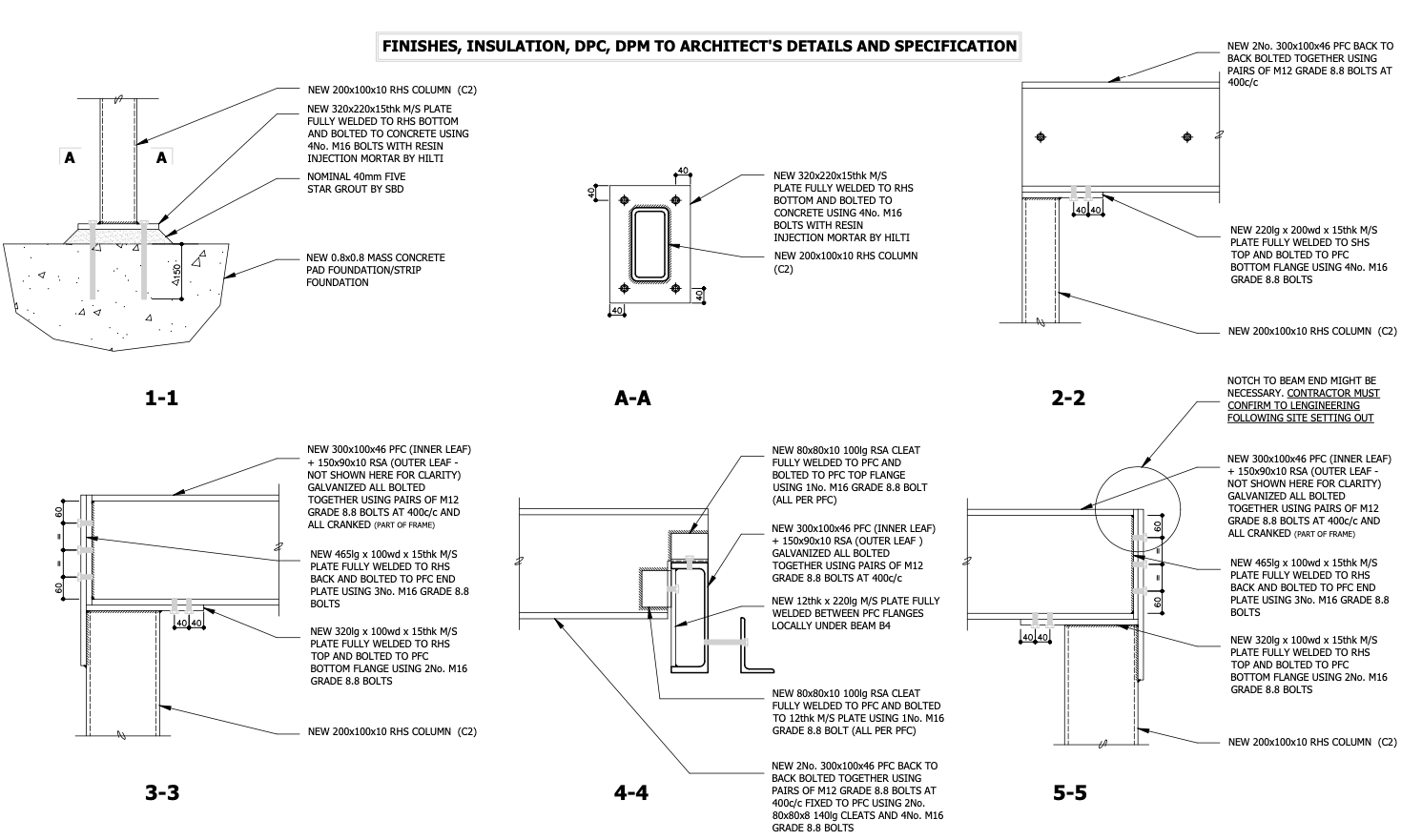
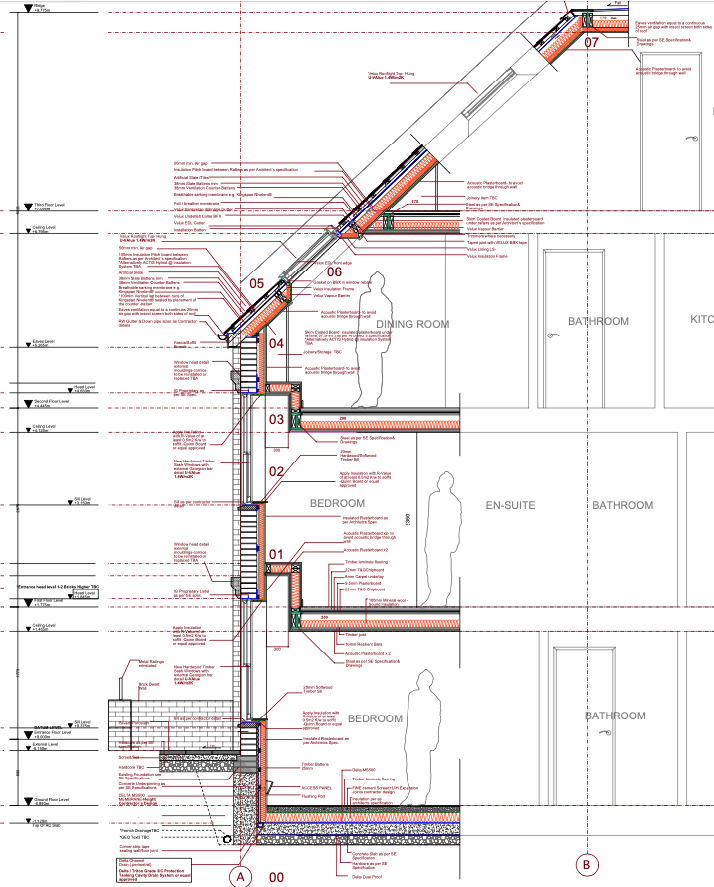
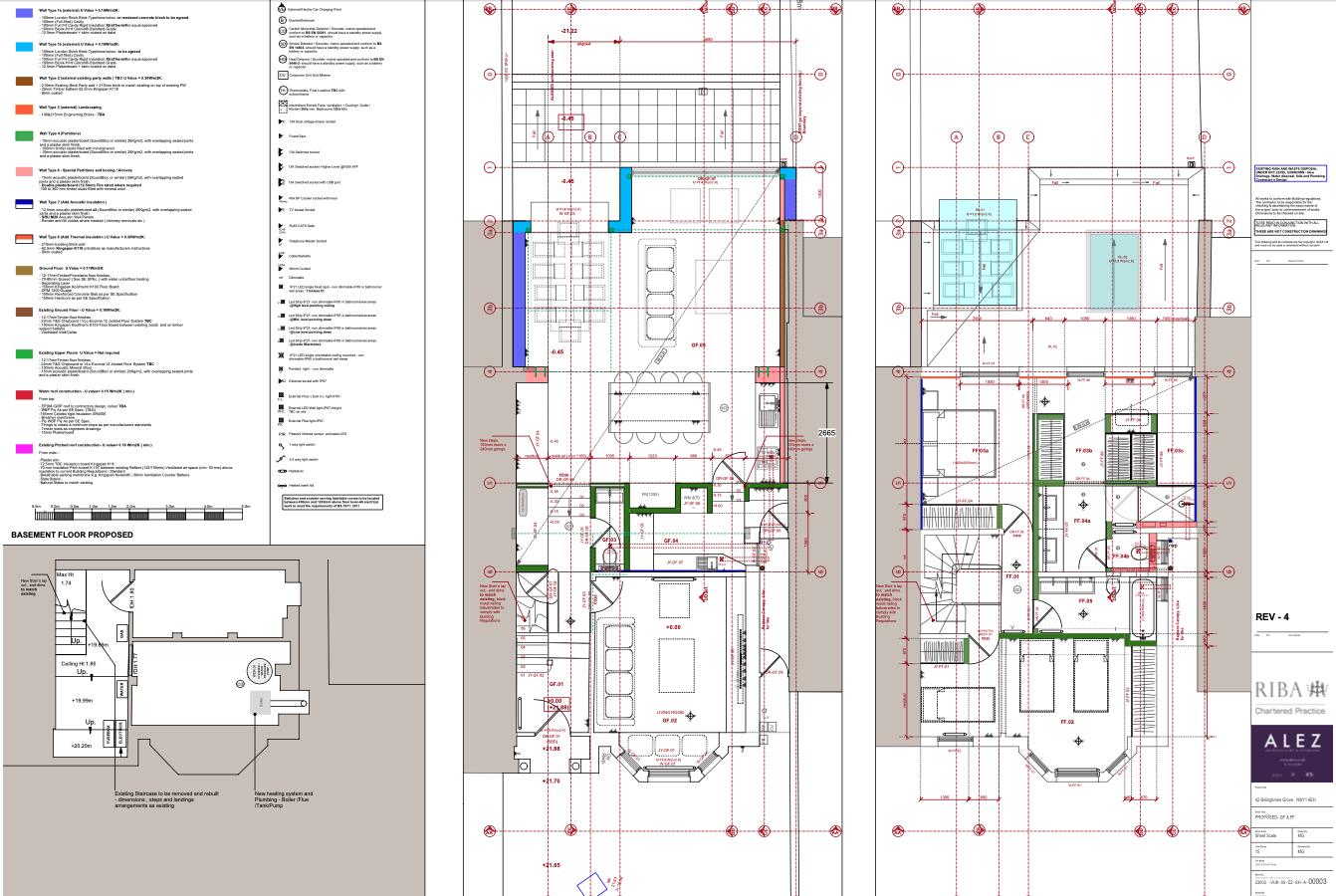
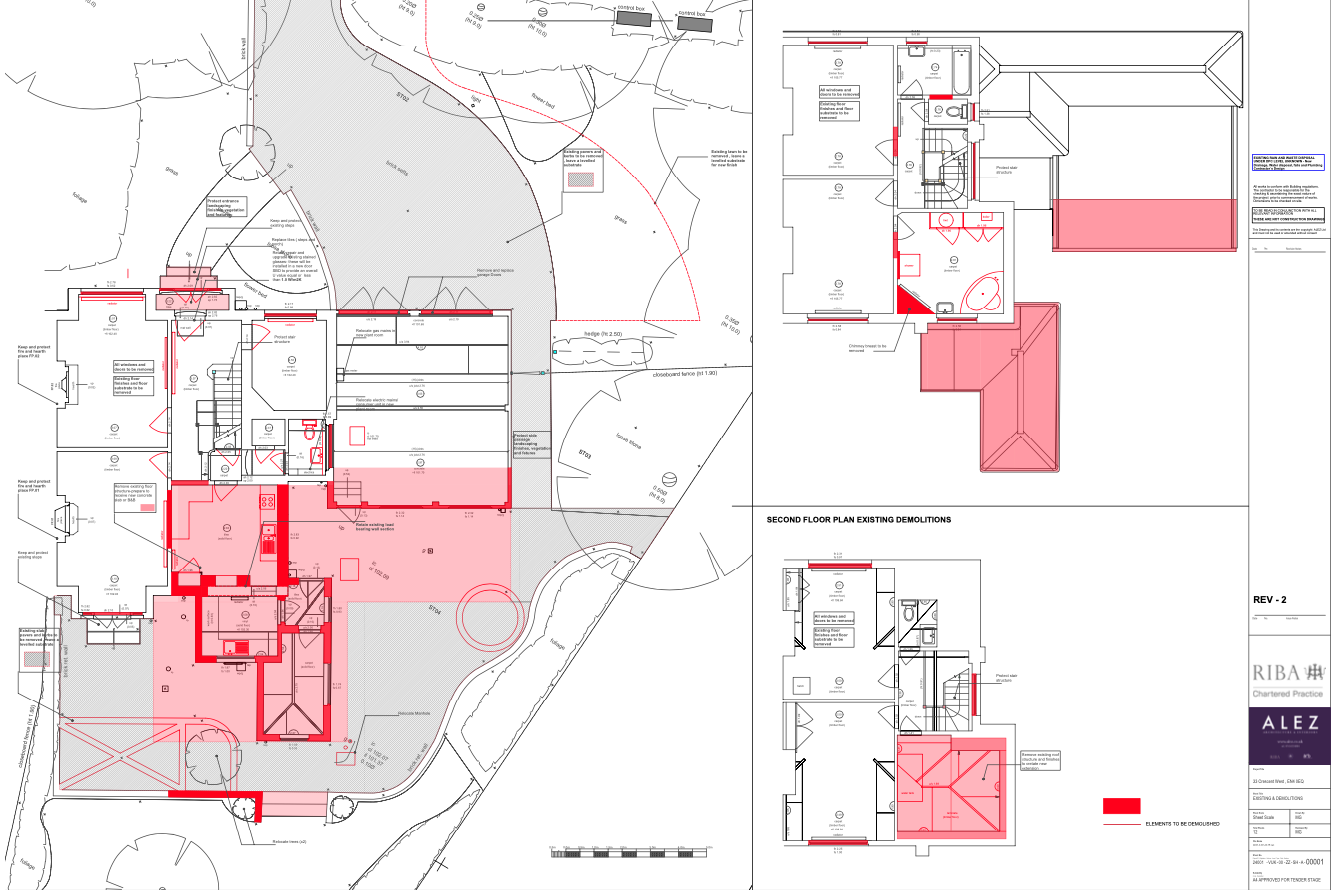
This stage focuses on preparing the information required to achieve Building Regulations conditional approval and to establish the project’s technical foundations. It includes the architectural drawings, specifications and technical coordination needed to demonstrate Building Regulations compliance.
This stage also involves the appointment, coordination and liaison with the core consultants required for this level of development, typically including the structural engineer and, where relevant, energy assessors, party wall surveyors, the building control body, and in certain cases additional specialists.
Some practices limit their service largely to this level because it is the minimum required to proceed. We see it as the first technical layer only - important, but not sufficient on its own for a fully resolved and high-quality project.
Value:
A coordinated technical and statutory base, proper consultant alignment, and a more robust foundation for the next stages of design, pricing and construction.
-
Developing the detail that defines build and design quality
The second technical layer takes the project significantly further.
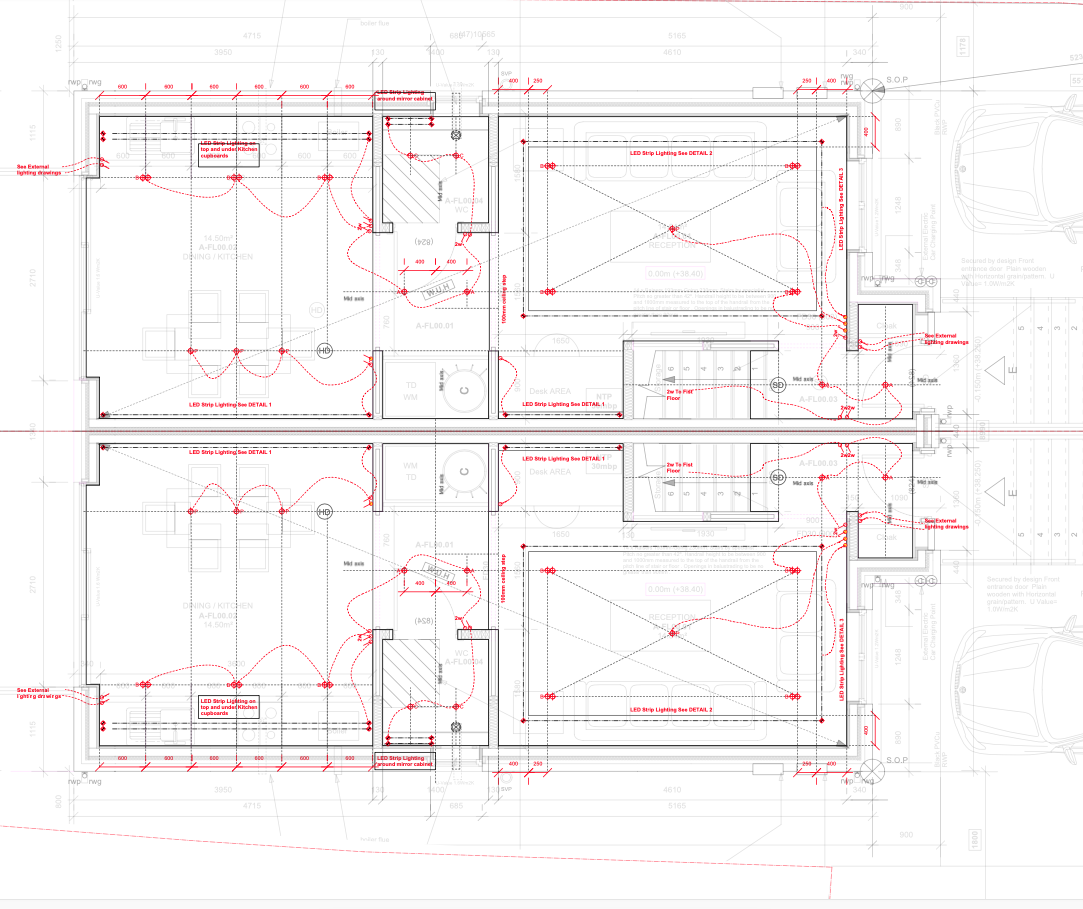
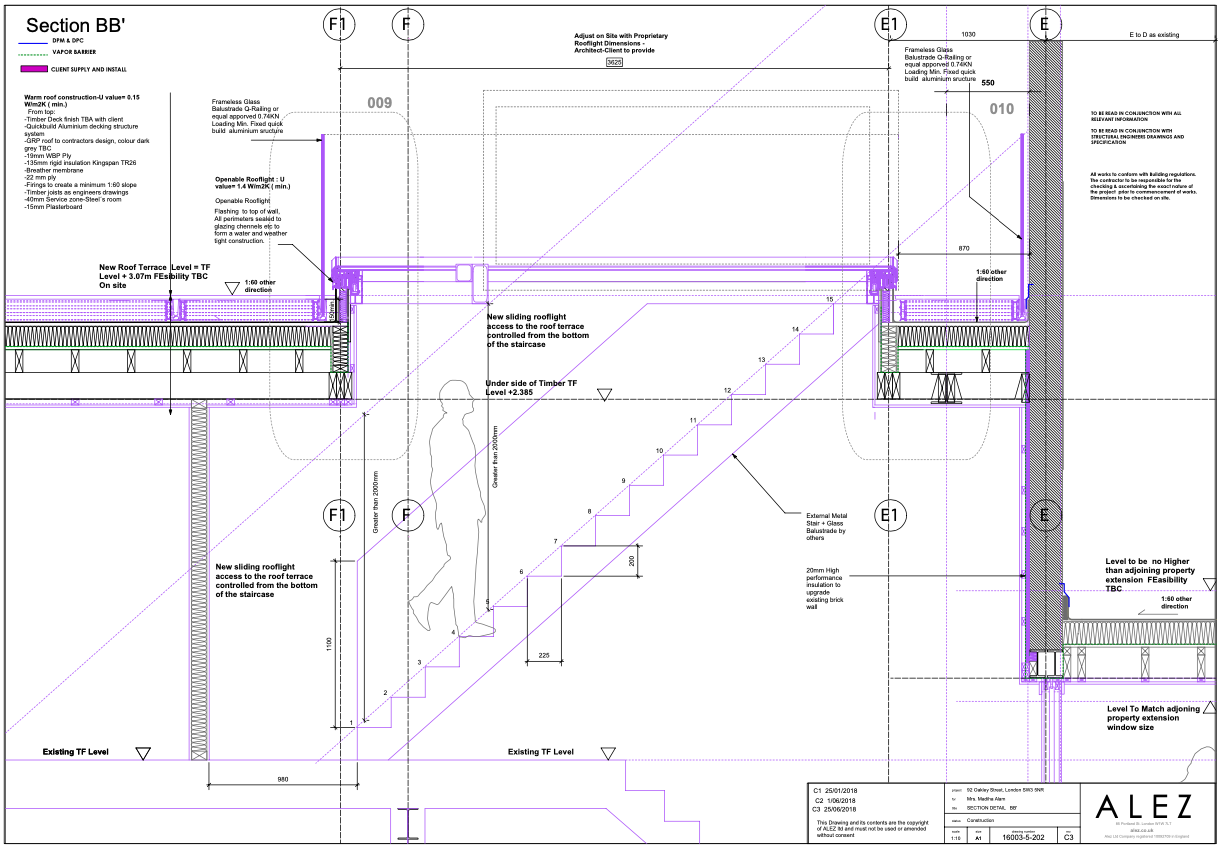
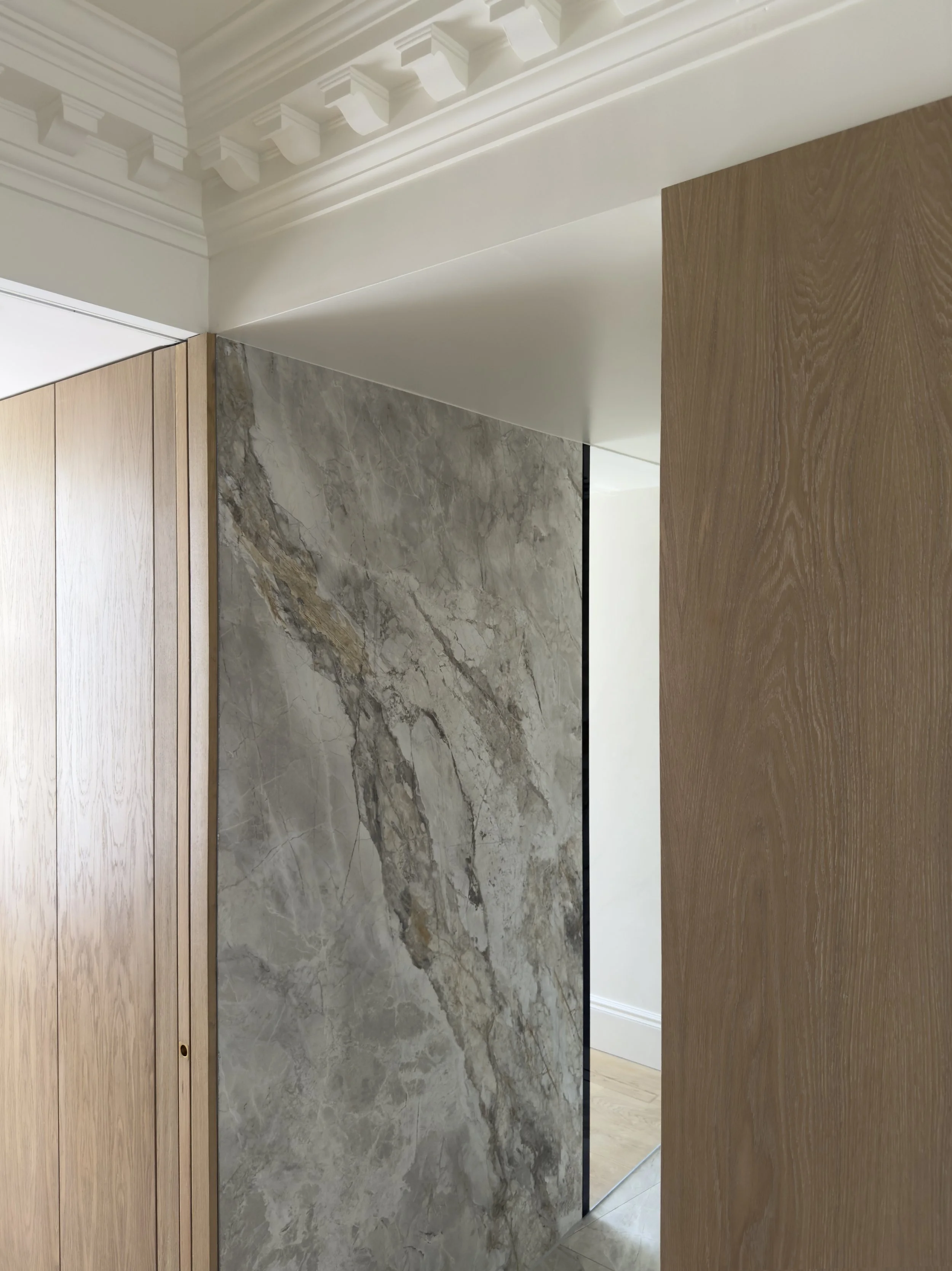
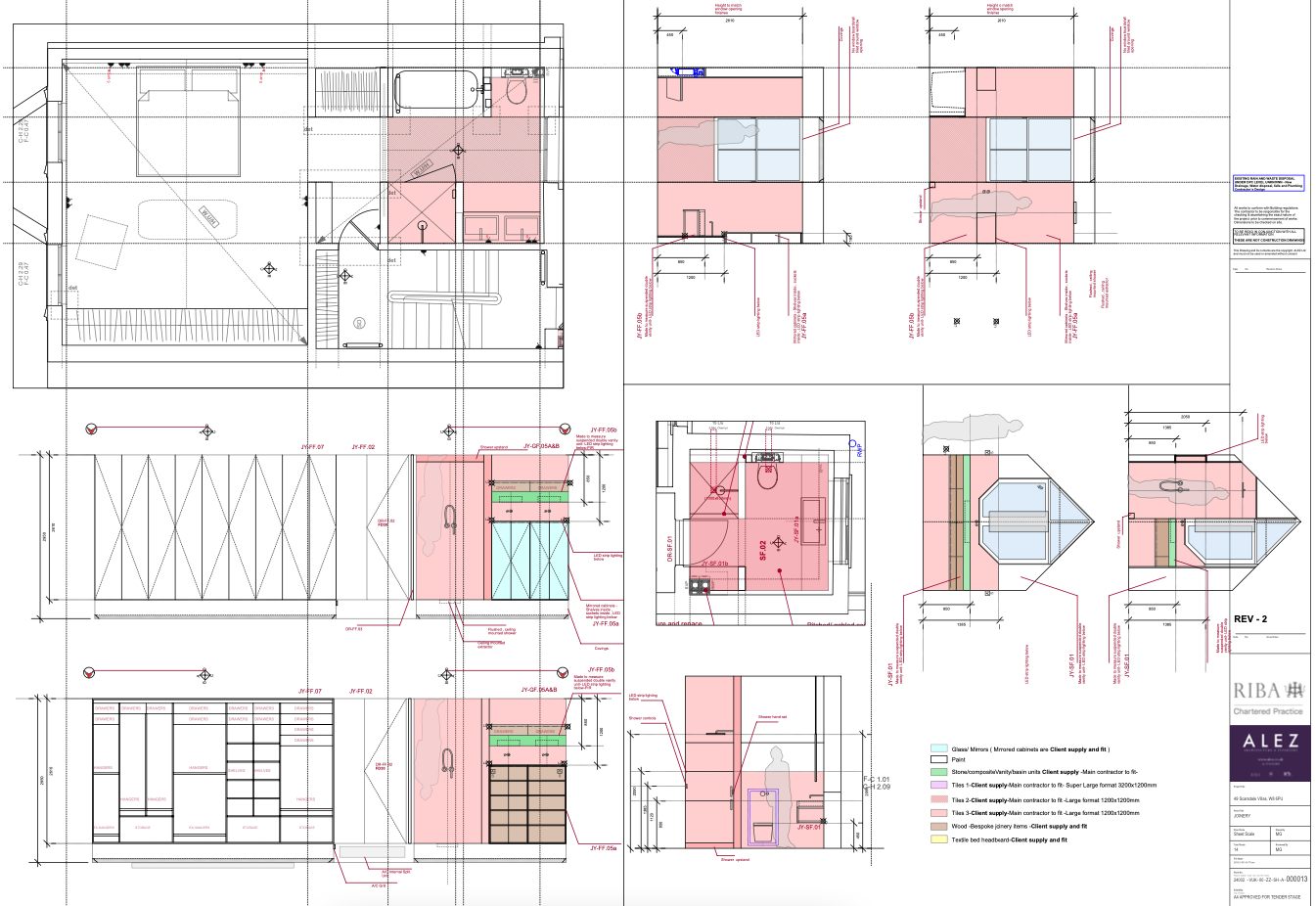
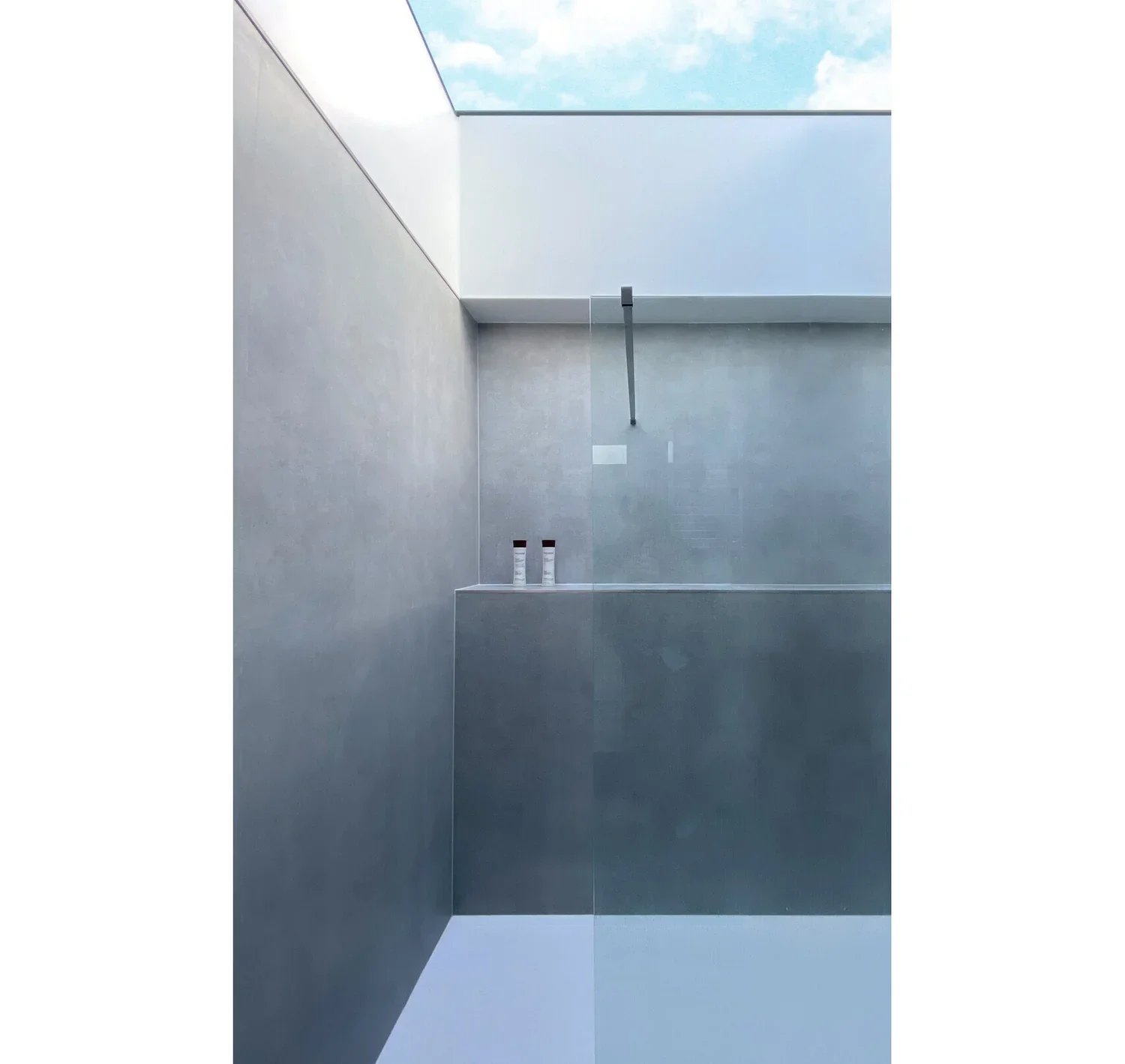
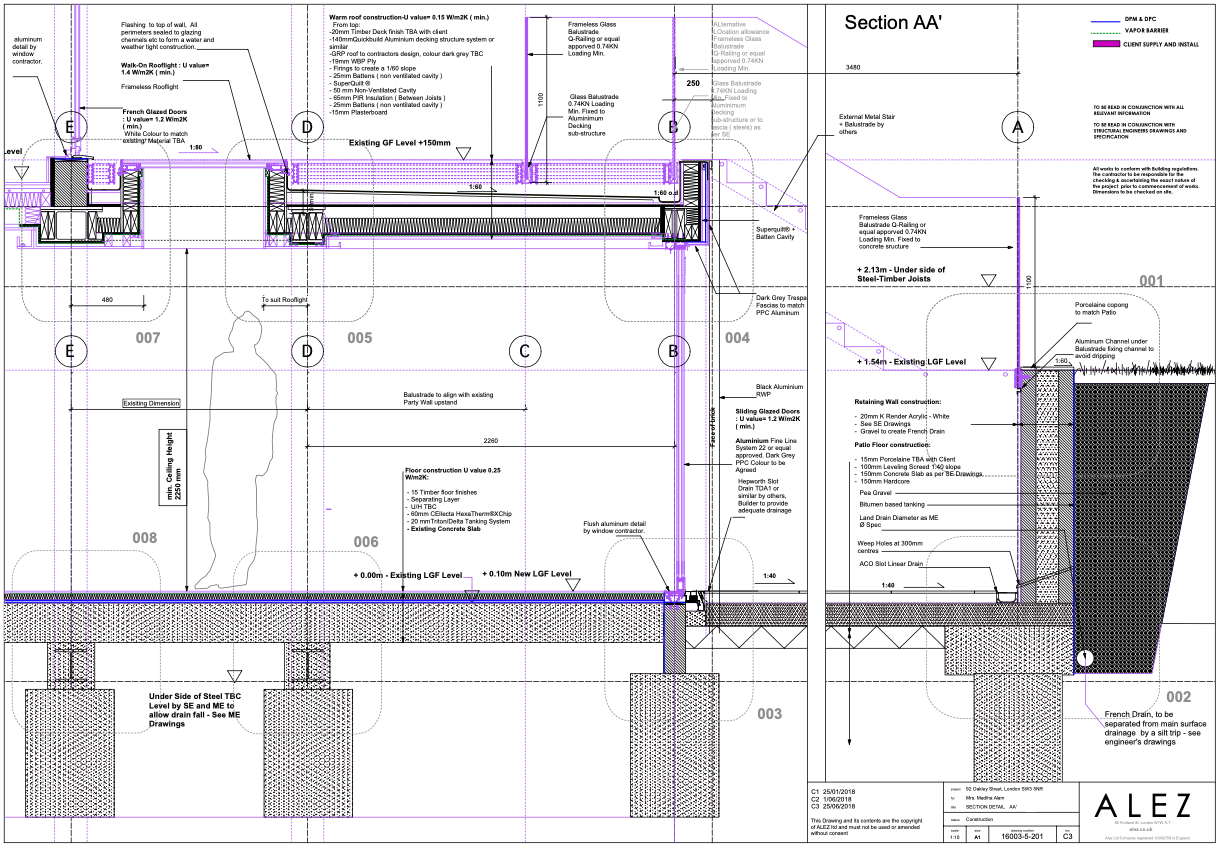
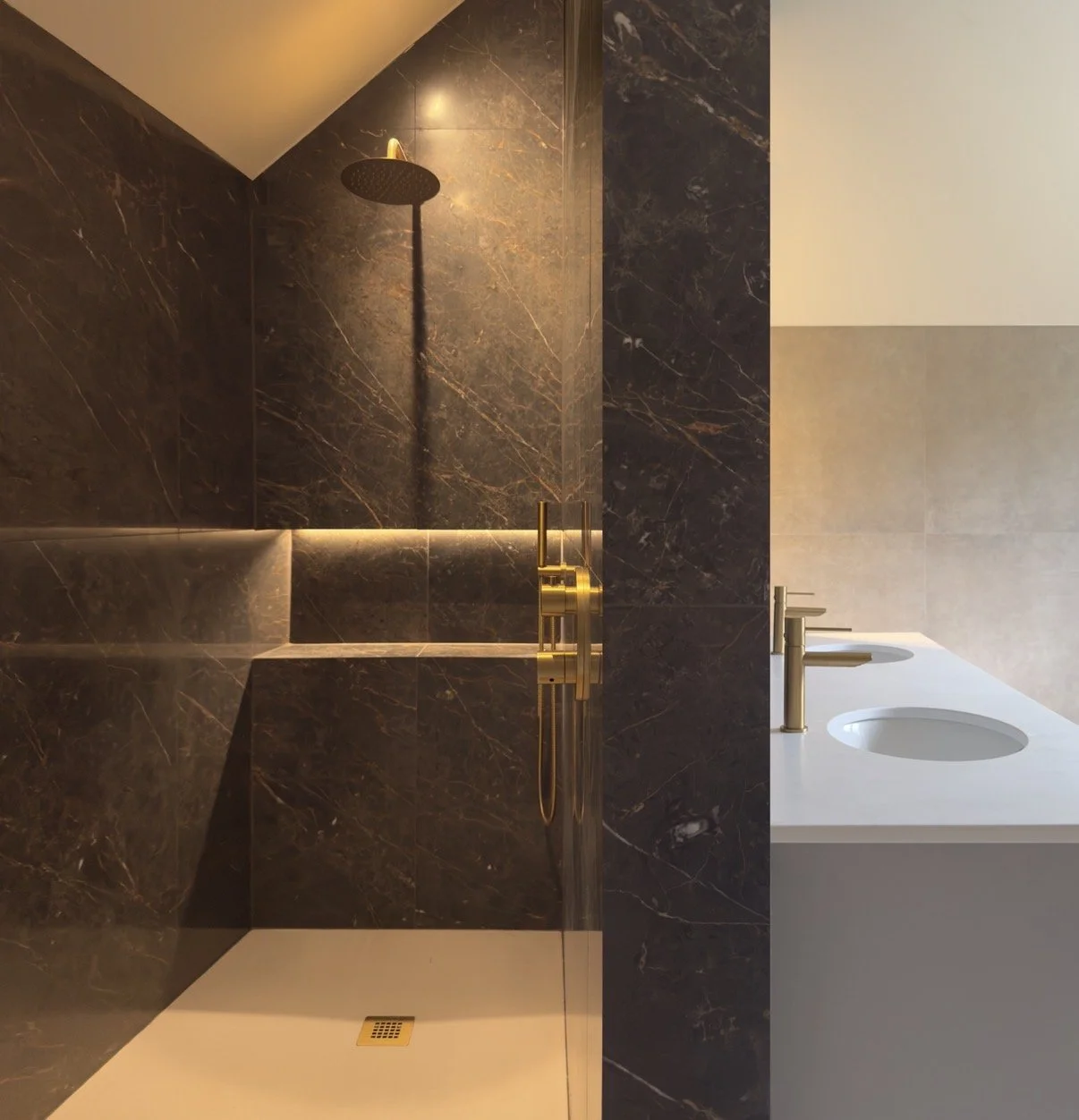
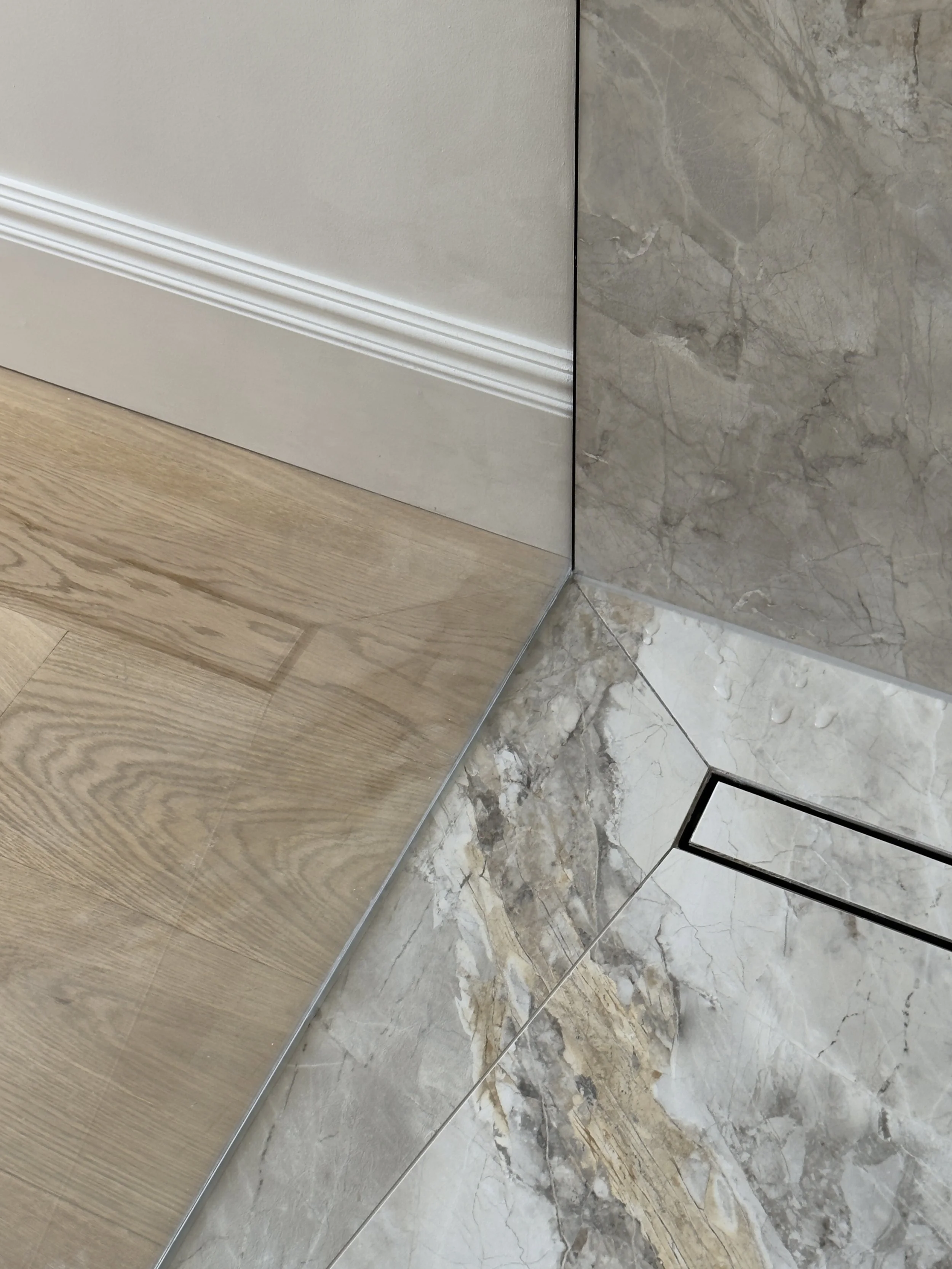
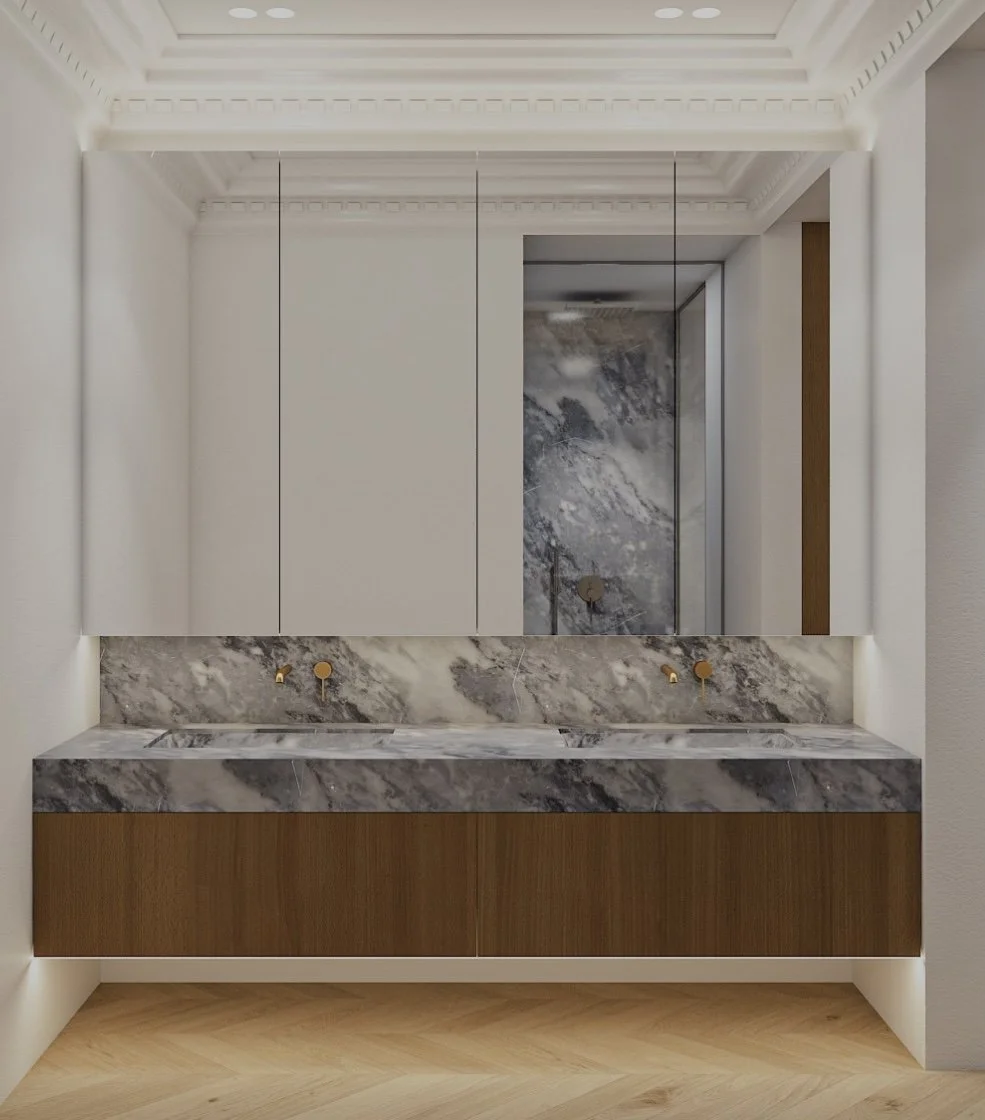
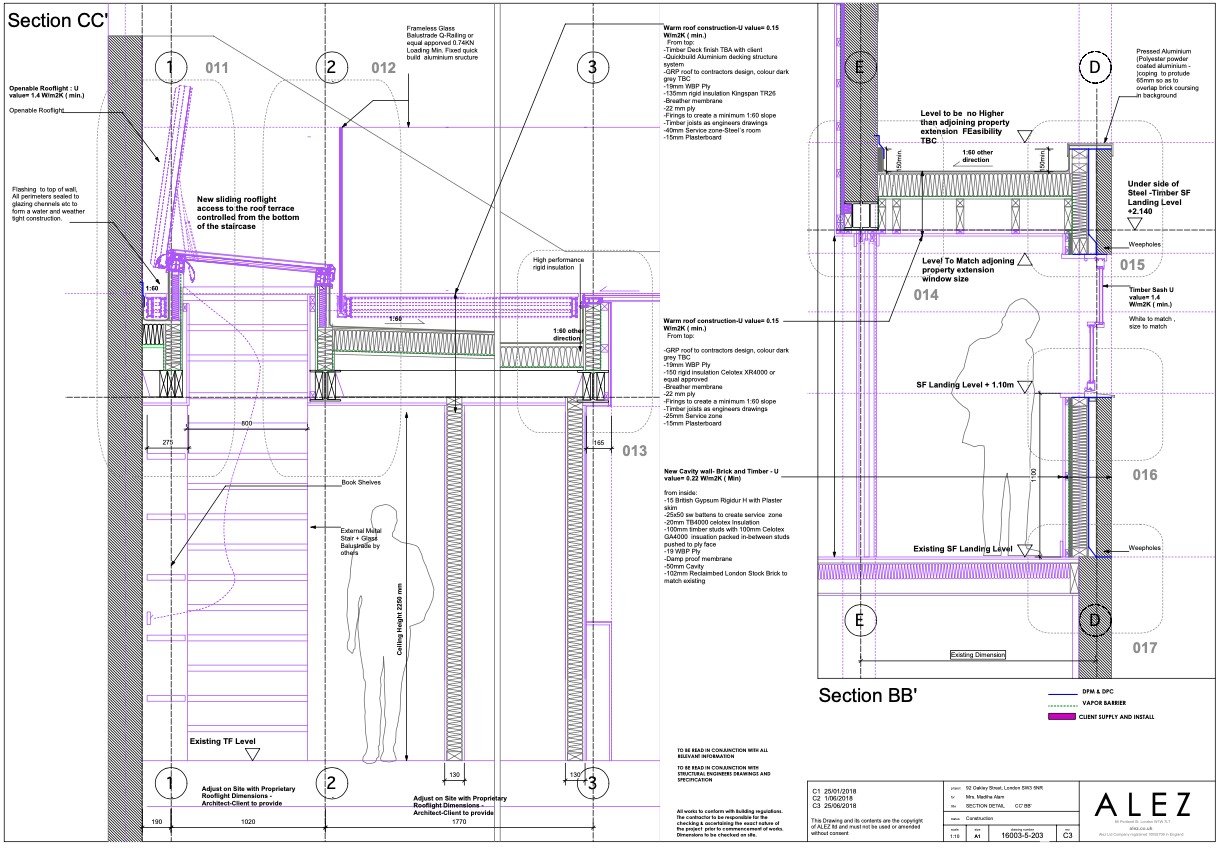
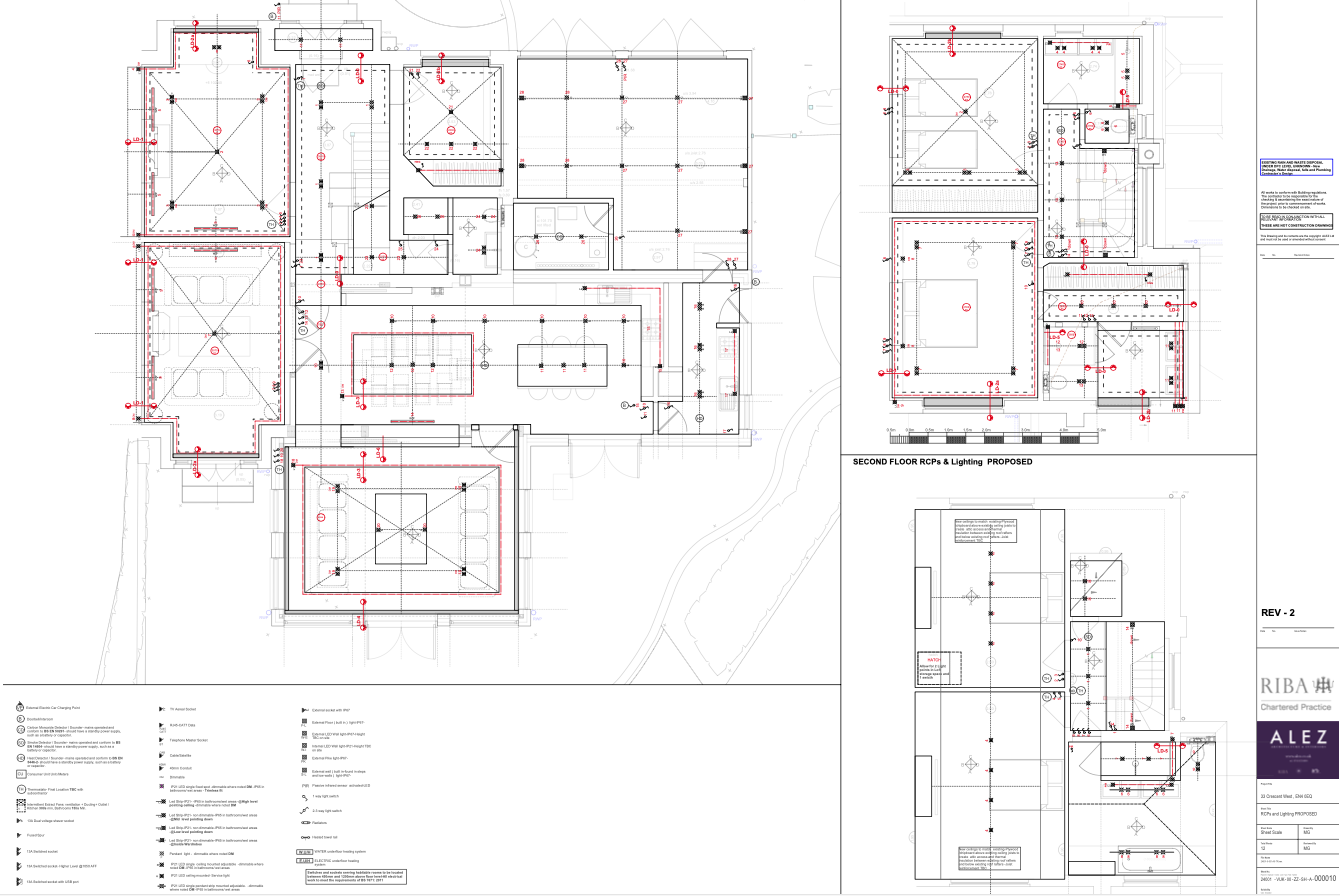
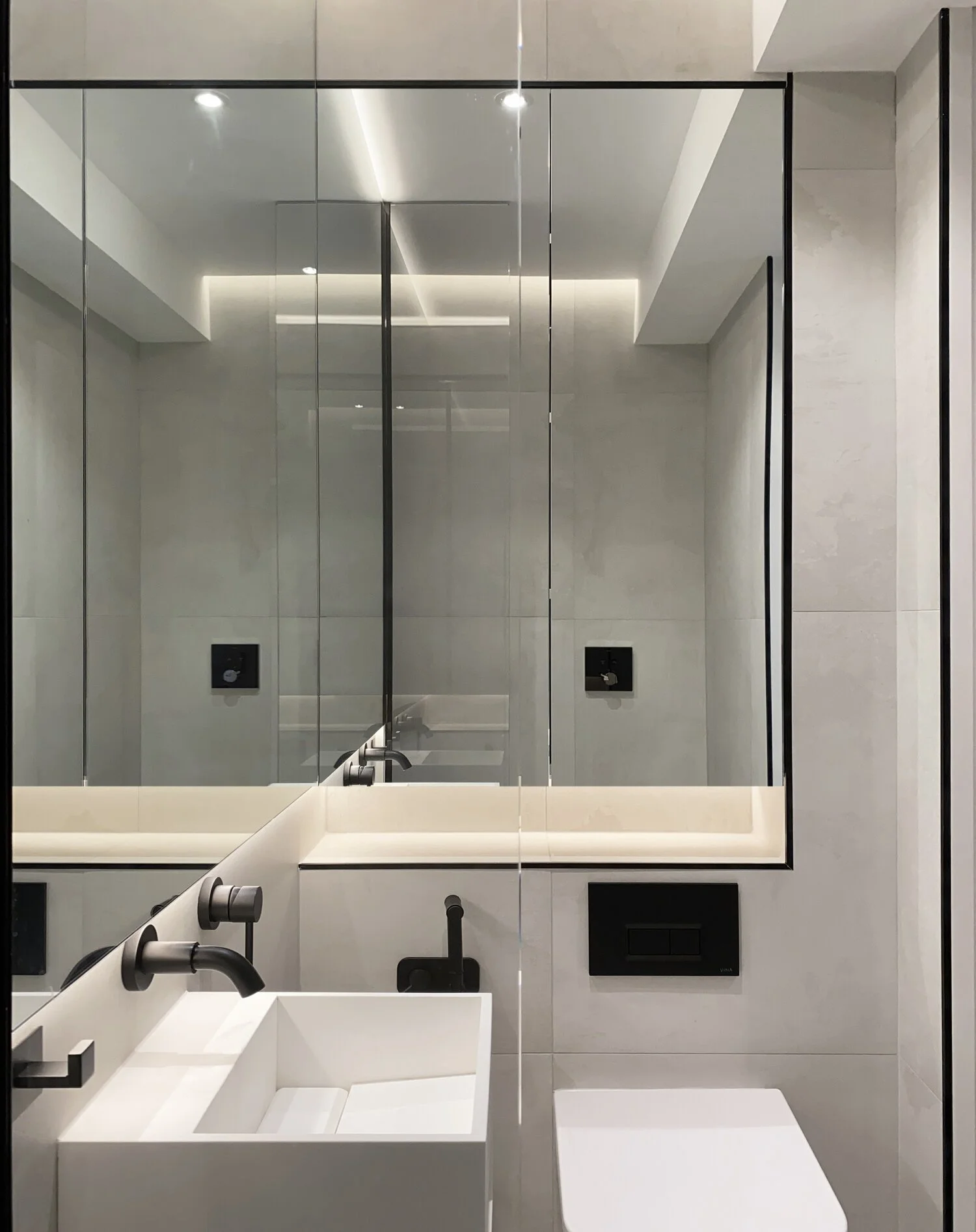
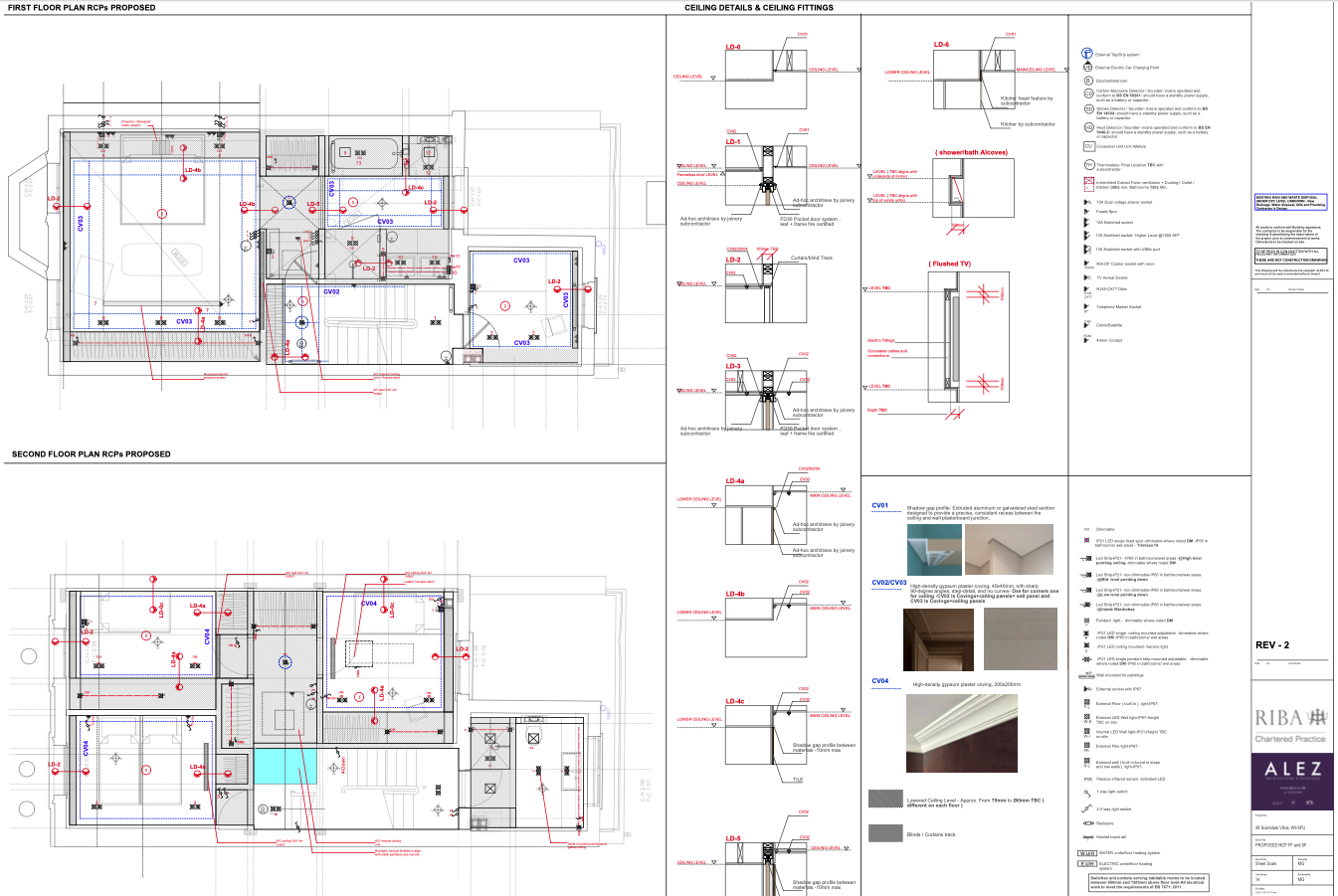
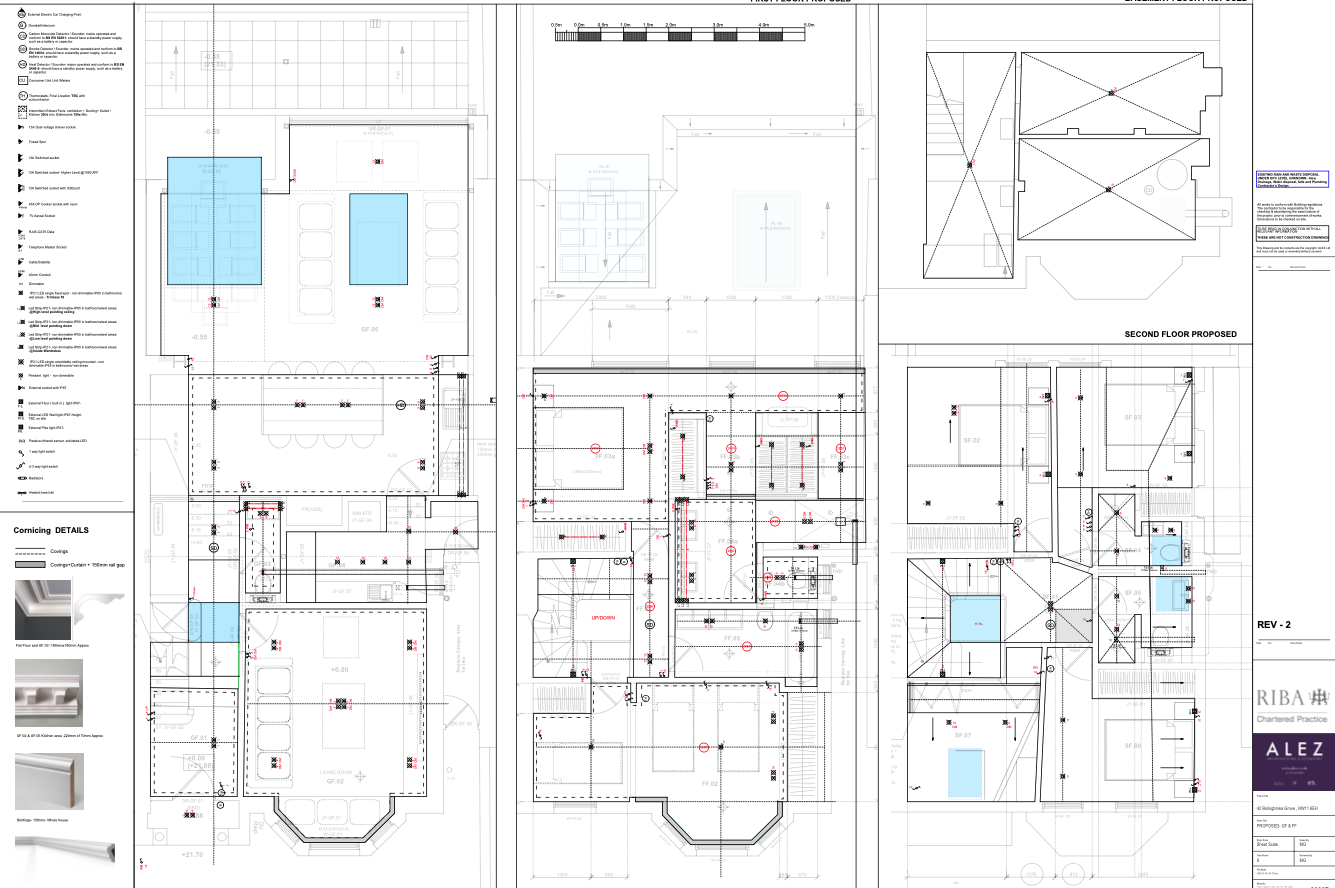
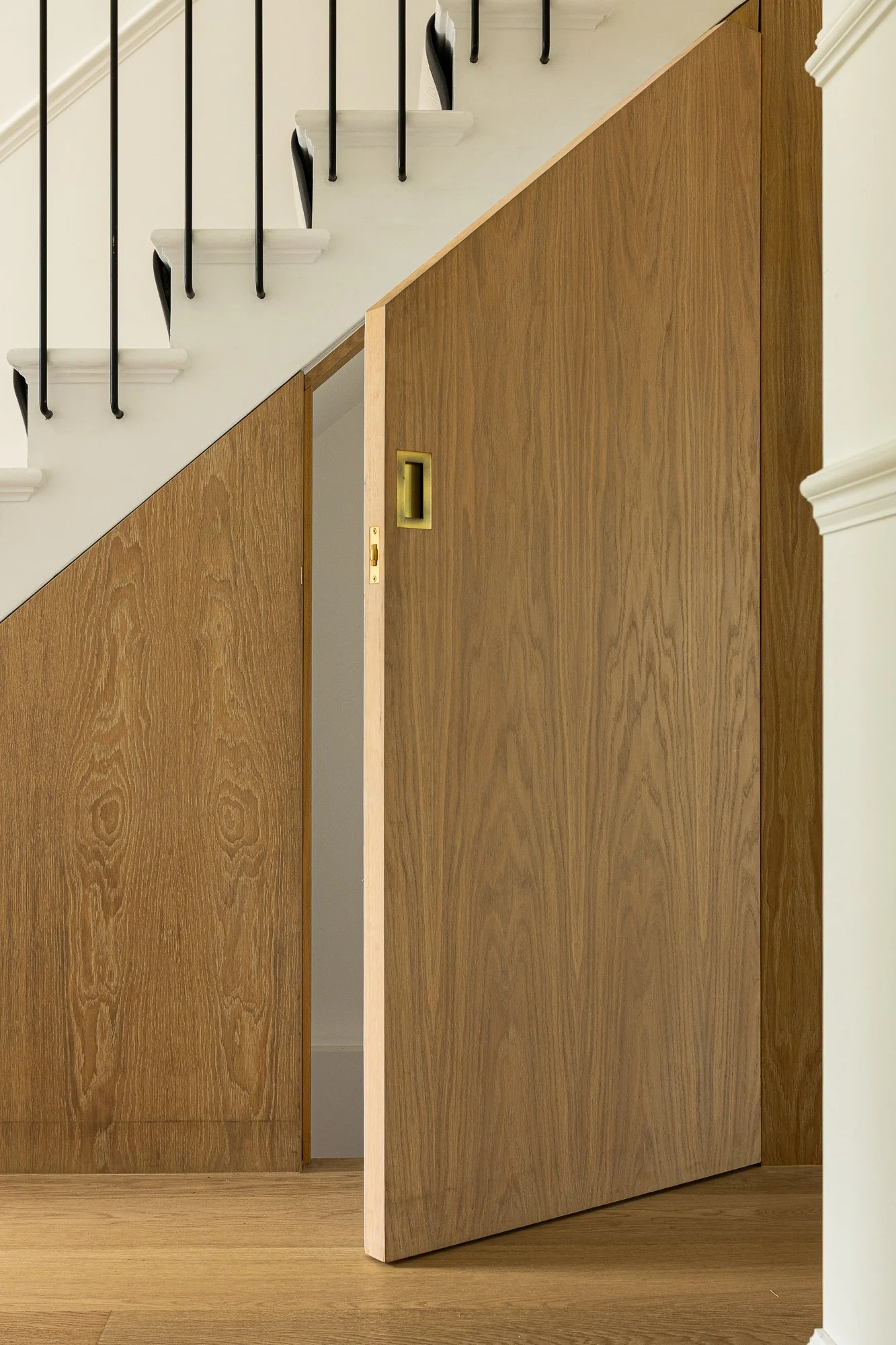
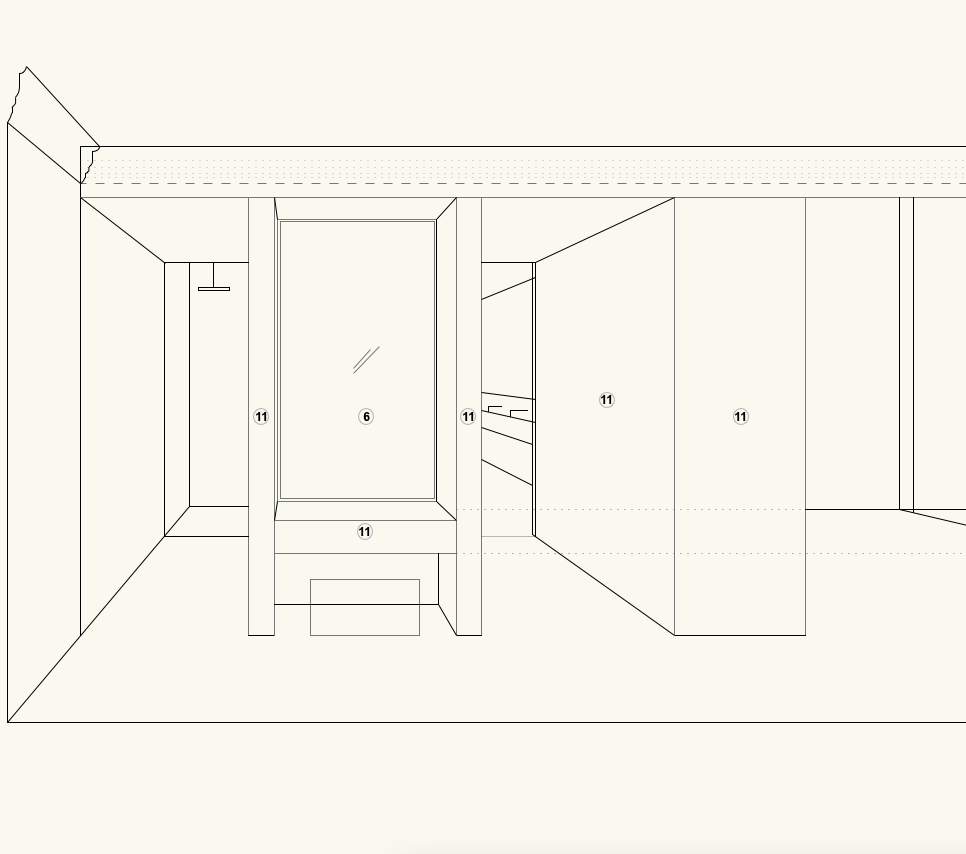
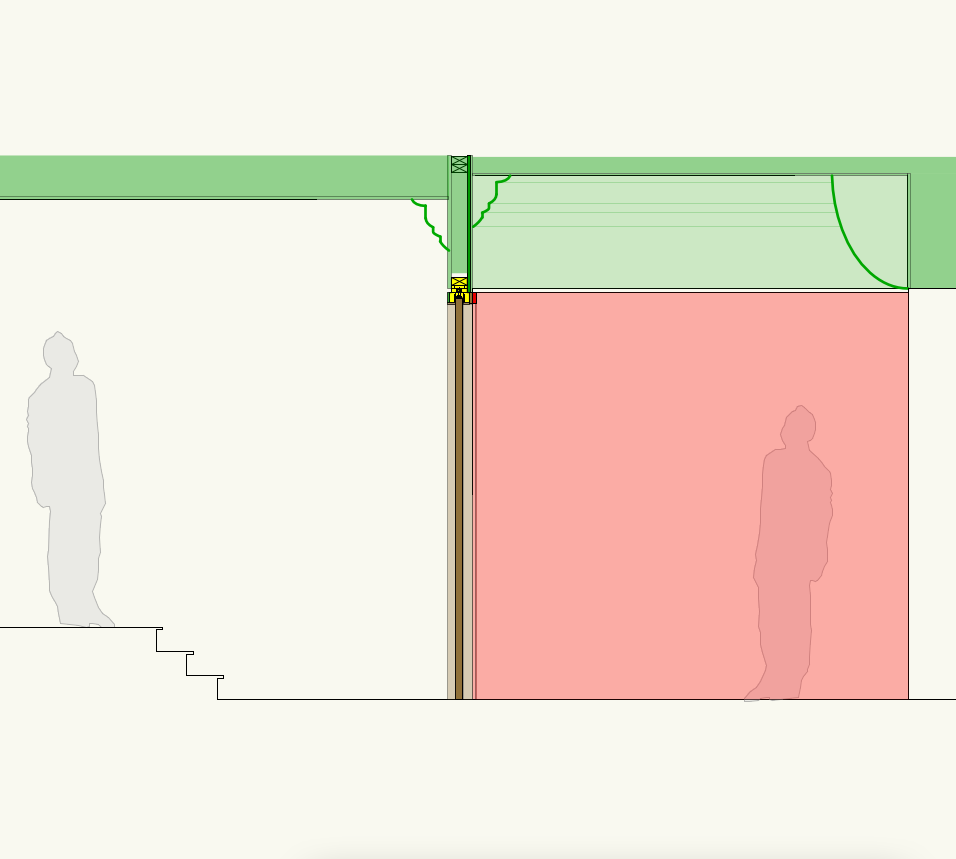
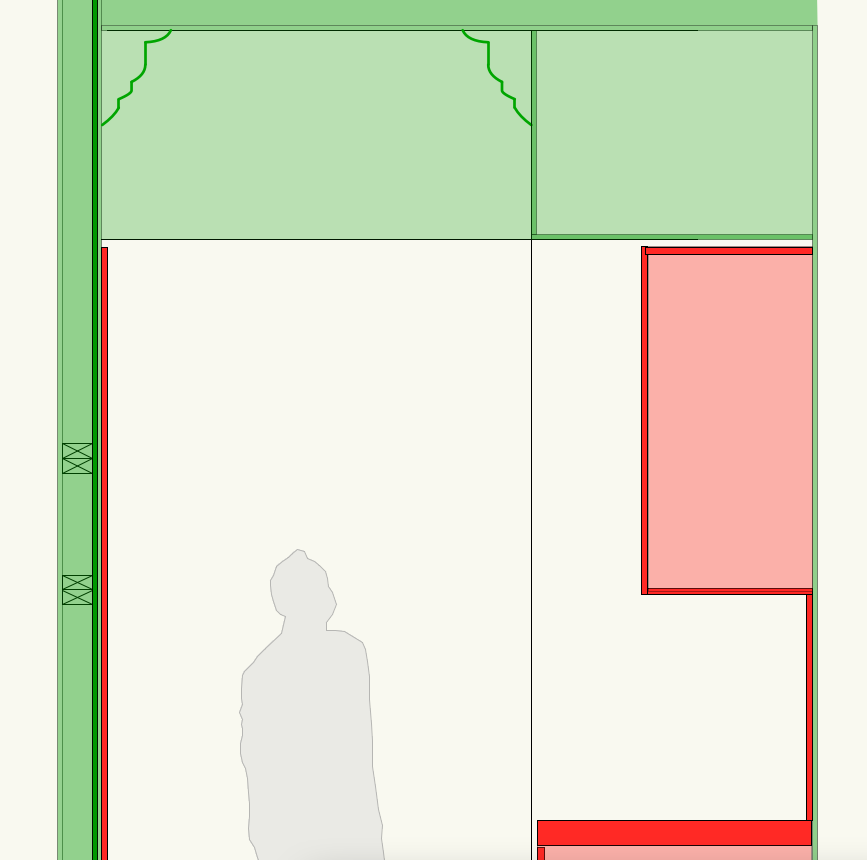
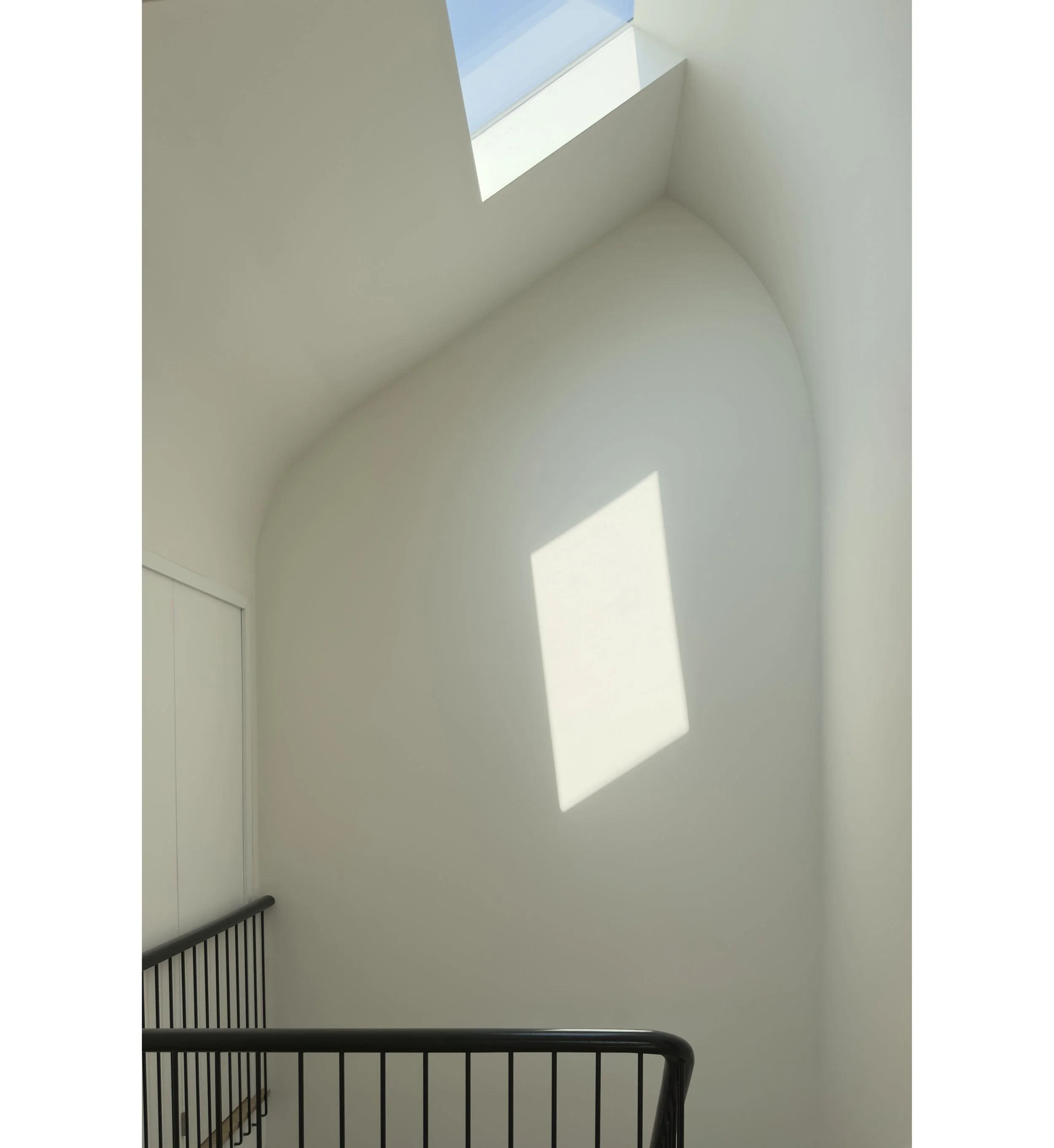
Here we focus on the architectural and technical details that have a major effect on build quality, buildability and the finished result. Depending on the project, this may include the coordination and development of stairs, rooflights, glazing systems, structural interfaces, special bathroom fittings, kitchen design and supplier coordination, lighting design and integration, bespoke joinery package outlines, plumbing fittings and layouts, specialist finishes, built-in furniture and other critical junctions throughout the house.
These elements are rarely isolated decisions. They affect one another, and they often interact closely with structural design, services, levels, tolerances and construction sequencing.
This is where the package begins to move well beyond compliance and into quality, clarity and risk mitigation. It is also where many of the uncertainties that can later create confusion, extra cost or diluted design quality on site are reduced significantly.
Value:
A stronger and more predictable construction package, better protection of design quality and finish, and a much clearer basis for pricing, contracts and delivery - with everyone working from the same defined scope and specification.

-
Completing the project in detail - the finish, the feel, what you see and touch
The third layer of development takes the project into the detailed interior and external design decisions that shape the final character of the home.
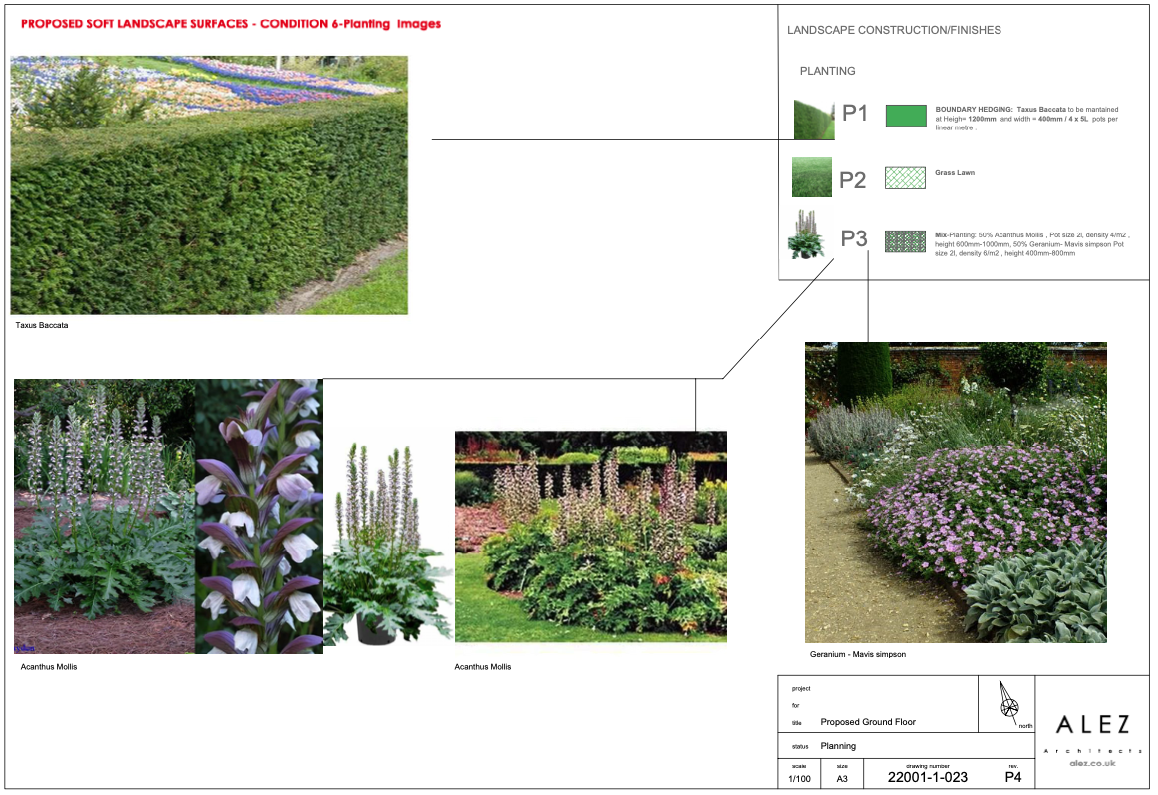
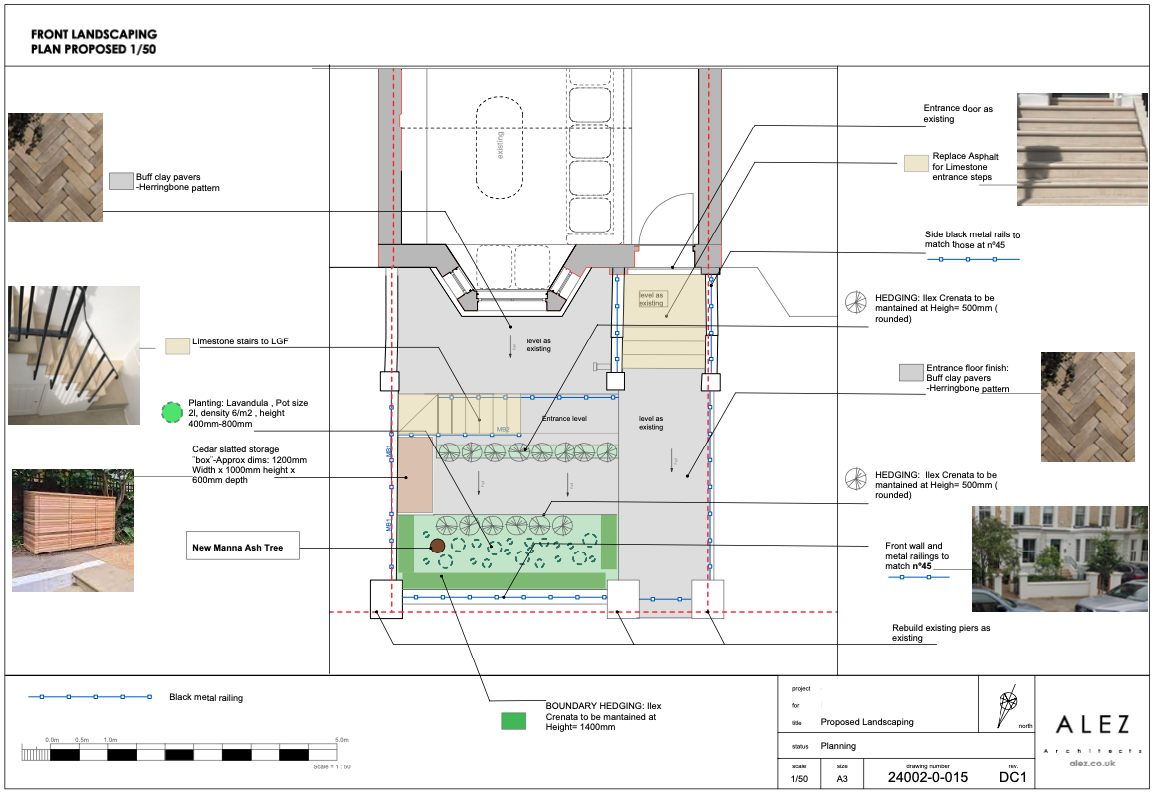
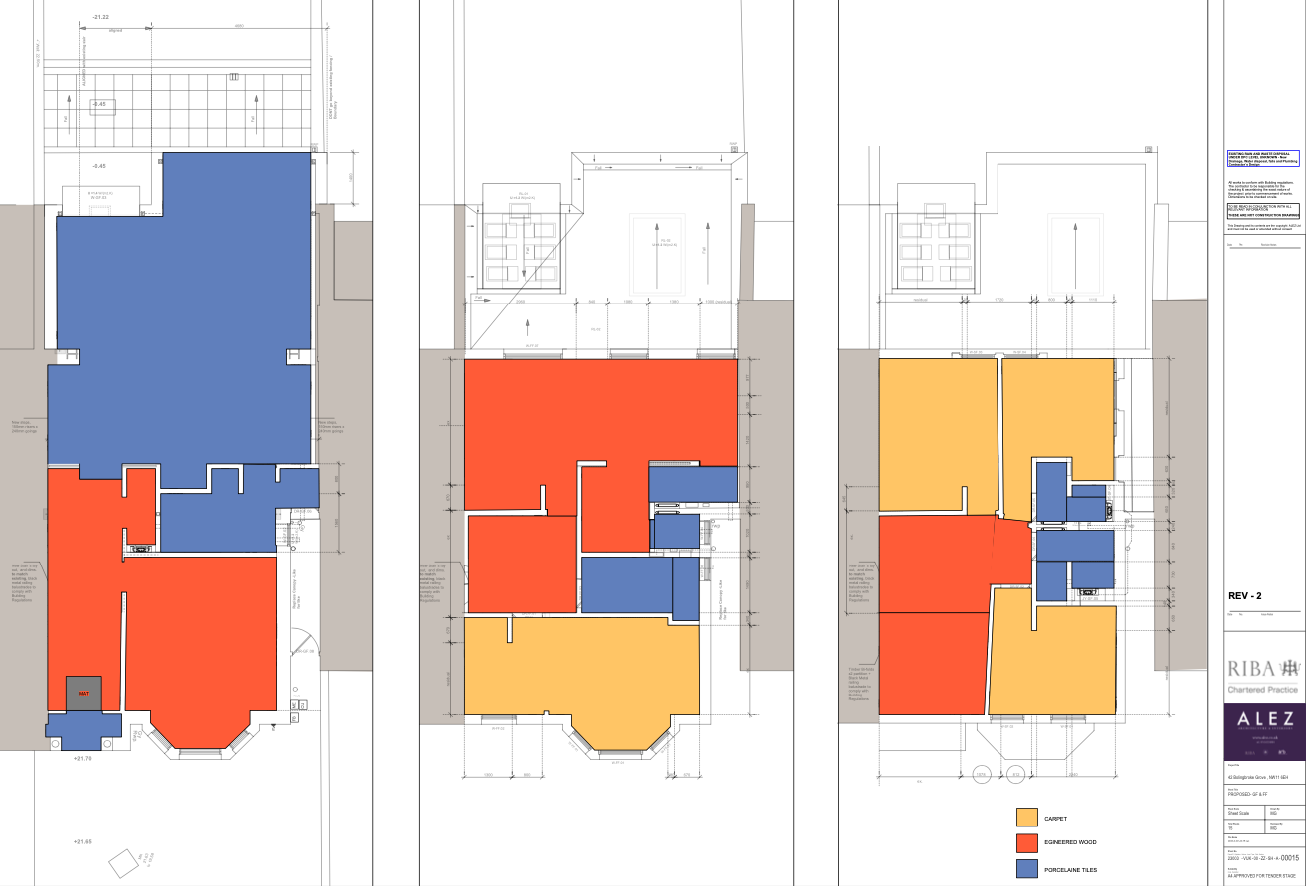
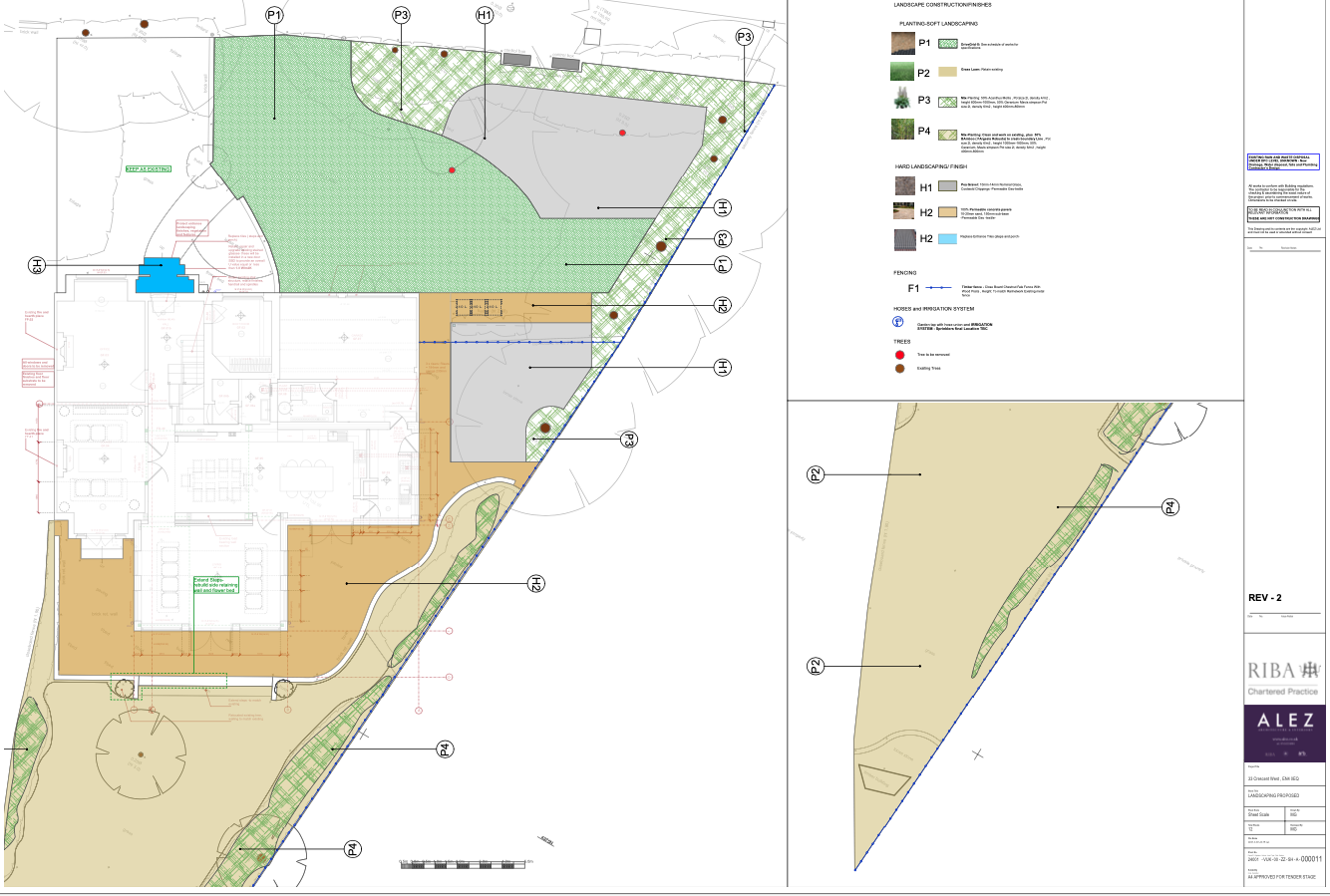
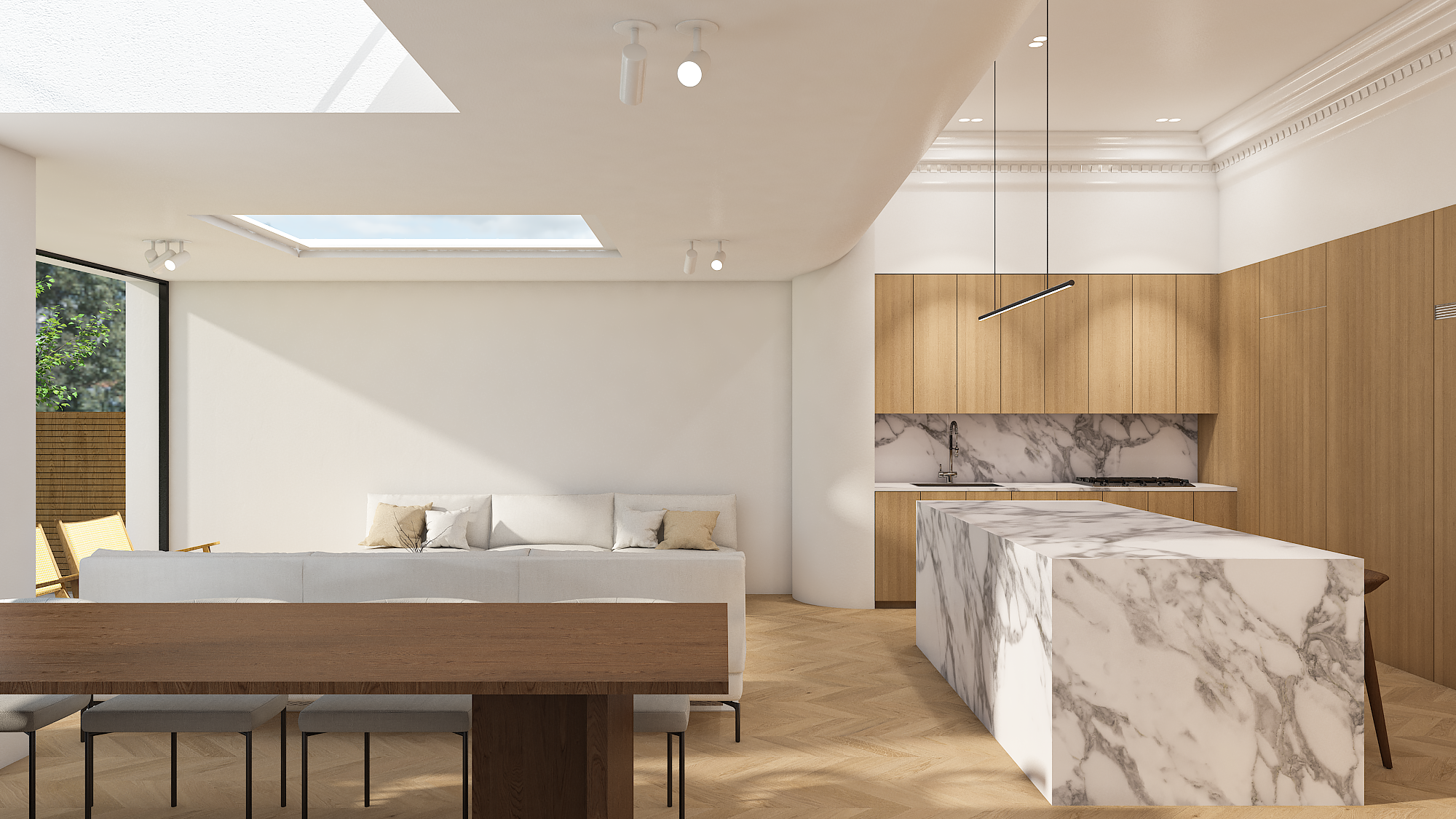
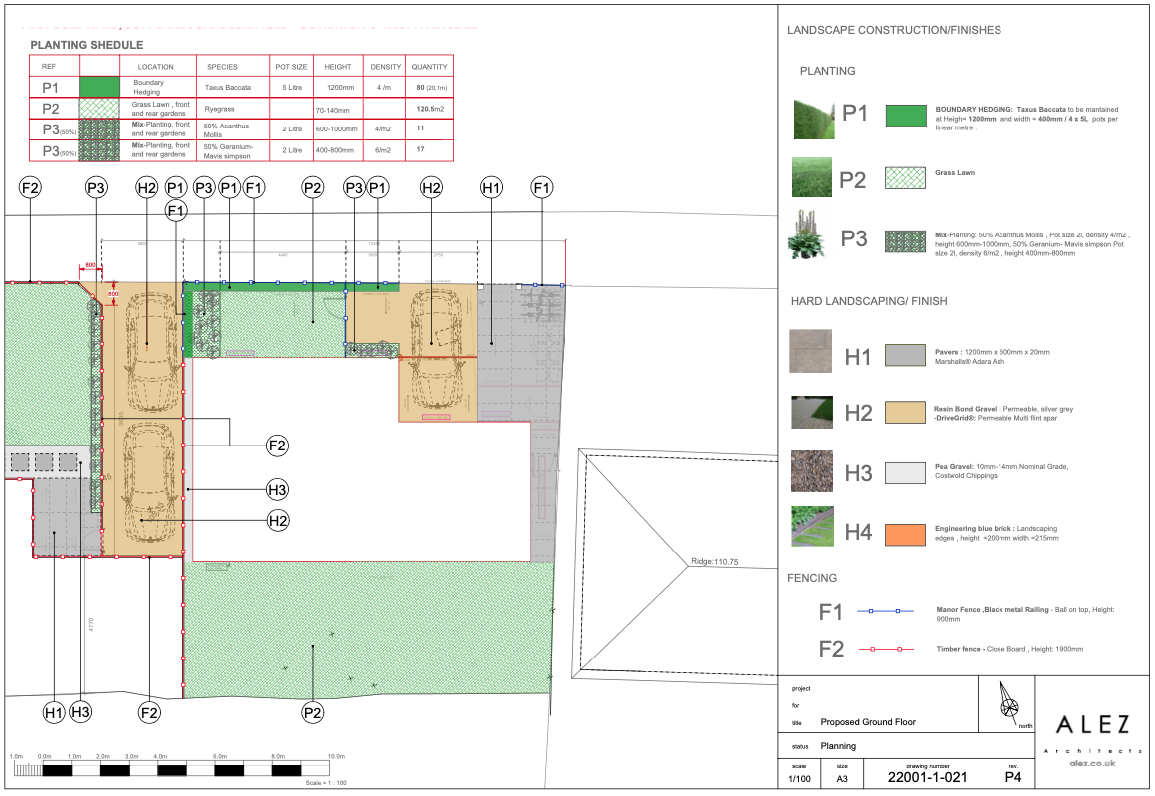
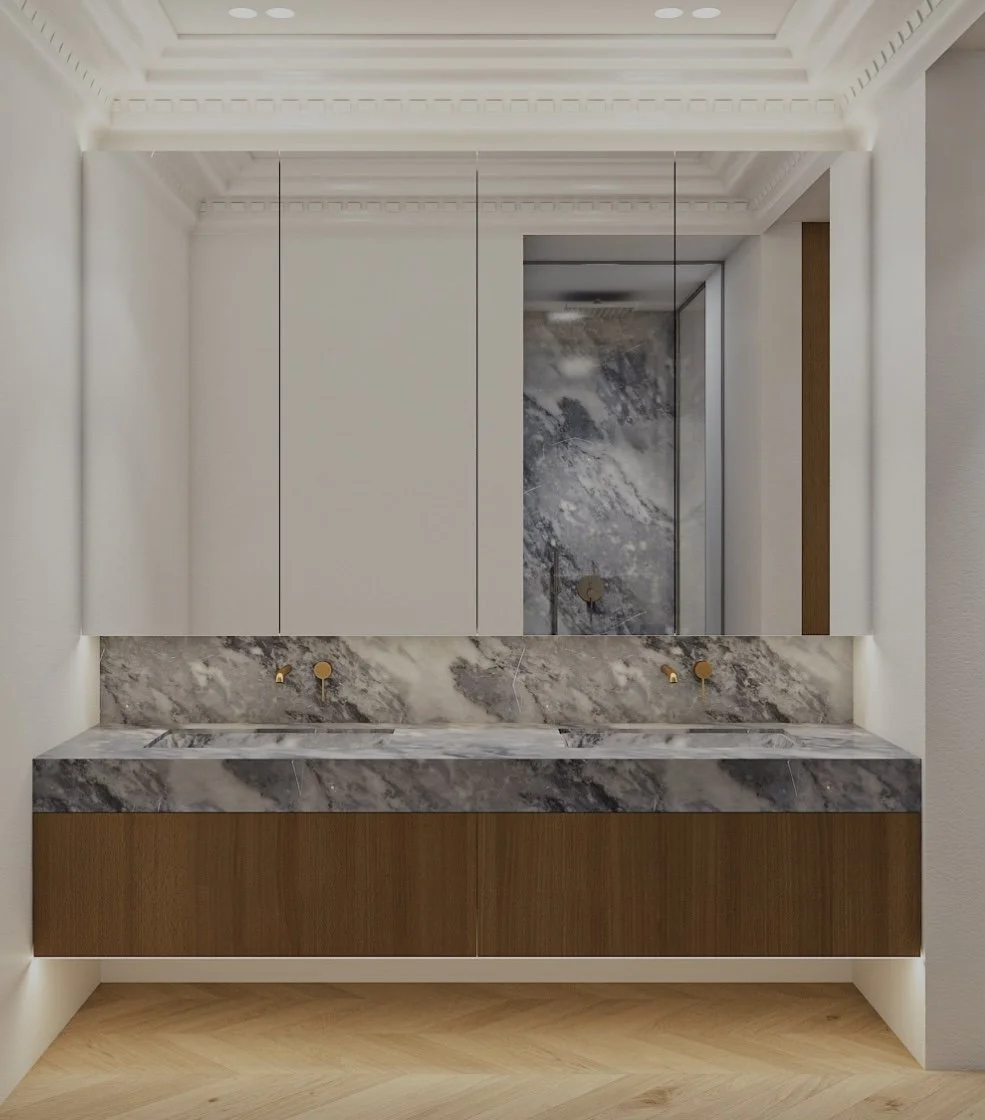
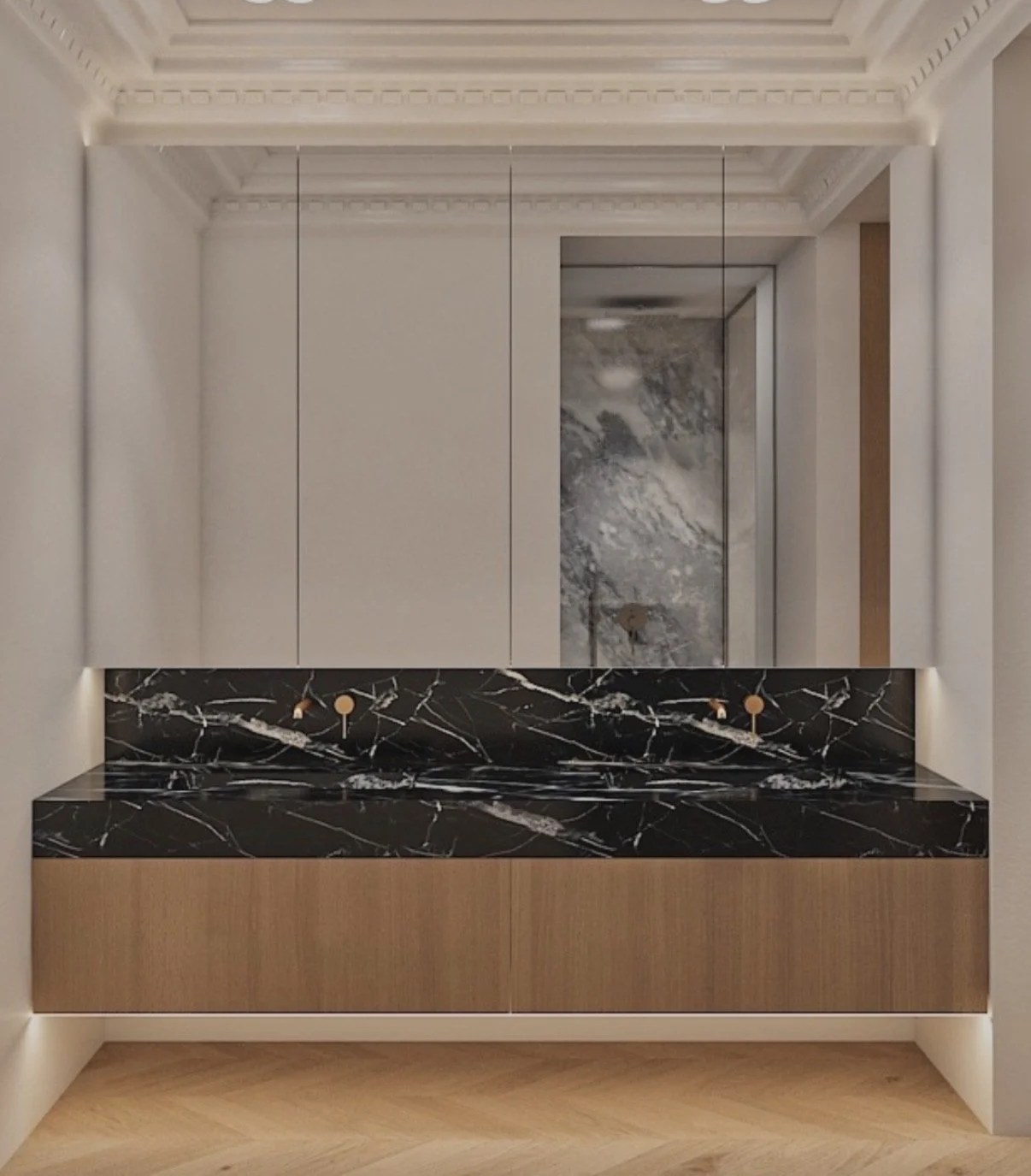
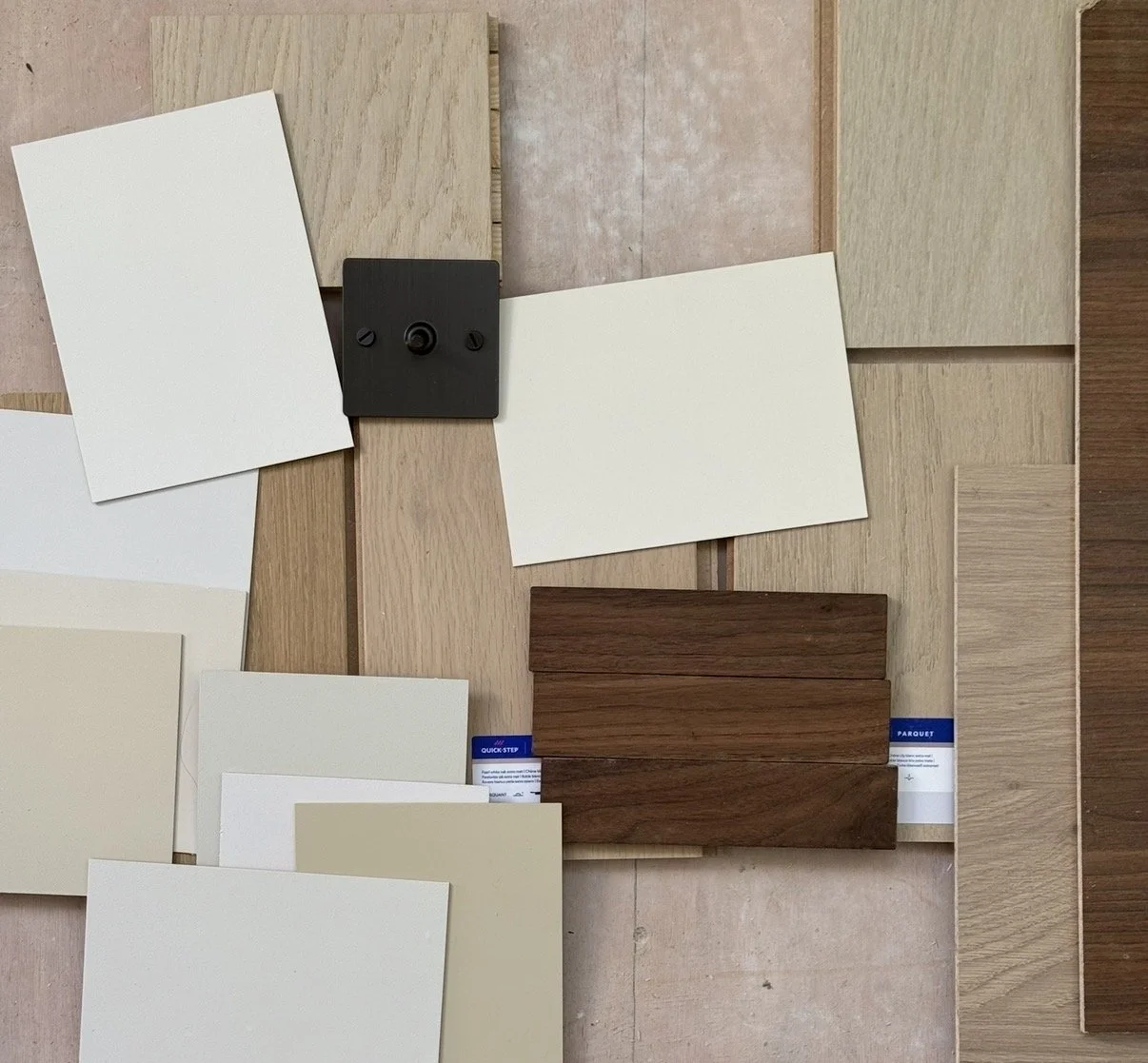
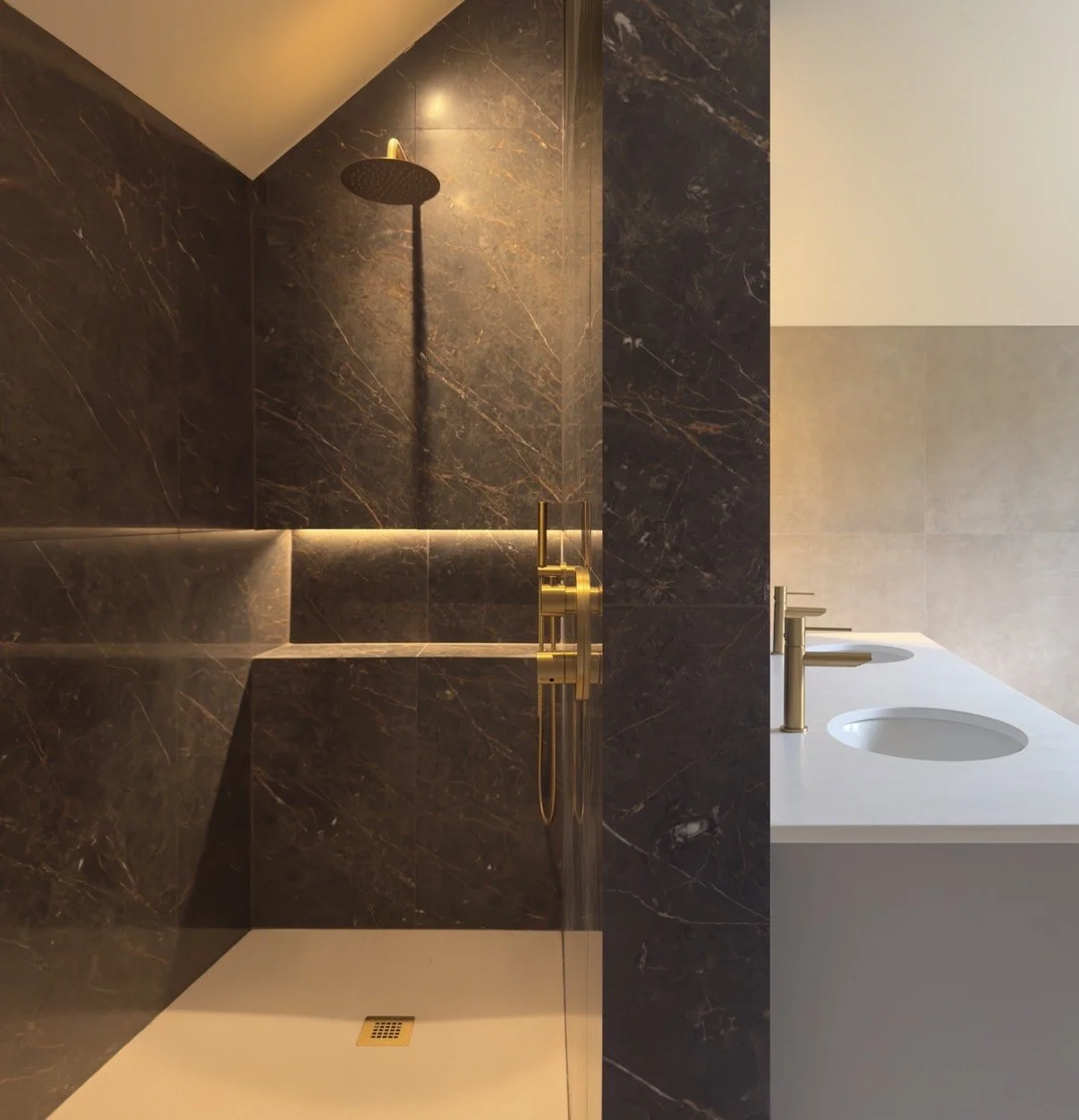
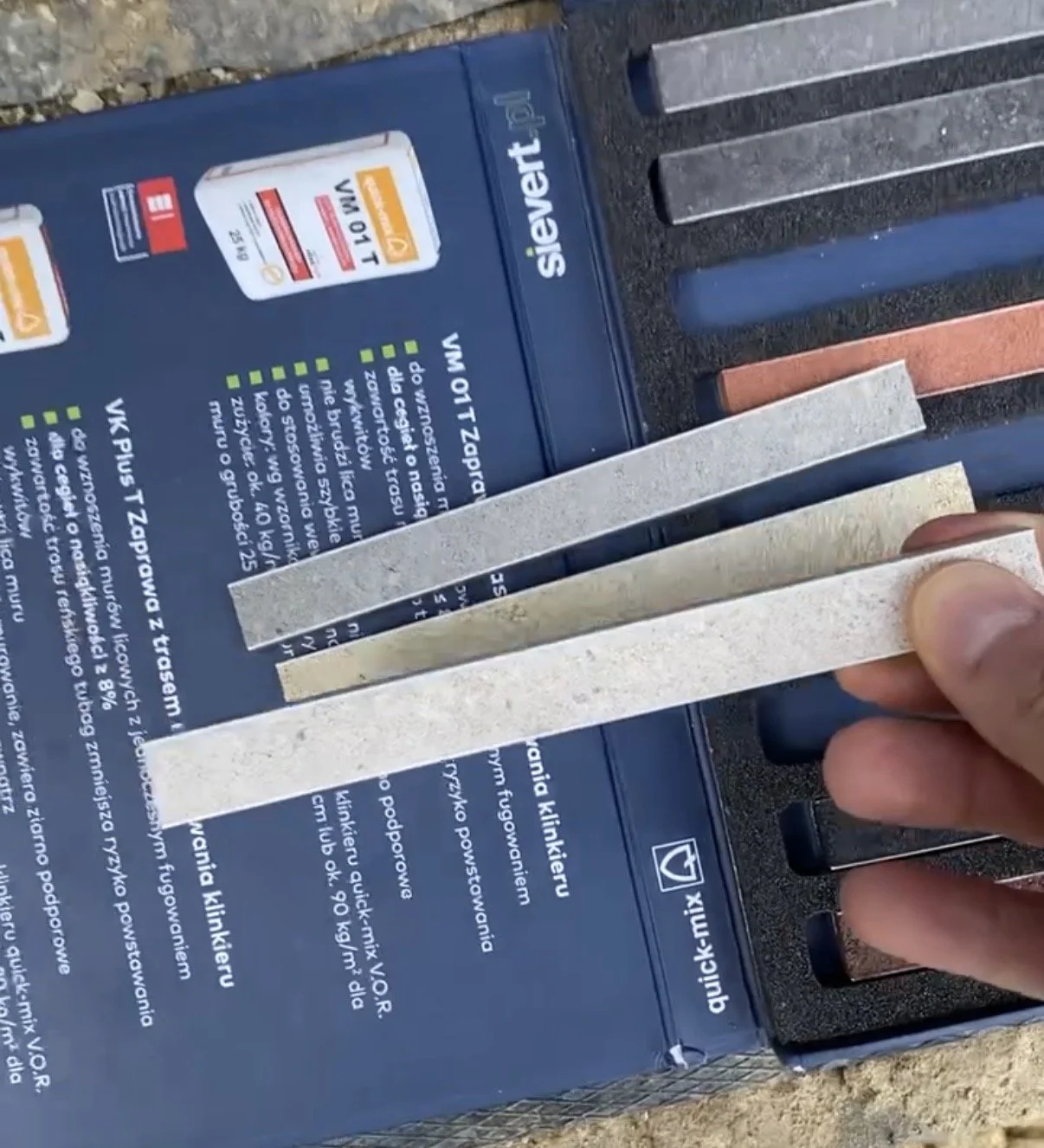
At this stage, the focus moves more strongly towards materials, finishes and the final design language of the project, both internally and externally. This may include material palettes, floor and wall finishes, decorative elements, sanitaryware selections, final joinery finishes, lighting finishes, planting, hard landscaping, external finishes and other selected details that contribute to the final atmosphere and quality of the project.
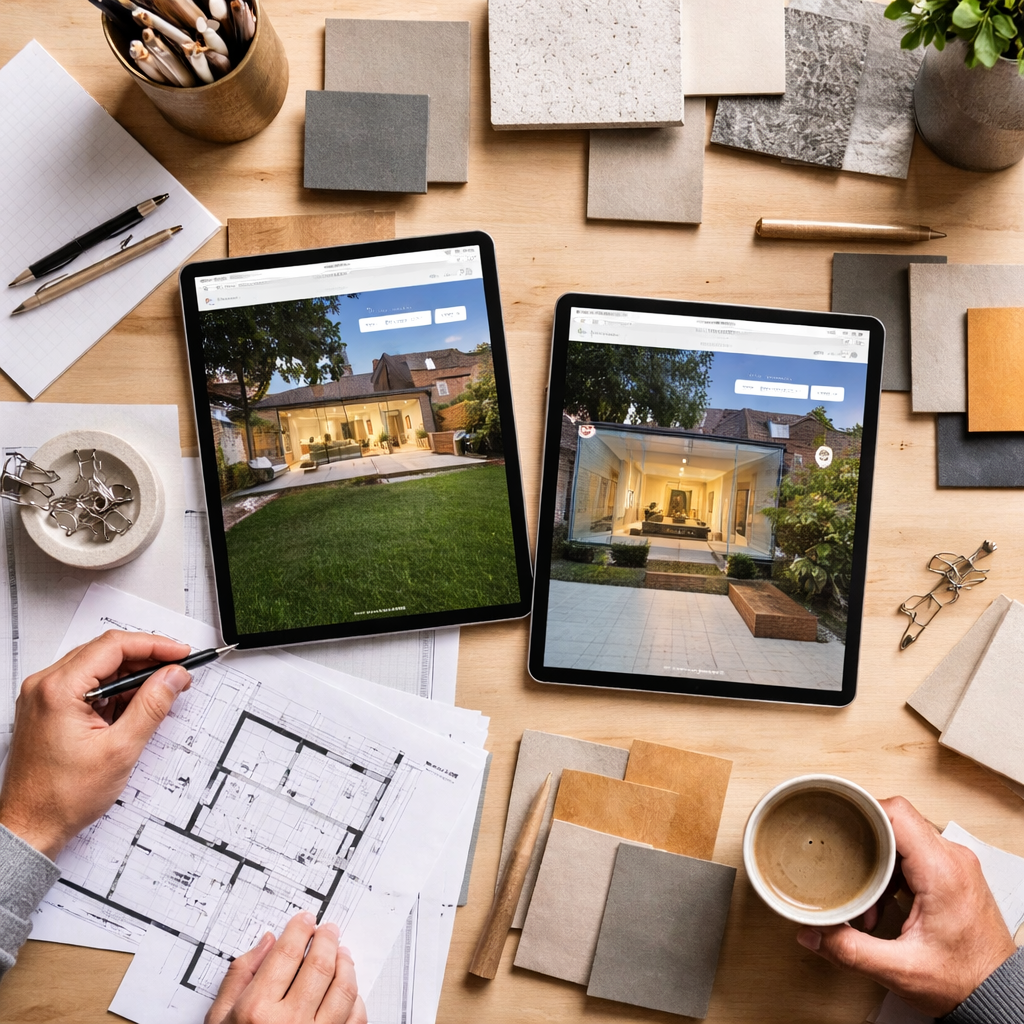
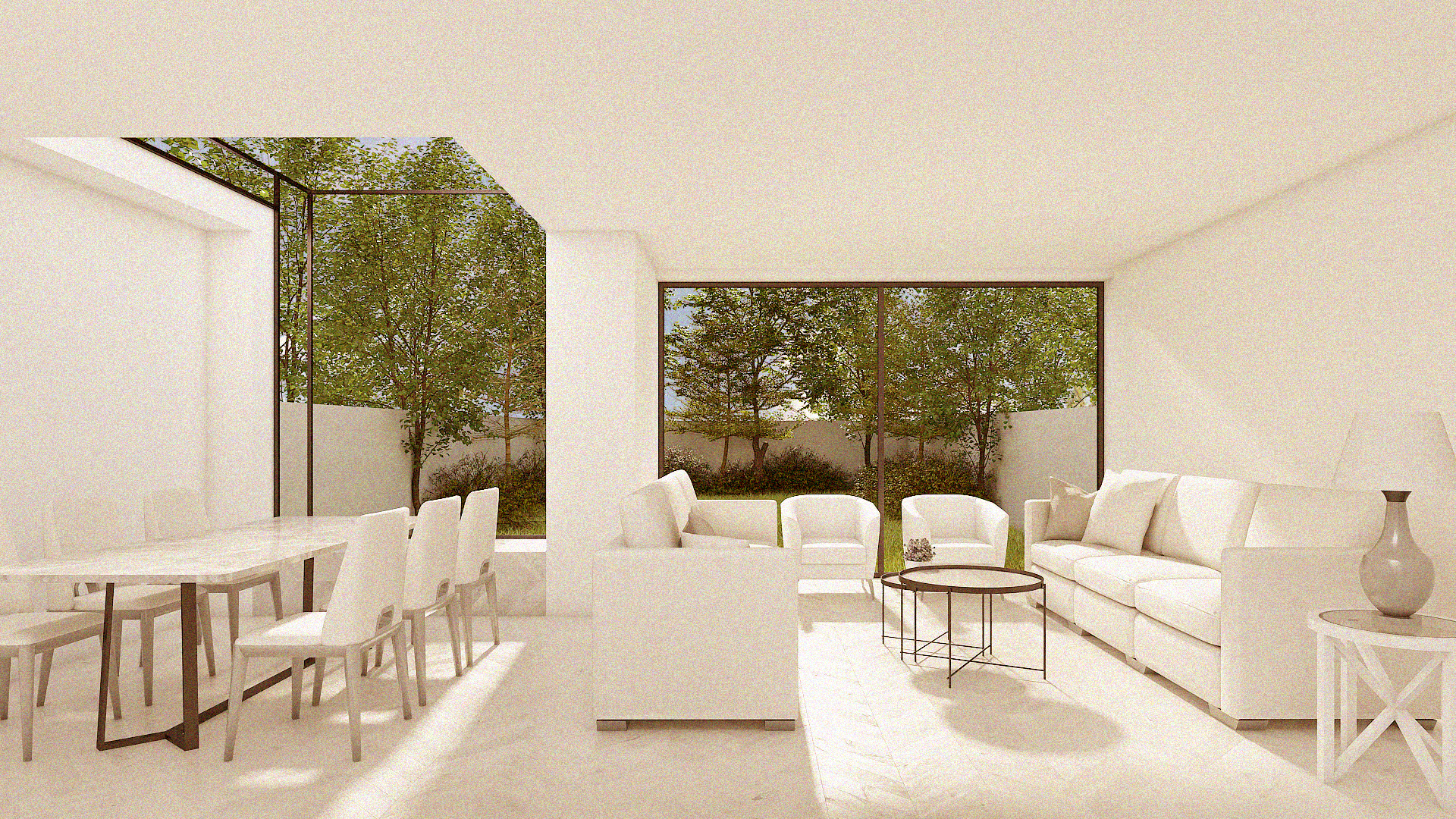
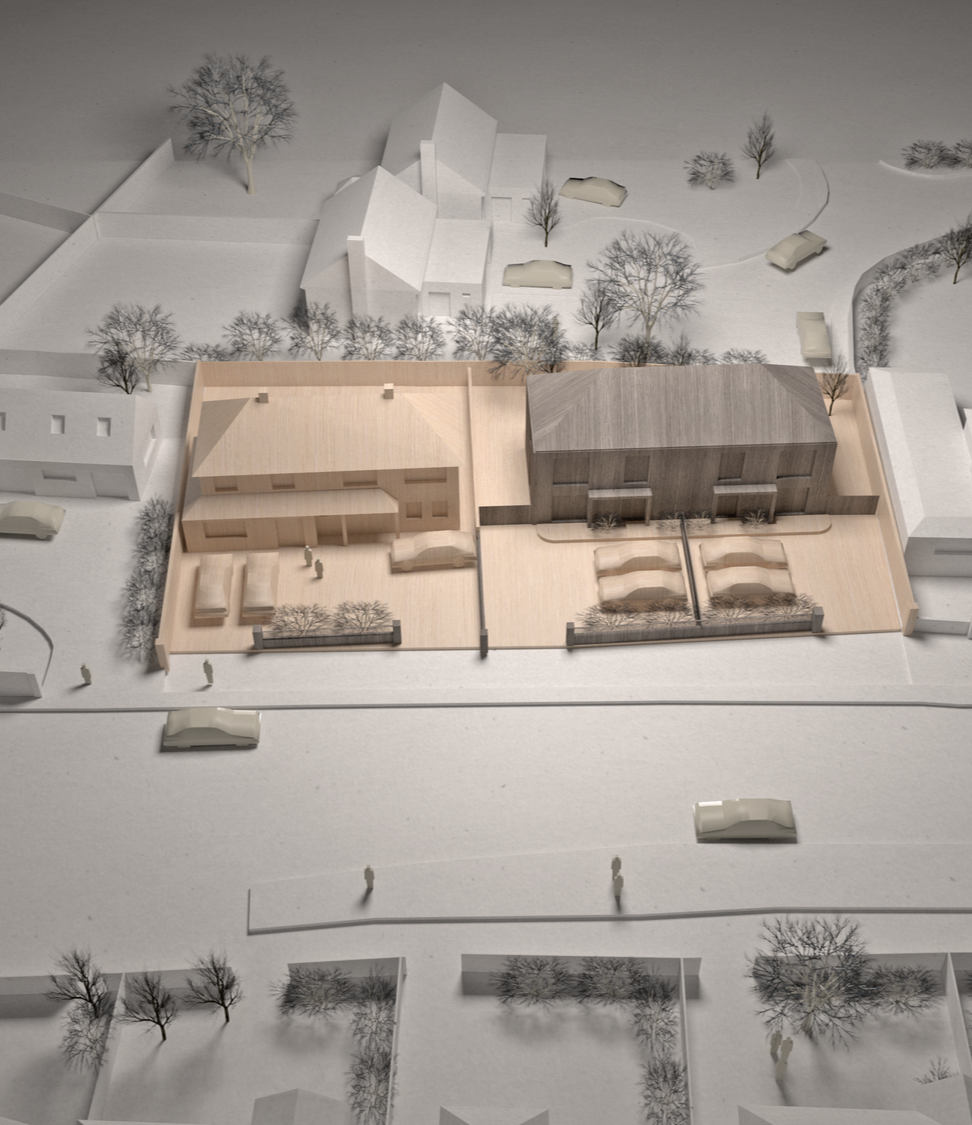
This stage may also include computer-generated mood boards, physical sample mood boards, CGI realistic visuals, and coordination with specialist suppliers or makers whose input is needed before construction or procurement.
This stage is particularly important on projects where the success of the final result lies not only in the architectural shell, but in the coherence of the interior, the quality of the finish and the relationship between house and garden.
Value
A more bespoke, coherent and refined design outcome, with materials, finishes and external elements developed as part of the same overall vision rather than as separate decisions later on.







-
Finding and working with the right construction team and setting the project up properly for construction
A successful project depends not only on the design, but on the people appointed to build it and the way the works are procured. This stage is therefore about far more than simply asking builders for prices.
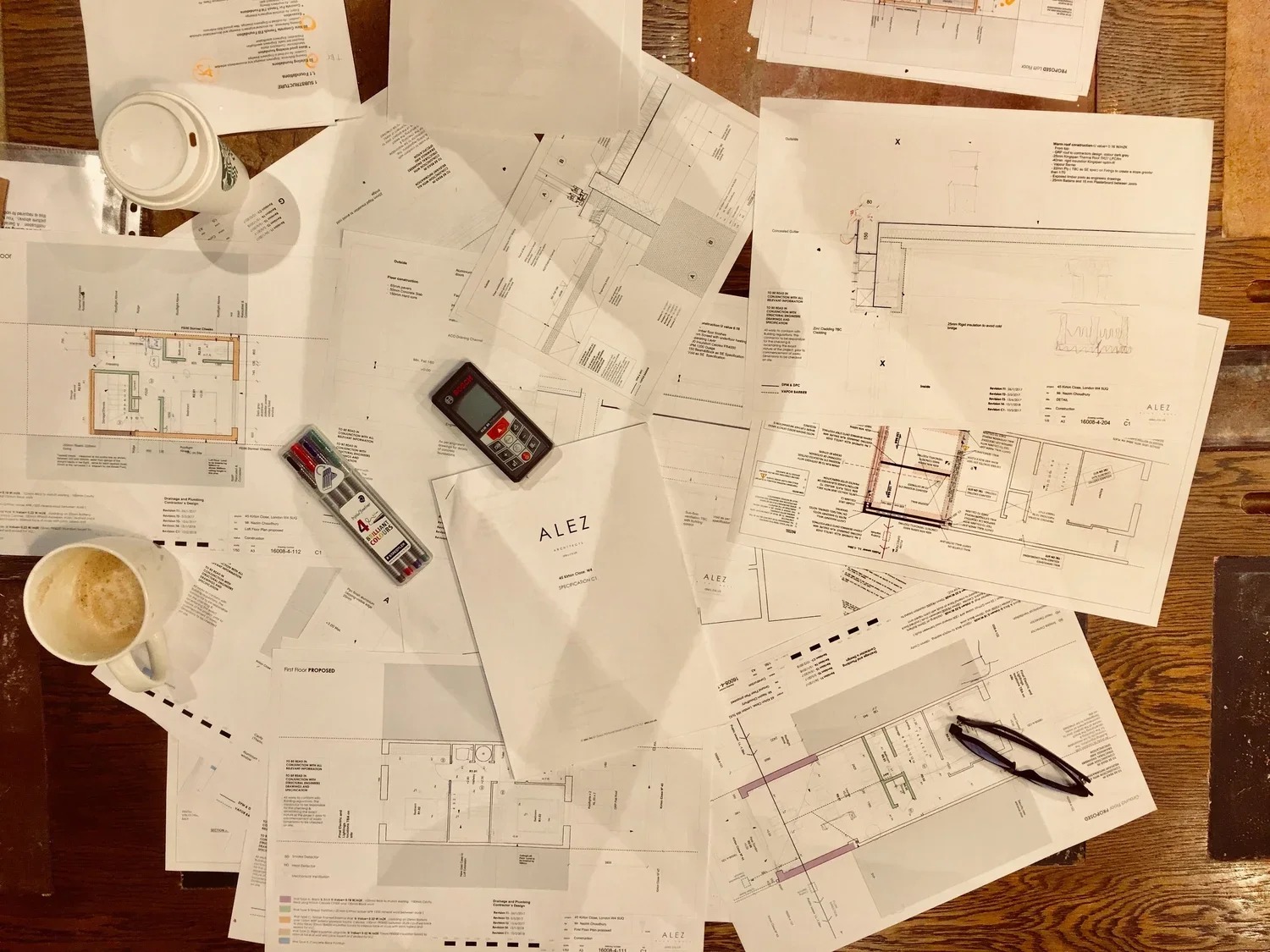
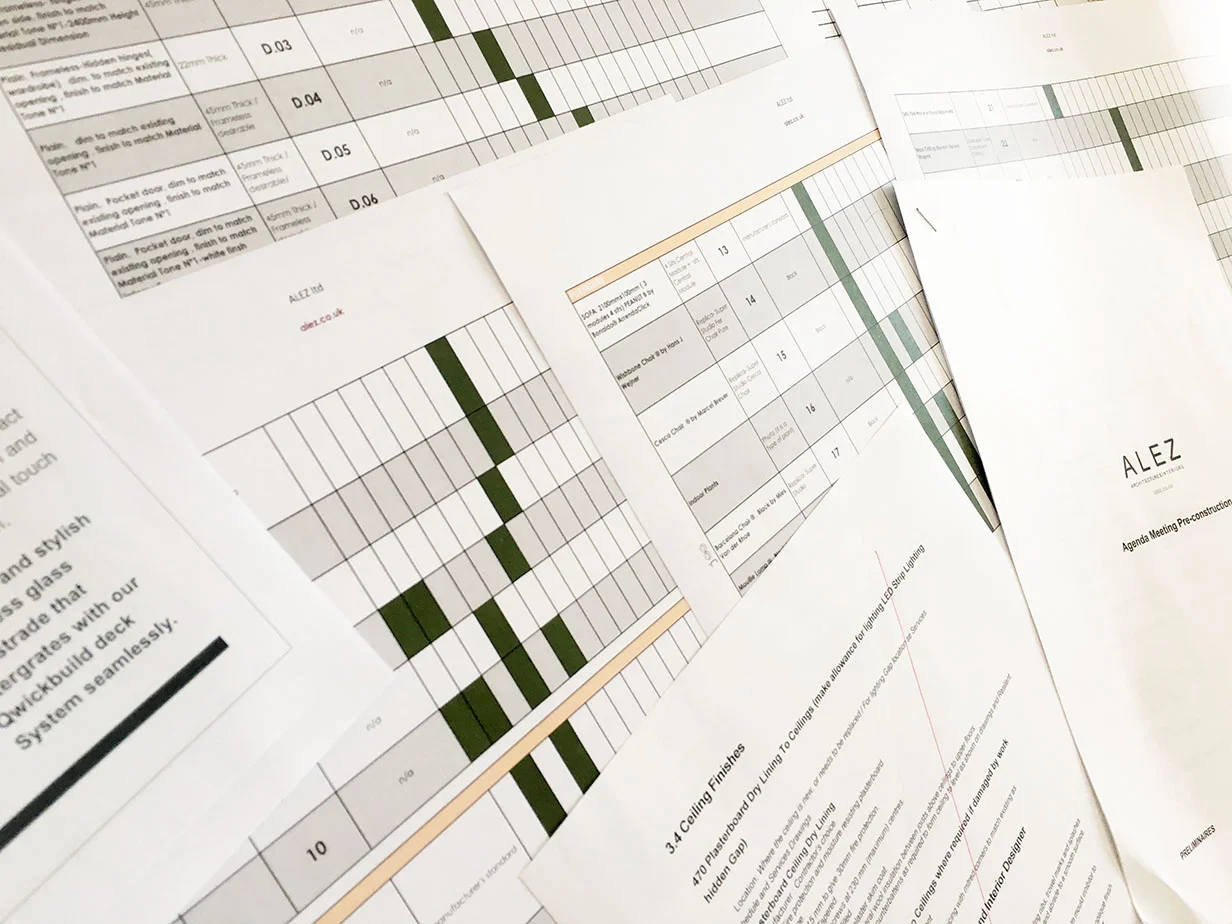
We prepare the tender package, issue the information to a selected number of suitable contractors, manage queries during the tender period, review the returns in detail, and advise on the best route forward.
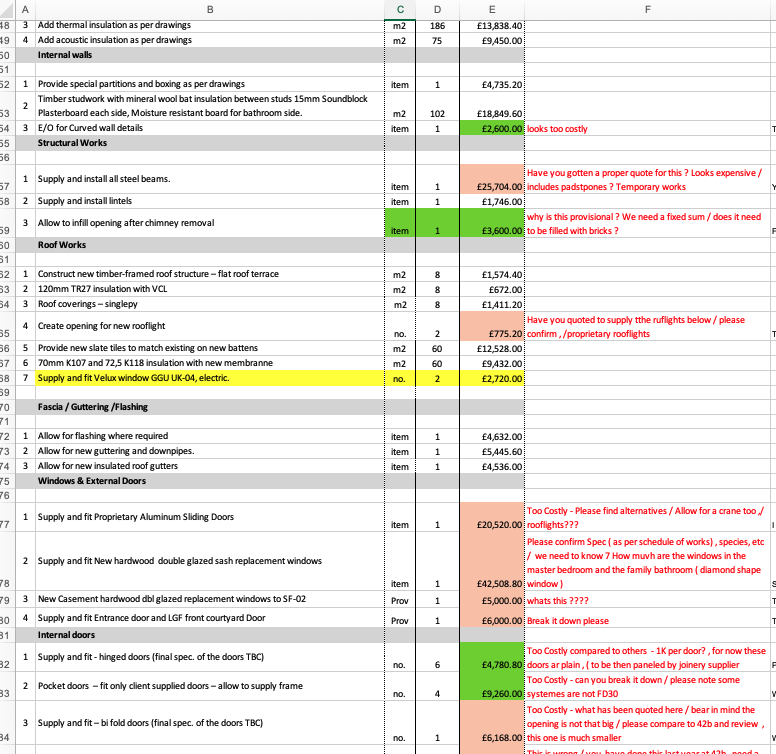
We do not only compare headline figures. We look carefully at how each contractor has priced the scheme, what may have been omitted, where assumptions may have been made, and whether the contractor is genuinely the right fit for the nature, complexity and expected quality of the project.
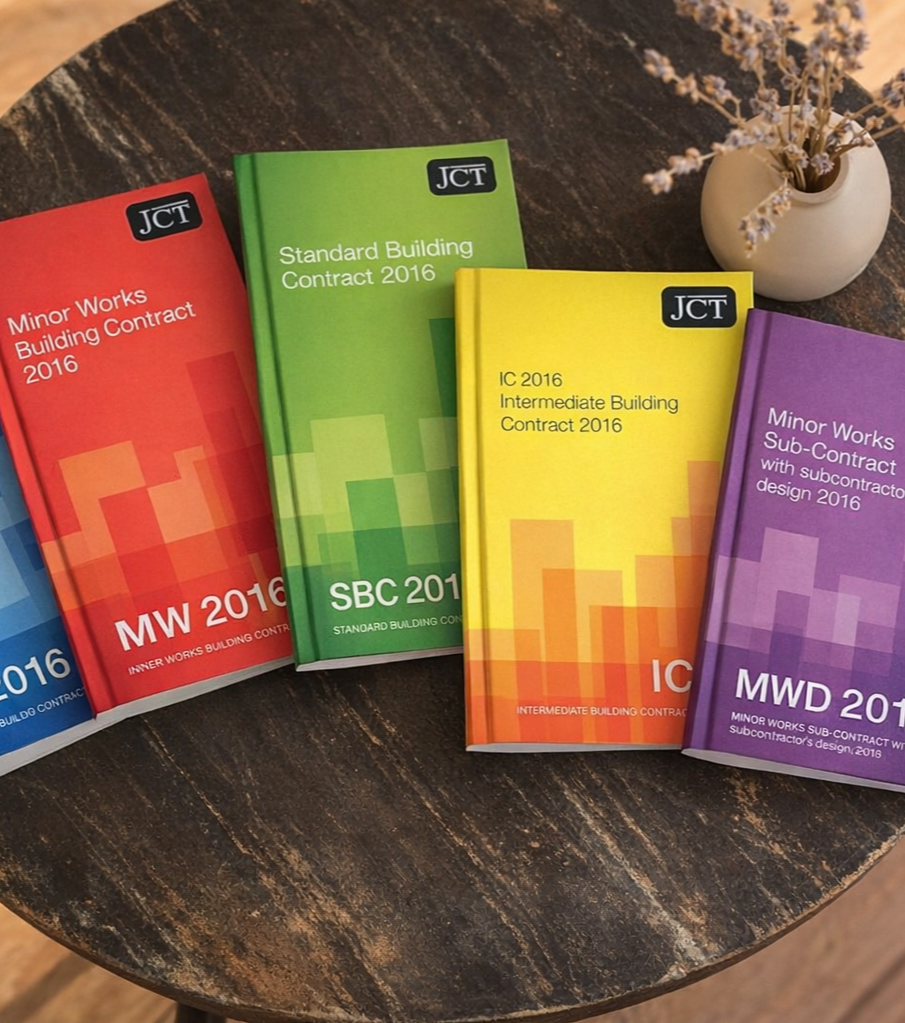
We also advise on procurement structure. Some projects may involve a main contractor together with selected specialist subcontractors or separately procured packages, such as bespoke joinery, glazing or landscape works. We can help coordinate that process and assess how these packages fit into the wider construction strategy.
The aim is to put together the right team on the right contractual footing.
Value:
More informed contractor selection, reduced commercial risk, and a much stronger contractual basis for construction -with clearer scope, clearer pricing, agreed methodology, payment structure, timings, retentions and guarantees all forming part of a more secure route.
-
Carrying the project through construction with control
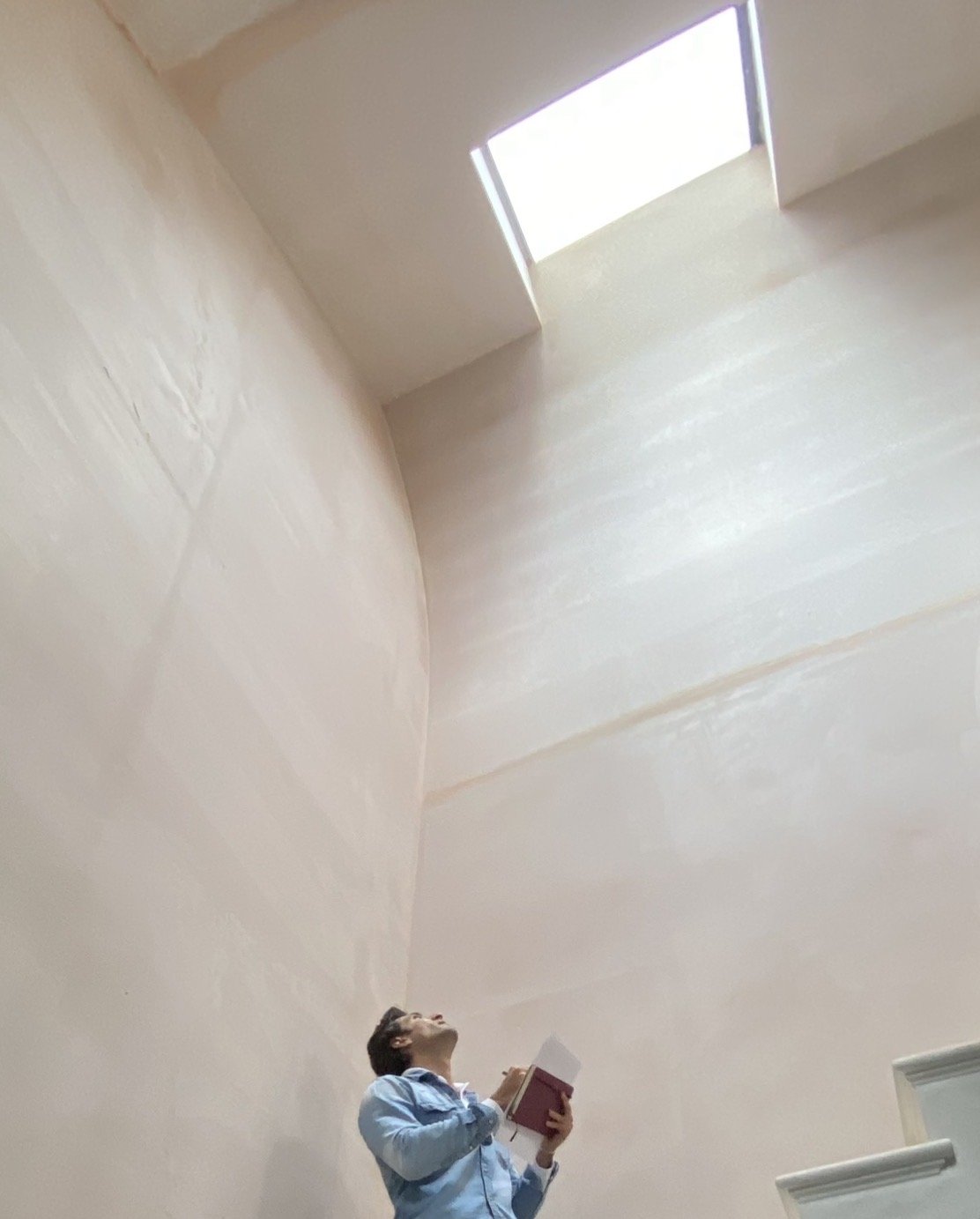
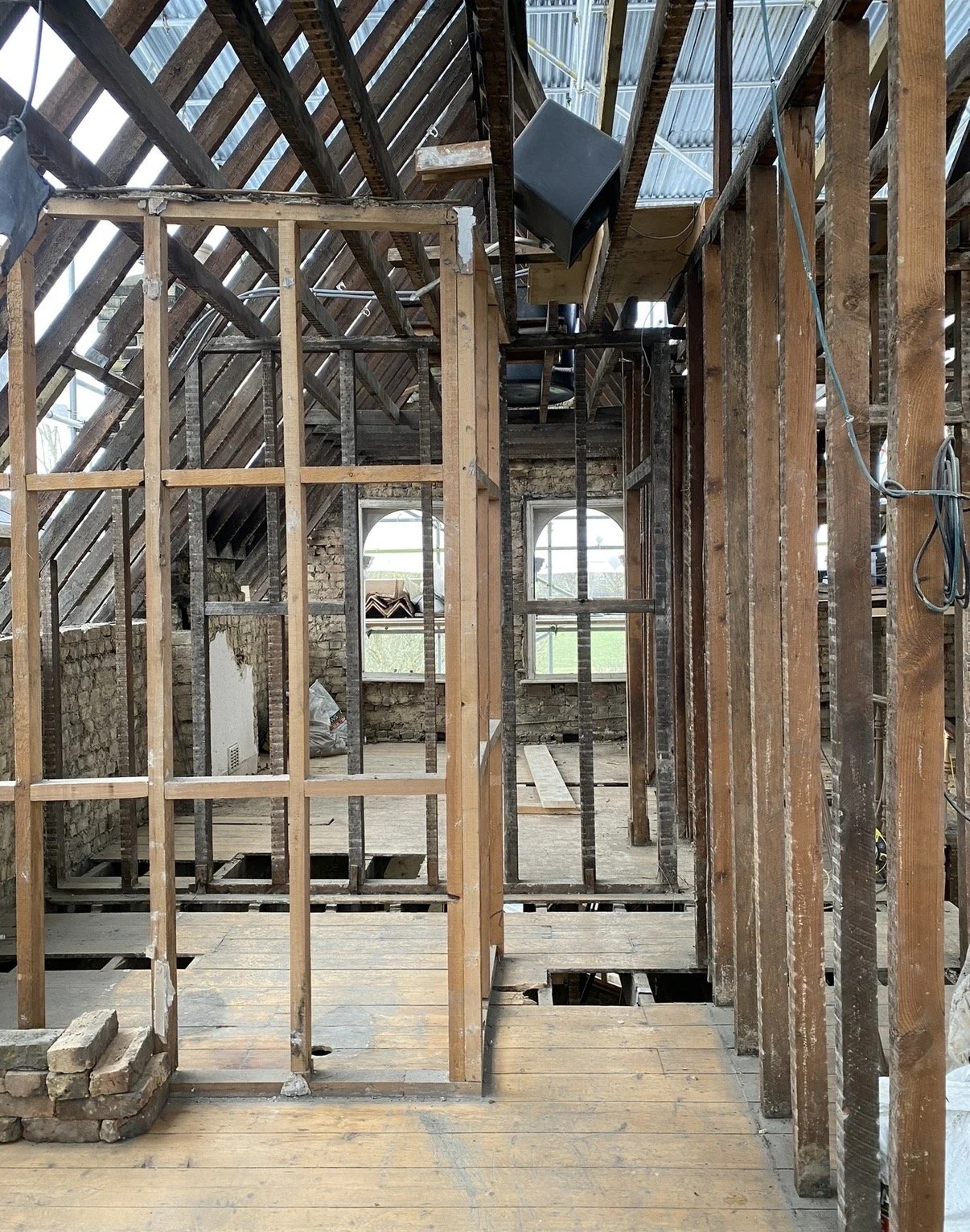
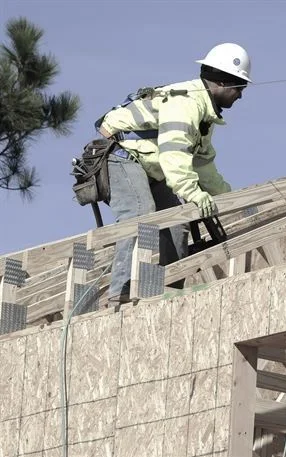
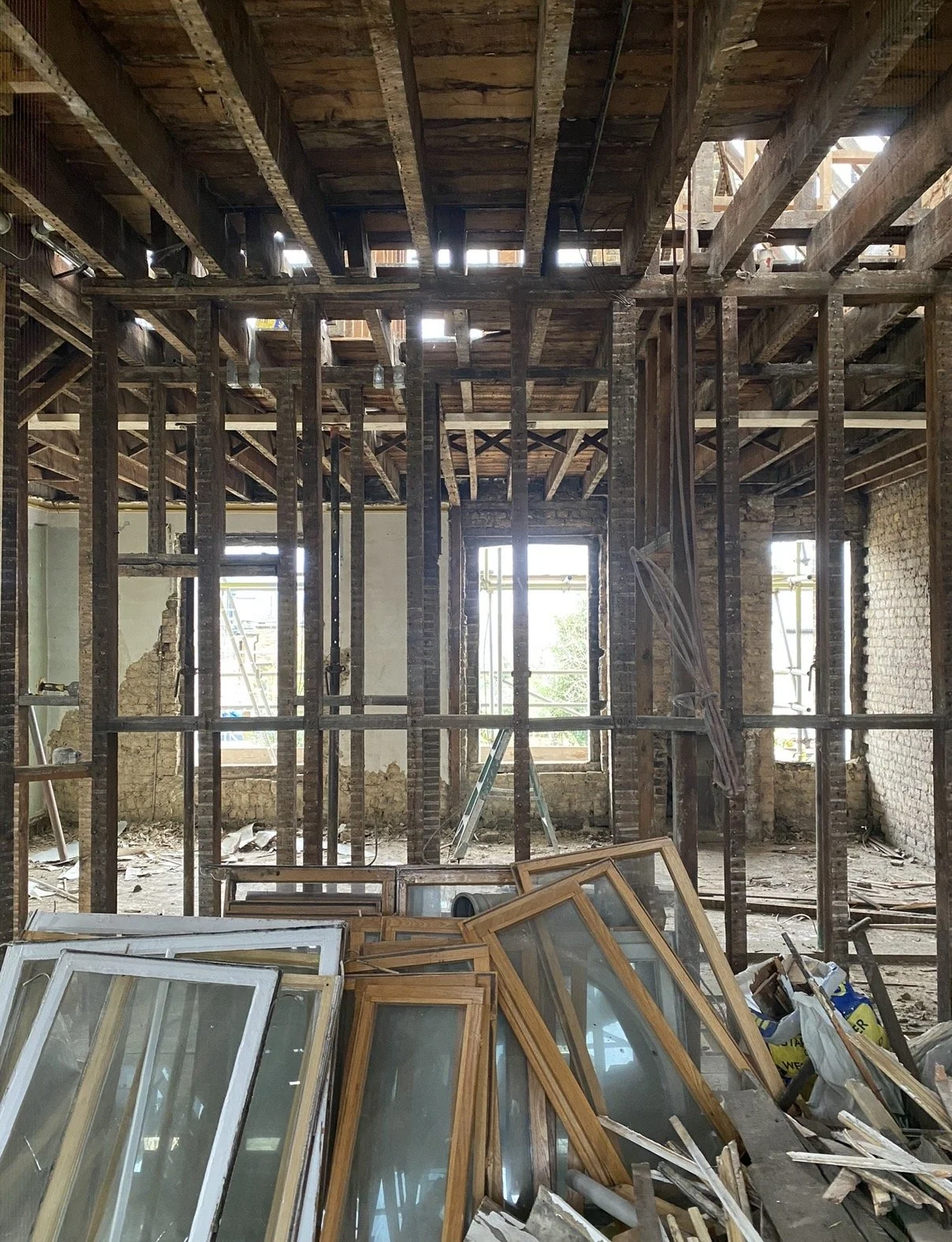
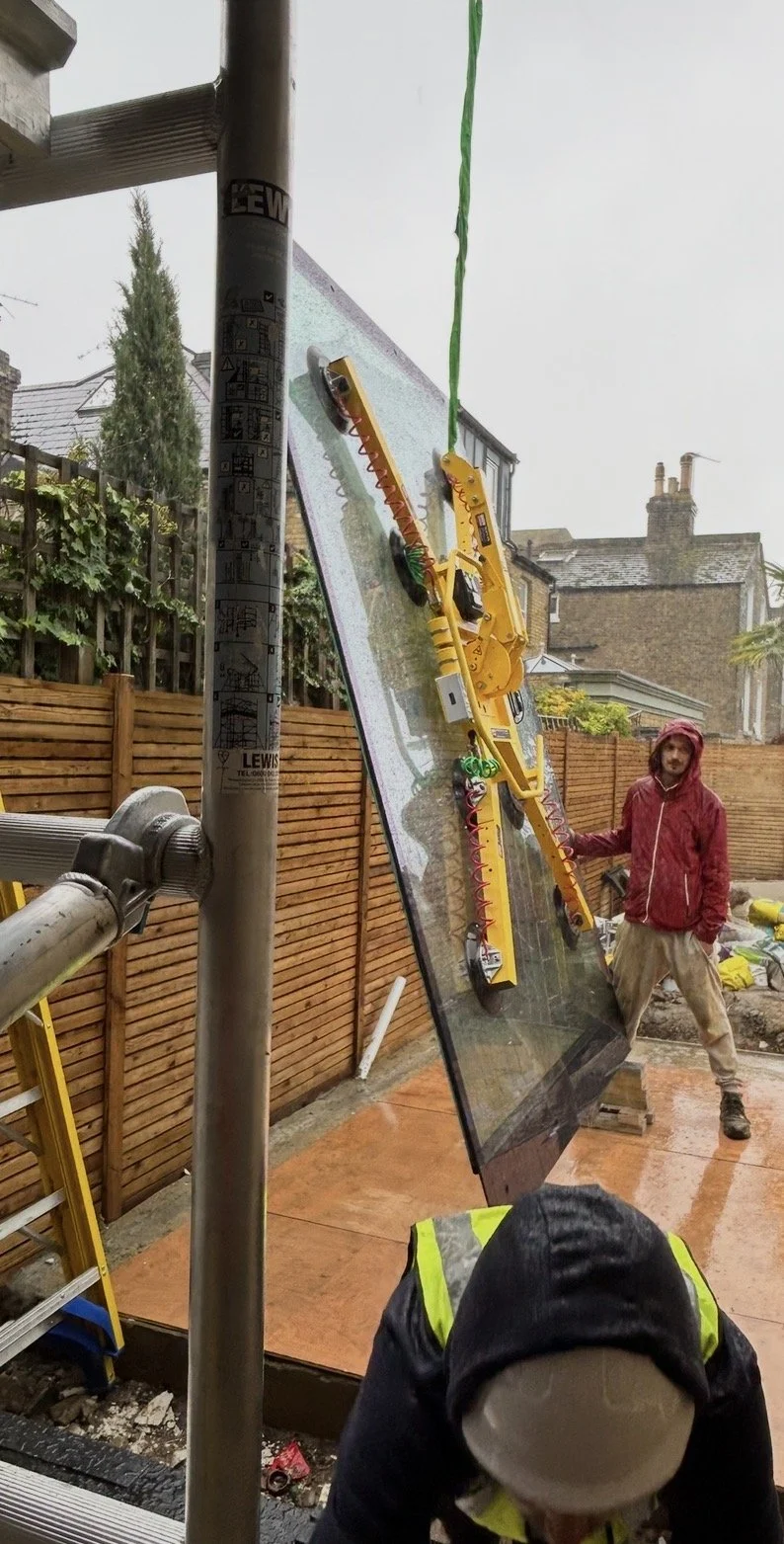
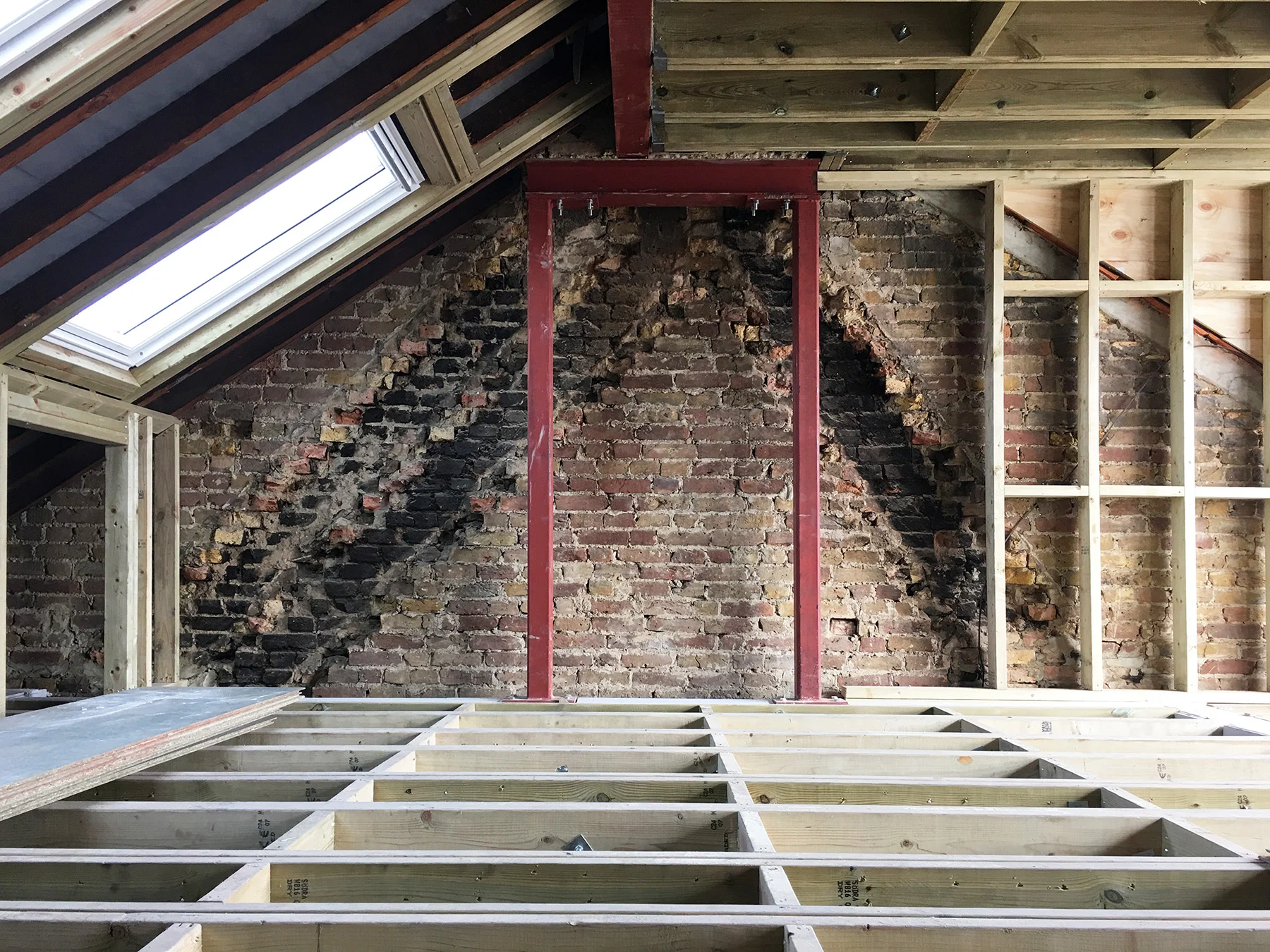
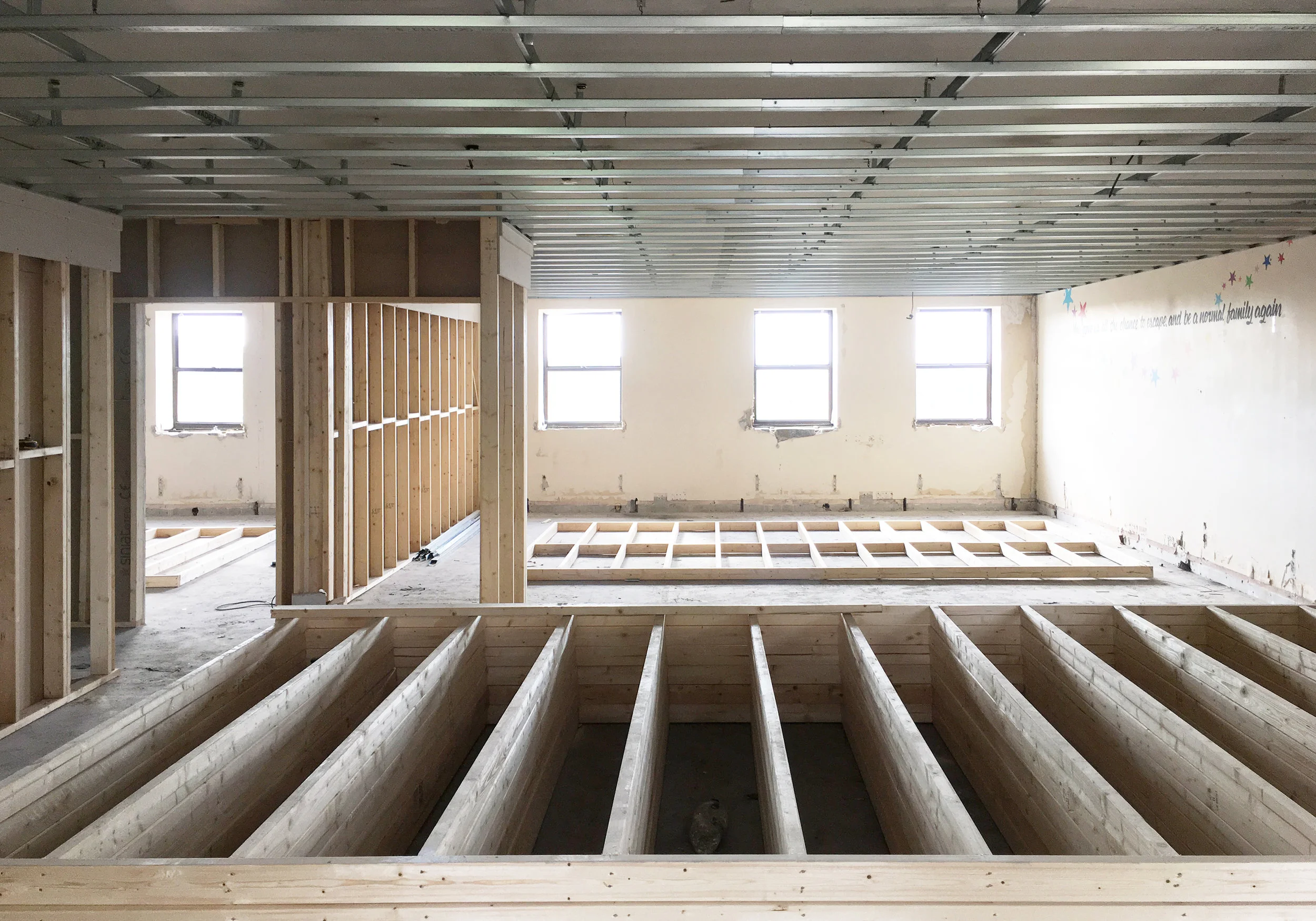
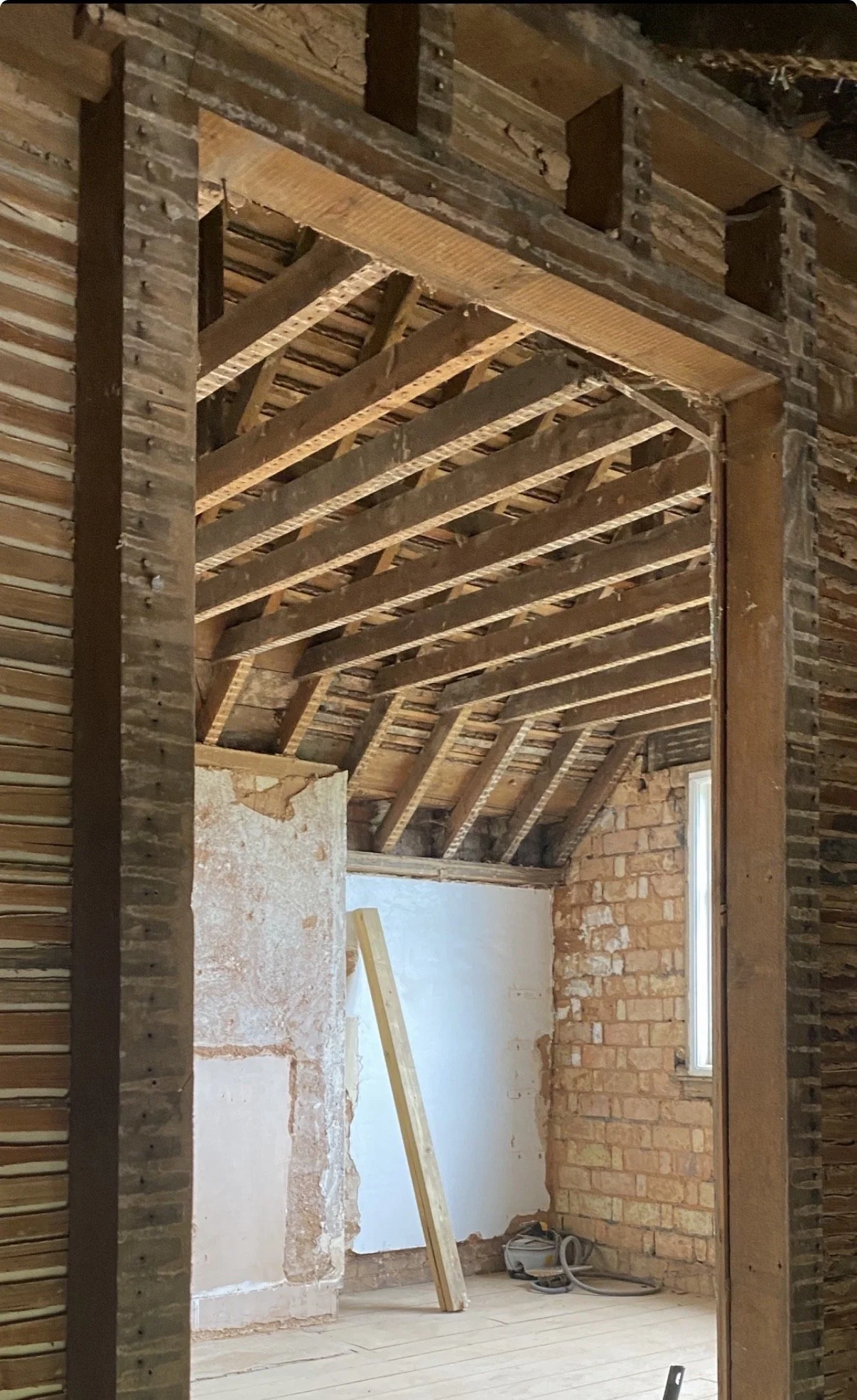
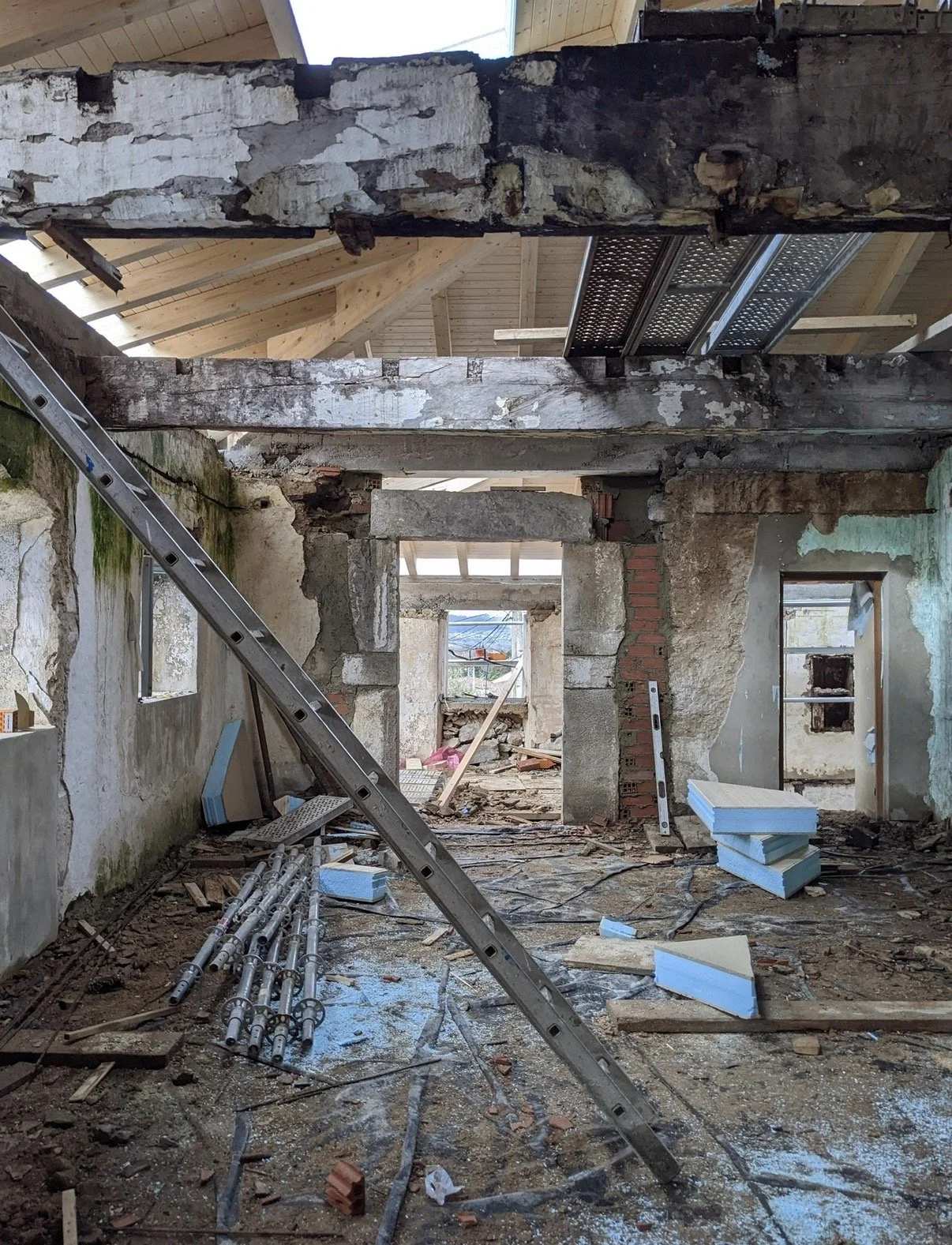
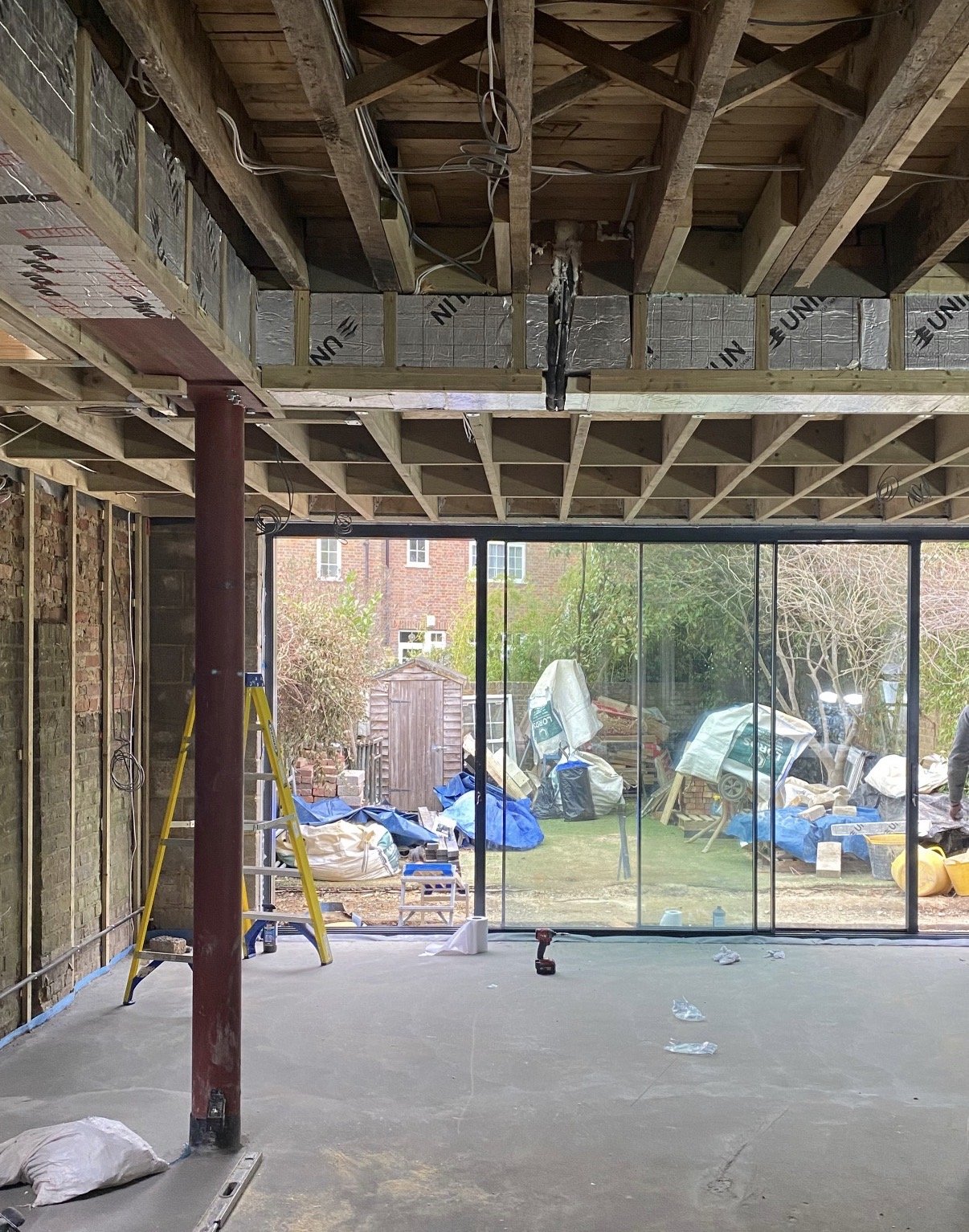
Once works begin, our role shifts into ongoing oversight, coordination and contract administration. This stage is essential in making sure that the design is interpreted correctly, the right decisions continue to be made on site, and the build remains aligned with the agreed drawings, designs, specifications, suppliers and contract terms.
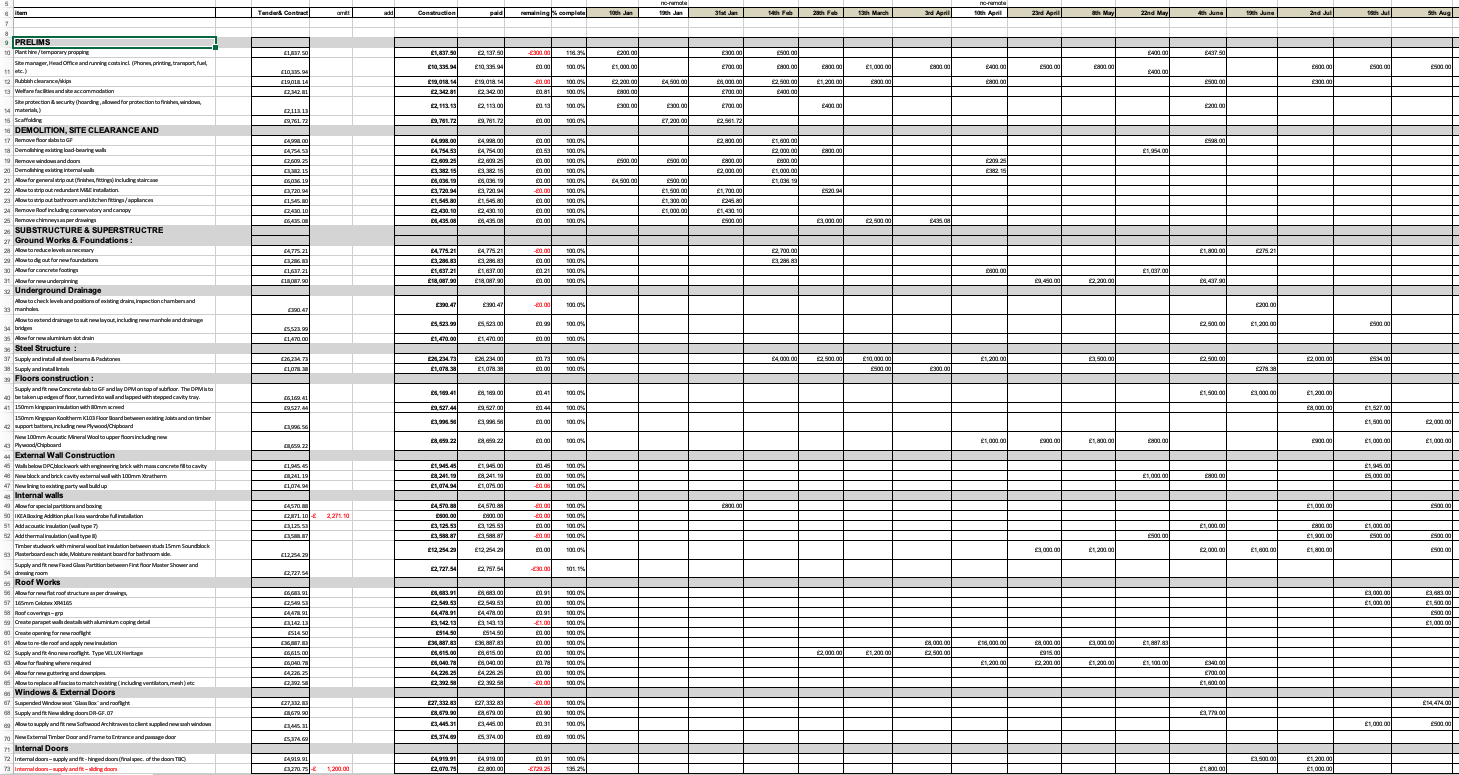
Our involvement includes regular site meetings, review of progress, valuations, coordination and validation of value payments, deposits, retentions and guarantees, responses to contractor queries, coordination with consultants and suppliers, review of contractor submissions, assessment of variations, certification under the building contract, and general administration of the construction process on behalf of the client.
Many live issues need to be managed in real time. Unexpected conditions, design clarifications, sequencing matters, supplier coordination and workmanship queries often arise during construction, even on well-prepared projects.
This stage may also include our duties as Principal Designer under the CDM Regulations, ensuring that health and safety responsibilities are addressed appropriately pre-construction and as the project progresses.
This stage is not just about monitoring a build. It is about maintaining quality, protecting the project commercially and technically, and making sure that the work on site remains faithful to the thinking developed during design.
Value:
Ongoing professional oversight, active management of risks and unforeseen issues, better control during construction, and stronger protection of both design quality and the contractual process.
-
Concluding the project properly
As the works near completion, we assist with the close-out process, including inspection of the works, identification of outstanding items, coordination around Practical Completion where applicable, and the administration of the final stages of the building contract. We also support the process of obtaining the relevant certificates and documentation, such as Building Control completion, consultant sign-off where required, contractor warranties or guarantees, and final handover information.
Where relevant, this stage may also involve administration linked to release of retention or deposits in accordance with the contract, review of defects outstanding at completion, snagging management, and coordination towards the final account and formal close-out of the works.
Value:
Better close-out of contractual and technical matters, careful management of snagging and the guarantee period, and greater confidence that the project has been completed properly rather than simply left at the finish line.